
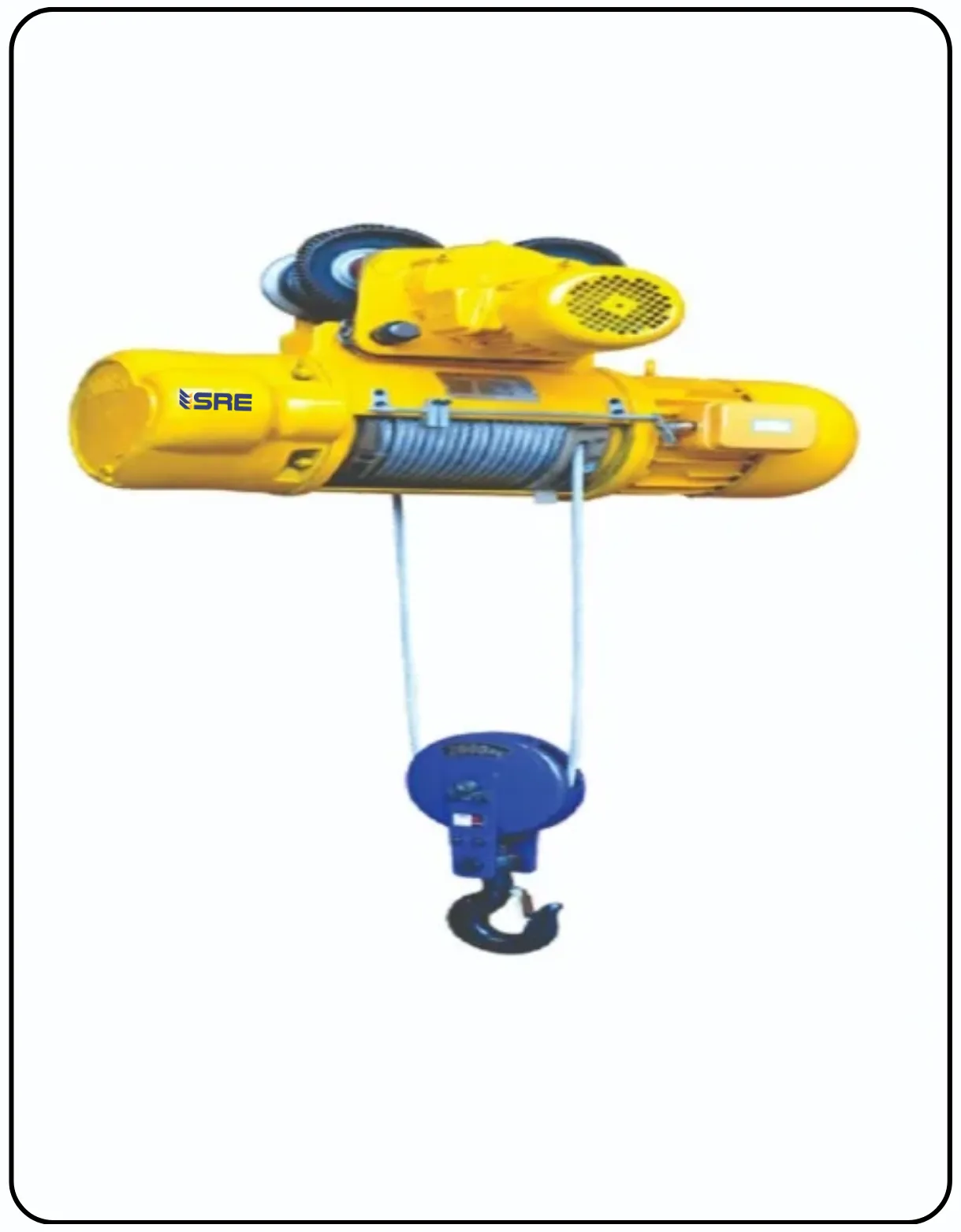
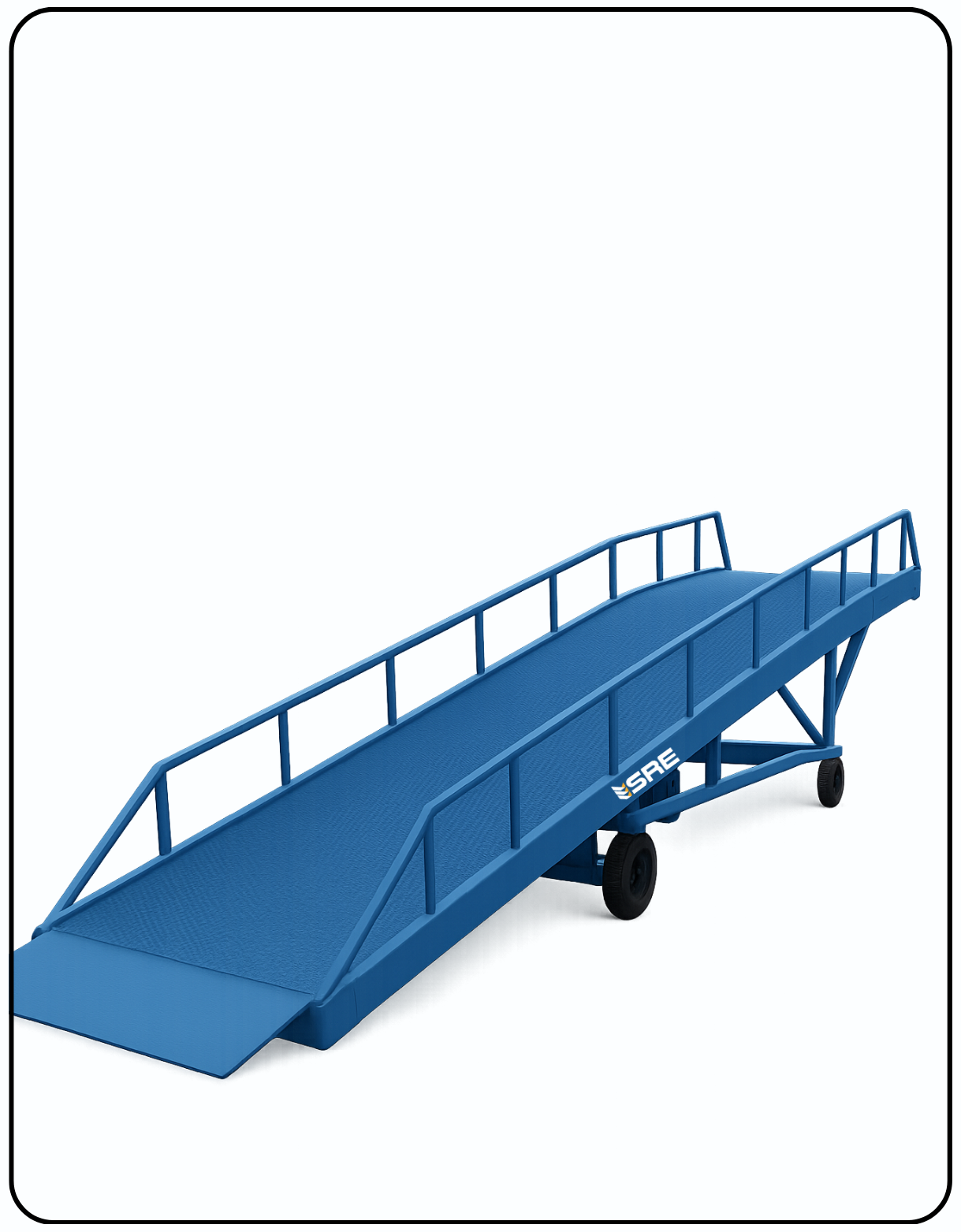
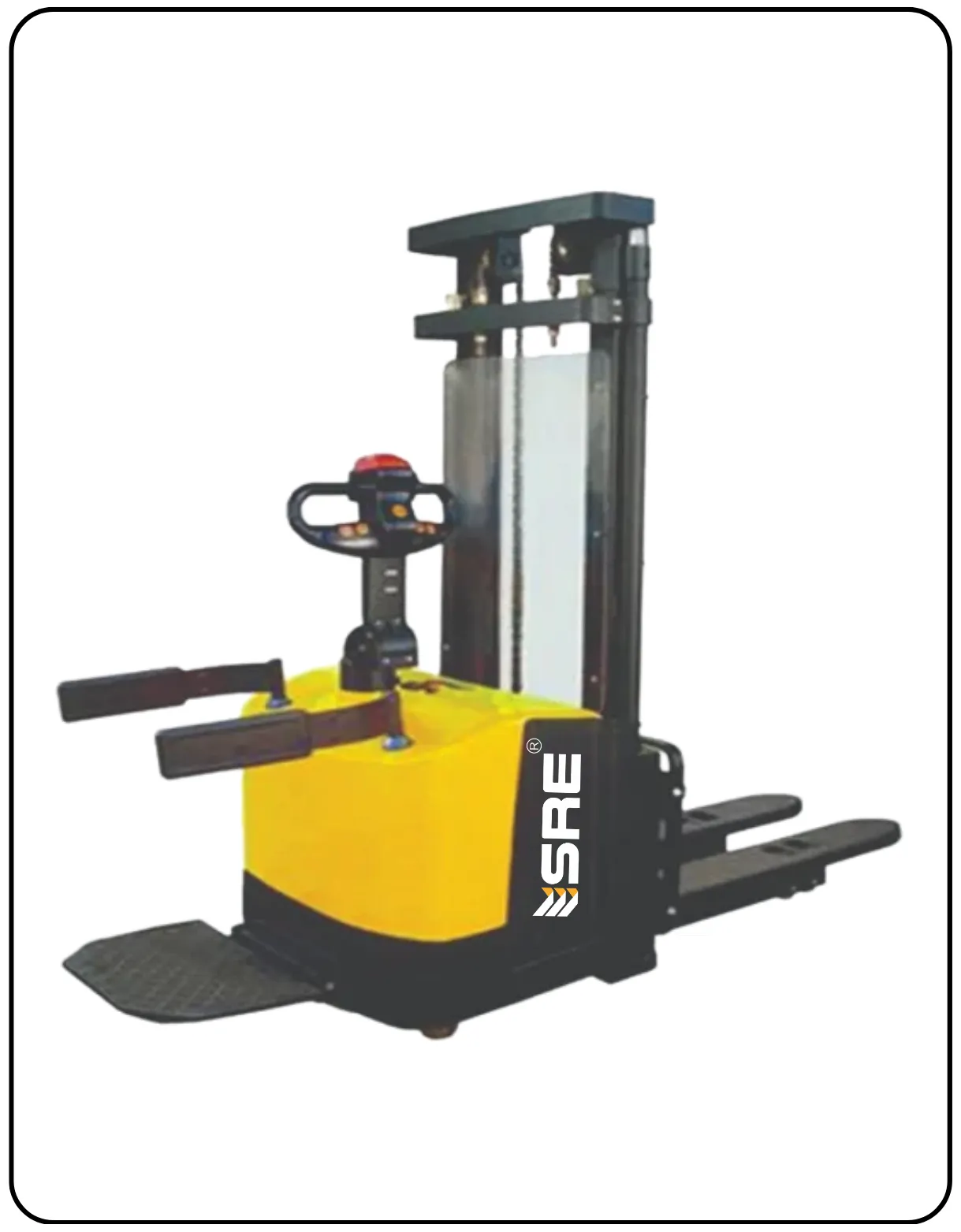
SRE Material Handling Equipment Pvt. Ltd.: Manufacturer, Supplier And Exporter Of Wire Rope Hoist in Gujarat.
SRE Material Handling Equipment Pvt. Ltd., Manufacturer And Supplier Of Wire Rope Hoist in Vadodara.
Our Manufacturing Unit is in Ahmedabad, Vadodara, and Rajkot, Gujarat, India.
Wire Rope Hoist in Vadodara: A Practical Guide for Industrial Leaders
In today’s fast‑paced industrial landscape, the demands on warehouses and factories are nothing like they used to be. Rising customer expectations, tighter delivery timelines, and higher throughput targets have put pressure on every link in the supply chain. In daily warehouse operations, managers are tasked with moving bigger volumes faster, with minimal downtime and fewer injuries. At the heart of this evolution, material handling solutions must not only deliver load capacity but also reliability, safety, and operational efficiency.
For many industrial decision‑makers in Vadodara, a Wire Rope Hoist has become a practical answer to these challenges — not because it’s a trendy tool, but because it delivers tangible improvements in everyday workflows. In this blog, we’ll break down why this equipment matters, how it fits into real‑world operations, and what to consider when integrating it into your facility.
The Changing Needs of Modern Warehouses and Industries
Modern warehouses no longer function as static storage spaces. They are dynamic hubs where speed, accuracy, and agility determine competitiveness. Over the past decade, we’ve witnessed several key shifts:
- Volume Growth: With e‑commerce and just‑in‑time manufacturing models, warehouses are handling more SKUs and freight tonnage than ever before.
- Speed Pressure: Faster turnaround times have become standard expectations from customers and business partners alike.
- Safety & Quality Standards: Compliance with safety norms and industry certifications isn’t optional — it is central to sustainable operations.
- Labor Constraints: Skilled labor is increasingly hard to recruit and retain, making ergonomics and operator support critical.
In daily logistics workflows, these pressures translate into longer shifts, frequent material moves, and greater reliance on mechanized assistance. Inefficient or manual lifting not only slows throughput but also increases the risk of workplace injuries.
This is where a Wire Rope Hoist, a proven industrial lifting solution, becomes relevant. It isn’t just a machine; it’s a tool that supports operational resilience.
What Is a Wire Rope Hoist?
A Wire Rope Hoist is an industrial lifting device designed to raise, lower, and move heavy loads with precision and control. Unlike manual pulleys or simple chain blocks, it uses a steel wire rope wound around a drum, driven by an electric motor or mechanical system.
In practical industry terms, think of it as a robust, controlled way to lift heavy components repeatedly without physical strain on the operator. It’s not a complex robotic system it’s a purpose‑built workhorse that bridges raw power with predictable performance.
In workshop environments, maintenance yards, and production lines, wire rope hoists are commonly found mounted on overhead beams or gantries. They support material transfer between stations, loading/unloading of trucks, and assembly tasks requiring positional accuracy.
Why Wire Rope Hoist Is Replacing Traditional or Manual Equipment
For decades, manual lifting tools like chain blocks, lever hoists, and improvised rigging served basic needs. But in daily industrial use, their limitations become clear:
- Fatigue and Injury Risk: Manual handling takes a physical toll, especially over long shifts.
- Inconsistent Output: Performance depends on the operator’s strength and technique.
- Limited Capacity: Traditional methods struggle with very heavy or awkward loads.
- Speed Constraints: Manual lift and positioning take significantly more time.
In contrast, a Wire Rope Hoist delivers:
- Consistent Performance: A mechanically driven system doesn’t fatigue, ensuring repeatable cycles across shifts.
- Steady Control: Operators can lift and lower loads with precision, reducing material damage and rework.
- Reduced Physical Strain: The machine takes on the lifting effort, allowing personnel to focus on coordination and safety.
In my own experience working with production teams, shifting from manual hoists to wire rope systems reduced reporting of musculoskeletal issues and improved team morale because operators felt supported by their tools, not battling them.
Productivity Gains in Daily Operations
Integrating a Wire Rope Hoist into your operations can yield measurable productivity gains, not as a claim, but as observed results.
In a typical warehouse cycle, materials go through stages like receiving, storage, picking, staging, and dispatch. Each stage involves lifting, lowering, and relocating goods. With manual tools, these micro‑tasks add up:
- More Touches: Workers frequently stop to reposition or rest.
- Variable Cycle Times: Lift speed and accuracy differ by operator.
- Delays in Peak Periods: Without powered assistance, throughput plateaus.
With a wire rope hoist:
- Faster Lift Cycles: Powered hoists move loads at consistent speeds, trimming cycle time.
- Smooth Load Handling: Operators can position loads precisely, improving pick accuracy and reducing rework.
- Shift Consistency: Whether it’s day 1 or day 100 of a campaign, output rates remain stable.
In operations I’ve overseen, teams reported up to 25% faster material transition times once wire rope hoists were deployed on key handling routes. Those gains matter when annual throughput targets are tight.
Improved Workplace Safety
Safety isn’t a buzzword; it’s a daily concern. In many industrial incidents, manual handling and unbalanced loads are frequent contributors to injuries. A Wire Rope Hoist enhances workplace safety in several practical ways:
- Controlled Movement: Modern hoists provide smooth start/stop actions, minimizing load swing that can harm people or damage stock.
- Ergonomic Handling: Operators engage with a control pendant — no strained lifting or awkward postures.
- Clear Load Indicators: Many systems include load monitoring that helps prevent overloading, a common source of rigging failures.
For safety managers, this level of predictability supports compliance with standards like ISO 45001 and local safety regulations. Fewer incidents also mean lower insurance claims and less disruption to operations.
Handling Heavier Loads with Ease
Today’s warehouses and factories deal with heavier, bulkier items from metal coils to machinery parts. Traditional tools often fall short in terms of both capacity and reliability.
Key advantages of wire rope hoists for heavier loads include:
- High Load Ratings: Capable of handling several tons, depending on model and configuration.
- Stability Under Load: Steel wire rope resists flex and stretch more effectively than chain in heavy applications.
- Smooth Load Transit: Reduced jerkiness makes positioning large loads safer and more efficient.
Operationally, this means you can schedule more predictable lift cycles, minimize staging delays, and optimize layout around heavier SKUs without fear of bottlenecks.
Technology and Operational Efficiency
While the core mechanics of a Wire Rope Hoist are straightforward, modern systems incorporate features that materially improve uptime and reliability:
- Efficient Drive Systems: Electric or geared drive units reduce power draw and heat generation.
- Built‑In Safeties: Limit switches, emergency stops, and brake systems add layers of protection.
- Low Maintenance Design: Easily accessible lubrication points and modular components reduce technician time.
From a reliability standpoint, these incremental efficiencies help keep your operations running. In environments where every minute of downtime costs money, predictable performance isn’t optional — it’s foundational.
Space Optimization and Maneuverability
Warehouse space is expensive. Every square foot must contribute to throughput and flow. A Wire Rope Hoist supports space‑efficient design in two main ways:
- Overhead Utilization: Mounted hoists free up floor space for racks, conveyors, and staging lanes.
- Narrow‑Aisle Compatibility: With the right configuration, hoists can serve compact systems without adding obstruction.
In daily workflows, this translates into quicker paths between operations and reduced congestion — two factors that directly influence cycle times and worker satisfaction.
Cost Efficiency Over Time
It’s tempting to evaluate material handling tools solely on upfront price, but industrial decision‑makers know better: lifetime cost matters more than purchase cost.
Here’s where a Wire Rope Hoist delivers value:
- Lower Injury Costs: Reducing manual strain cuts workers’ compensation claims and absence days.
- Higher Throughput: Time saved in daily handling adds up to meaningful capacity gains over months.
- Predictable Maintenance: Hoist systems are easier to service, with common parts and standardized procedures.
- Long Lifespan: Steel wire ropes, quality drums, and robust motors endure heavy cycles when maintained correctly.
Viewed over a typical 7–10 year lifecycle, these factors often make wire rope hoists more cost‑effective than repeated upgrades or frequent repairs to manual equipment.
Sustainability and Compliance
Sustainability isn’t just about emissions — it’s about efficient use of energy, materials, and human effort. Wire Rope Hoists contribute to a cleaner, more compliant operation:
- Energy‑Efficient Drives: Modern electric systems consume less power per lift cycle.
- Reduced Waste: Controlled lifts mean fewer dropped loads and less material damage.
- Regulatory Alignment: Many hoists are designed with compliance in mind, supporting audits and safety certifications.
For operations with ESG goals or strict quality frameworks, this alignment strengthens both internal performance and external credibility.
Integration with Warehouse and Factory Workflow
Introducing a Wire Rope Hoist isn’t an isolated change — it impacts workflows, layout, and task scheduling. A structured integration approach includes:
- Workflow Mapping: Identify high‑frequency lift points where hoists will yield the greatest gains.
- Layout Review: Ensure overhead structures, power feeds, and clearances support installation.
- Operator Input: Involve teams early to align tool placement with daily routines.
- Performance Monitoring: Establish KPIs like lift cycle time and downtime to track improvements.
By embedding the hoist into your operational planning, you ensure it enhances — not disrupts — your process flow.
Training, Ease of Use, and Maintenance
One of the most common concerns we hear is: Will this be hard to operate or maintain?
In practice, a Wire Rope Hoist is straightforward:
- Basic Operator Training: Most teams become competent within a few hours with hands‑on practice.
- Intuitive Control: Pendant or remote controls reduce complexity.
- Routine Maintenance: Simple daily checks and scheduled servicing keep the system running reliably.
From my experience supervising industrial installations, sites that establish clear maintenance routines at the start see fewer unexpected issues over time.
Why Choosing a Reliable Manufacturer Matters
Selecting the right supplier isn’t just about the equipment spec — it’s about support, experience, and accountability. Quality manufacturers understand:
- Application‑Specific Needs: Not all warehouses are the same. Hoist requirements vary by lift height, cadence, and load profile.
- Service Readiness: Timely support prevents small issues from becoming operational roadblocks.
- Compliance Knowledge: Trusted partners help you align equipment with safety standards and audits.
When evaluating options, prioritize suppliers with a track record of industrial installations, accessible after‑sales support, and a commitment to long‑term partnership.
For industrial decision‑makers in and around Vadodara, SRE MATERIAL HANDLING EQUIPMENT PRIVATE LIMITED is a name worth exploring. With practical expertise and industry‑aligned solutions, they can help you assess the right Wire Rope Hoist configuration for your facility. Visit https://www.sremhepvtltd.com/ for more insights and product guidance.
Conclusion
In daily warehouse and industrial operations, the shift toward powered material handling is no longer a luxury; it’s a necessity. A Wire Rope Hoist addresses the core challenges of modern logistics: speed, safety, consistency, and cost efficiency. By reducing physical strain, improving throughput, and supporting tighter workflows, it helps industrial teams focus on what truly matters: delivering quality outcomes with reliability.
If your facility is reviewing material handling upgrades this year, evaluating wire rope hoists should be a priority. Consider real operational demands, involve your team in planning, and choose partners who understand industrial realities.
Take the next step: Explore how a Wire Rope Hoist can fit into your workflow with thoughtful planning and professional support.
Key Takeaways
- Productivity: Powered lifts speed up material transitions and stabilize output.
- Safety: Controlled movement reduces injury risk and supports compliance.
- Load Handling: Heavy and awkward loads become manageable without strain.
- Cost Efficiency: Long‑term savings outweigh initial investment.
- Industry Trend: Modern warehouses increasingly adopt mechanized handling to meet competitive demands.
Trending F&Q
Q: What load capacities are typical for wire rope hoists?
A: Wire rope hoists range widely in capacity, commonly from 1 ton up to 50+ tons depending on configuration. Choose based on your highest anticipated load.
Q: Are wire rope hoists suitable for narrow‑aisle warehouses?
A: Yes, when integrated with appropriate overhead structures, wire rope hoists reduce floor clutter and support compact layouts.
Q: How often should a hoist be maintained?
A: Routine daily checks plus scheduled quarterly or semi‑annual servicing help maintain performance and safety.
For expert guidance on selecting the right Wire Rope Hoist for your warehouse or factory. Call +91 75728 19958 or email sremhepvtltd2025@gmail.com