
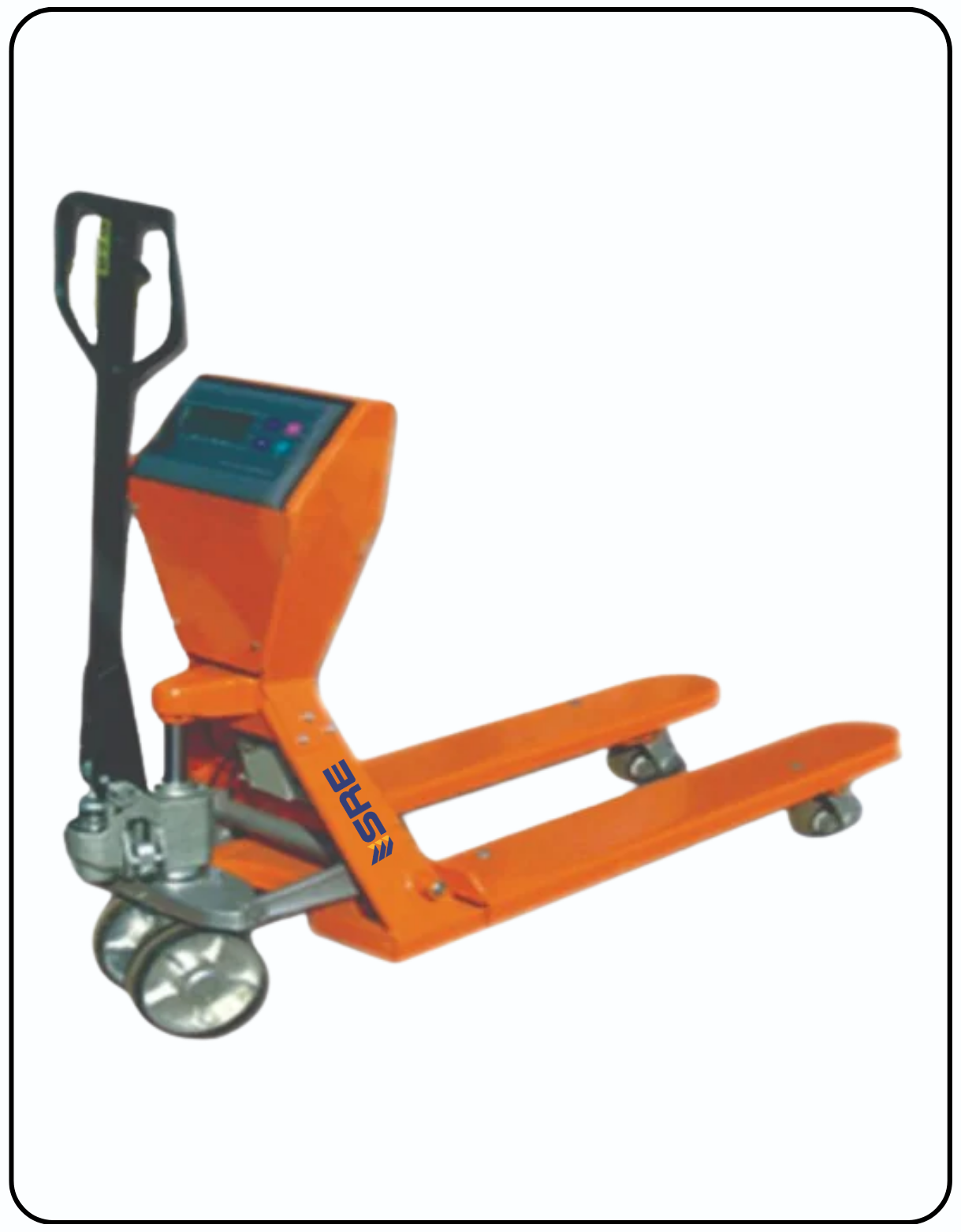
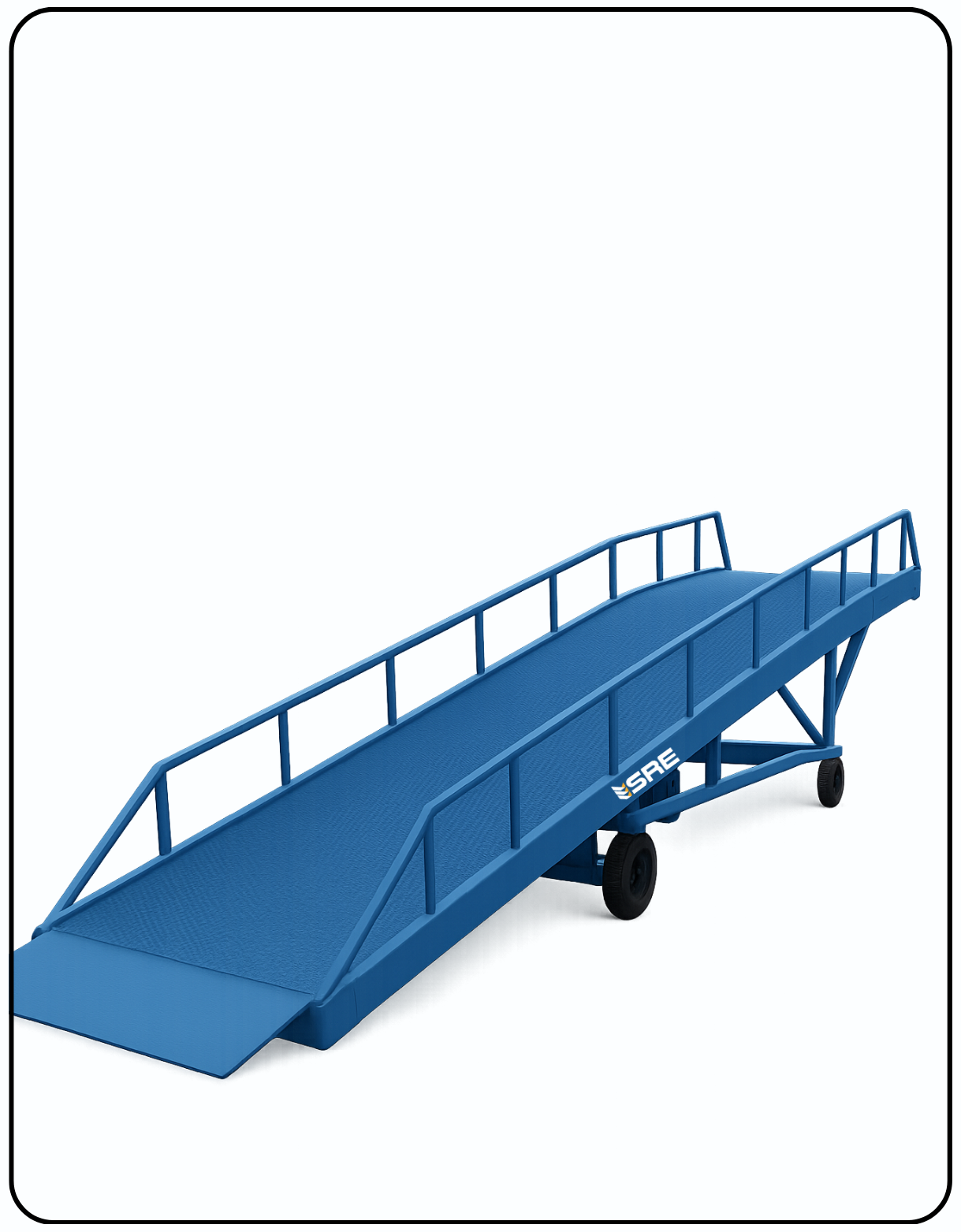
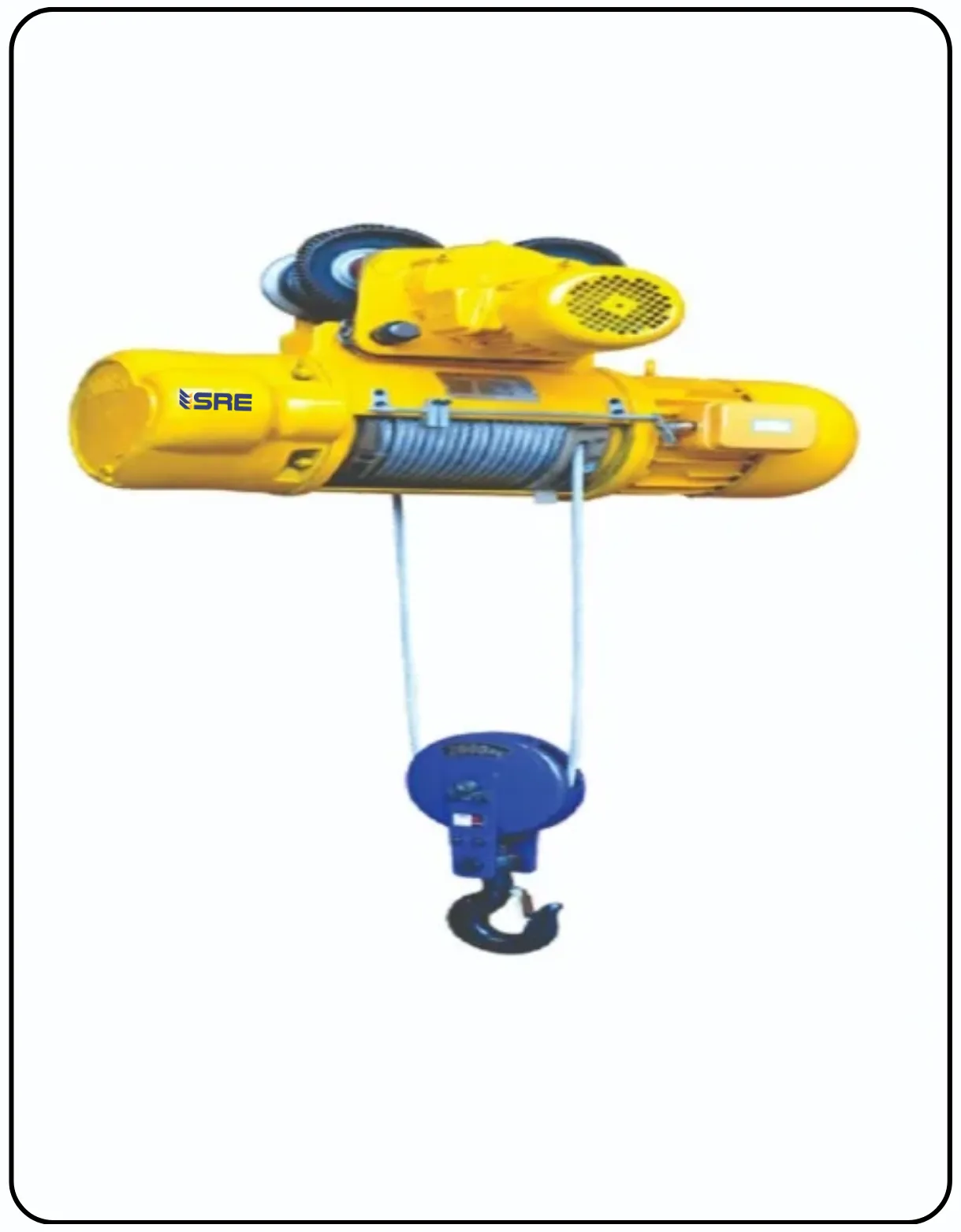
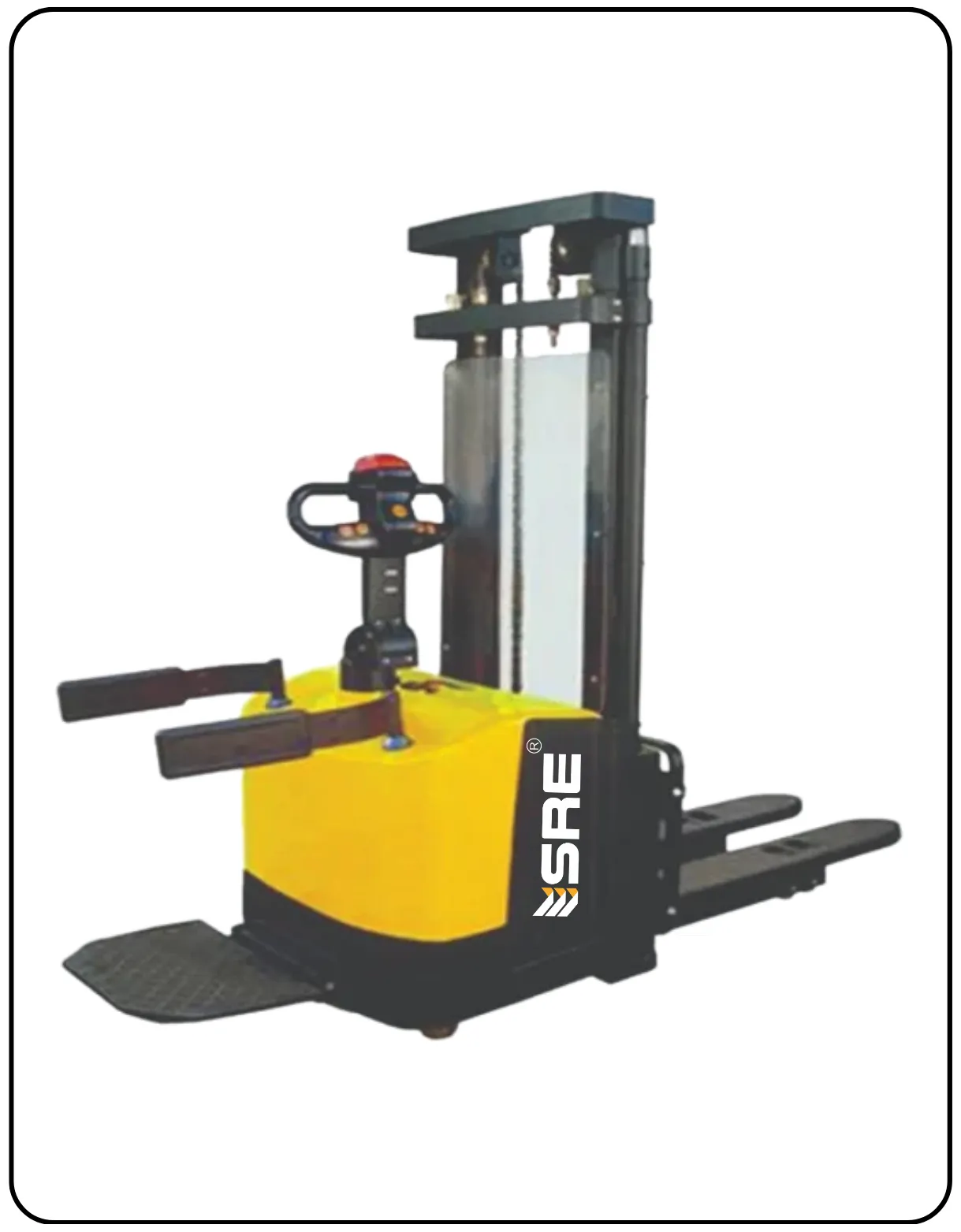
SRE Material Handling Equipment Pvt. Ltd.: Manufacturer, Supplier, And Exporter Of Weight Scale Pallet Truck in India.
SRE Material Handling Equipment Pvt. Ltd., Manufacturer And Supplier Of Weight Scale Pallet Truck in Rajkot.
Our Manufacturing Unit is in Ahmedabad, Vadodara, and Rajkot, Gujarat, India.
Weight Scale Pallet Truck in Rajkot: A Functional Overview for Business and Logistics Managers
The past decade has seen significant shifts in industrial and warehouse activities. Growing customer demands, stricter delivery schedules, and higher output requirements have redefined operational efficiency. The focus has shifted from simple goods relocation to balancing speed, safety, precision, and expense.
Decisions regarding material-handling equipment are strategic, not just tactical, in daily warehouse logistics—the right equipment affects output, workforce costs, stock accuracy, and safety outcomes.
One device consistently proving its worth in this environment is the Pallet Truck with an integrated Scale. For logistics teams in Rajkot’s industrial sectors, it’s becoming a sensible answer to physical challenges, merging cargo transport with precise weight capture.
This piece examines why a Scale Pallet Truck is becoming standard equipment on contemporary storage and industrial sites, not as an extravagance but as a fix for common operational hurdles.
Evolving Requirements in Modern Storage and Industrial Zones
Across sectors like production, distribution, cold storage, and automotive, operational pressures are mounting:
- Increasing Volume: E-commerce, JIT inventory, and global supply chains necessitate more inbound and outbound pallet movements.
- Quicker Turnaround: Same-day and next-day fulfillment expectations compress process timelines.
- Staffing Realities: Finding and keeping skilled staff is tougher, and worker fatigue impacts consistency and safety.
In Rajkot’s production hubs, for instance, workflows often involve tight timetables, frequent batch transfers to production lines, and shifts between receiving, stocking, and shipping. Moving pallets manually using basic jacks or forklifts can introduce variations and delays, particularly when exact weight data is needed for invoicing, stock tallying, or logistics planning.
In day-to-day work, repositioning pallets, logging weights, and sorting out variances used to involve several steps: using a forklift to move, a floor scale to weigh, and data entry to record. This disjointed process extends cycle time and opens the door for mistakes.
This is where a Scale Pallet Truck moves beyond being a mere apparatus; it becomes a practical enabler of smoother operations.
What Defines a Weight Scale Pallet Truck?
A Weight Scale Pallet Truck is a handling tool that combines pallet transport with built-in measurement capability. In simpler operational terms:
- It functions like a powered or manual pallet jack for relocating palletized cargo.
- It features an embedded weight sensor system that records the load’s mass during transit or when idle.
- It lets operators get weight readouts without needing a separate floor balance or weighbridge.
This merges movement and measurement, minimizing the handling required for routine tasks such as inbound goods verification, quality checks, dispatch, or production preparation.
In storage environments where weight accuracy is vital for freight billing, inventory records, and adherence to declared shipment weights, capturing precise mass data at the point of motion saves effort and reduces errors.
It should be noted that this gear does not substitute for certified scales that require legal-for-trade accuracy, but it offers substantial value for internal process refinement.
Why Scale Pallet Trucks Are Superseding Older Gear
Historically, pallet moves and weighing were discrete tasks:
- Forklifts or manual jacks relocated pallets.
- Pallets were taken to a fixed floor scale or weighbridge.
- Weight data was logged manually or via a secondary system.
This sequence introduces inefficiency and strain:
- More movements increase the time taken.
- Operators must handle loads twice.
- Manual weight logging brings transcription errors.
- Forklift use for short hauls boosts fuel use and aisle obstruction.
Conversely, the Scale Pallet Truck combines transport and weighing:
- Cuts down handling steps to one person, one action.
- Boosts consistency across the same platform and measurement context.
- Reduces operator fatigue, less walking, and readjustment.
Minimizes bottlenecks, lighter gear navigates where larger forklifts are unsuitable.
For logistics personnel in Rajkot and beyond, this means tangible daily returns, especially in high-volume settings.
Productivity Boosts in Routine Tasks
In actual warehouse scenarios, productivity is measured by pallets per hour, orders per shift, and error rates per batch.
A Scale Pallet Truck influences output in several ways:
- Reduced Handling Duration: Operators bypass extra trips to a weighing station. Transport and weight capture happen simultaneously. For sites managing hundreds of pallets daily, saving just two minutes per pallet means hours of labor saved weekly.
- Smoother Workflows: Instead of stacking pallets for weighing and then moving them to staging zones, teams complete sequential tasks with fewer halts. This improves throughput and shrinks internal fulfillment times.
- Uniform Output Across Shifts: When the process is simplified and standardized (move + weigh in one action), variations between veteran and newer operators become less pronounced. This uniformity is especially useful in sites with rotating shifts or temporary staff.
- Inventory Data Linkage: Many modern Scale Pallet Trucks can connect to WMS via handheld devices or wireless modules. Automatic recording of weight figures eliminates manual entry mistakes and feeds accurate data into inventory and analysis systems.
In practice, this results in fewer reconciliation mismatches and better oversight for planning and invoicing tasks.
Enhanced Workplace Safety
Safety involves preventing accidents, minimizing operational halts, and maintaining staff morale, beyond just paperwork compliance.
A Scale Pallet Truck aids workplace safety in several visible ways:
- Ergonomic Movement: Operators push or steer rather than lift, reducing strain on muscles and joints. Integrated weighing eliminates the need to reposition loads multiple times, reducing exposure to hazards.
- Controlled Motion: Since these trucks are generally lower and more navigable than forklifts, they reduce the risk of tipping or accidental contact with storage structures and infrastructure.
- Fewer Journeys: Minimizing the distance and frequency of pallet trips lowers cumulative fatigue across a shift, and is often an overlooked safety aspect. Tired operators are more prone to errors, which can lead to injury or damage.
Handling Heavier Items with Ease
Modern warehouses handle a wide array of pallet weights, from light packaged goods to heavy raw supplies.
Standard manual pallet jacks struggle with heavier loads, increasing operator exertion and command requirements. Forklifts handle heavy objects but are inefficient for short moves or frequent weight checks.
A Scale Pallet Truck provides equilibrium:
- It supports greater mass than manual jacks with less physically demanding effort.
- The built-in scale allows teams to verify weight in motion, eliminating guesswork and multiple handling steps.
- Stability and control features, such as sturdy bases and dependable steering, make it suitable for various floor conditions and site environments.
For production facilities where batch totals affect downstream activities (such as manufacturing yield or shipping compliance), handling weight information accurately early in the process prevents rework and quality issues.
Technology and Operational Effectiveness
The technology inside contemporary Scale Pallet Trucks is practical rather than overly complex.
- Dependable Weighing Mechanics: Sensors engineered for industrial settings deliver reliable readings under load. Many systems adjust easily and maintain accuracy with routine maintenance.
- Power Supply Planning: For powered units, battery systems ensure steady operation through shifts. Operations should map out charging times to prevent interruptions during peak demand. In regular use, predictable power systems boost dependability and minimize disruptions.
- Simple Integration: Some models offer USB or wireless connectivity, allowing weight information to flow directly into inventory or quality platforms. This reduces manual transcription errors and supports better, data-driven decision-making.
The goal isn’t technology implementation for its own sake; it’s about operational uptime, reliability, and improved information flow.
Space Maximization and Agility
Warehouse floor space is valuable; every meter matters.
In many sites, aisles are tight, with limited space between racking, staging areas, and processing zones. Conventional forklifts, though vital for heavy lifting and stacking, aren’t always perfect for short trips in confined areas.
Scale Pallet Trucks are:
- Compact: Easier to navigate in restricted aisles.
- Versatile: Suitable for cross-docking lanes, packing zones, and holding areas.
- Low-Impact: They minimize the likelihood of striking racks and inventory.
This makes them an ideal solution for facilities that need precise pallet placement without dedicating wide corridors to larger equipment.
Trending FAQs
Q: Can a Weight Scale Pallet Truck replace a traditional weighbridge?
A: For internal operations and process checks, yes. For certified legal‑for‑trade requirements, dedicated weighbridges might still be necessary.
Q: How accurate are the built‑in scale systems?
A: Accuracy varies by model and calibration, but most industrial units provide reliable operational weights suitable for inventory and logistics needs.
Q: Do operators need special certification to use these trucks?
A: Basic training on operation and weighing features is usually sufficient; forklift licenses are not required unless handling falls under other equipment categories.
Contact us today for Weight Scale Pallet Truck solutions. Call +91 75728 19958 or sremhepvtltd2025@gmail.com for assistance now.
#WeightScalePalletTruck #MaterialHandling #WarehouseEfficiency #IndustrialEquipment #SREMaterialHandlingEquipmentPrivateLimited