
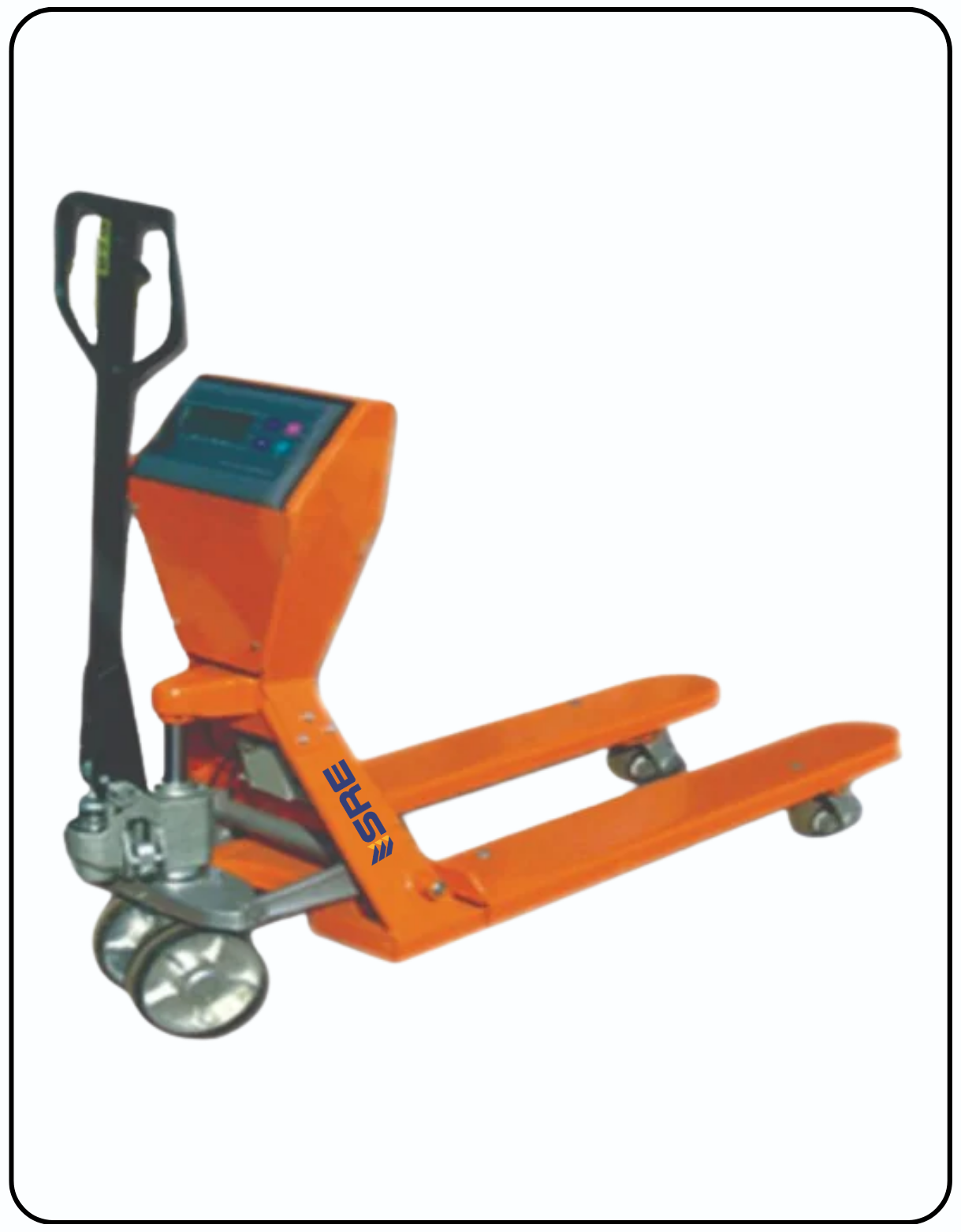
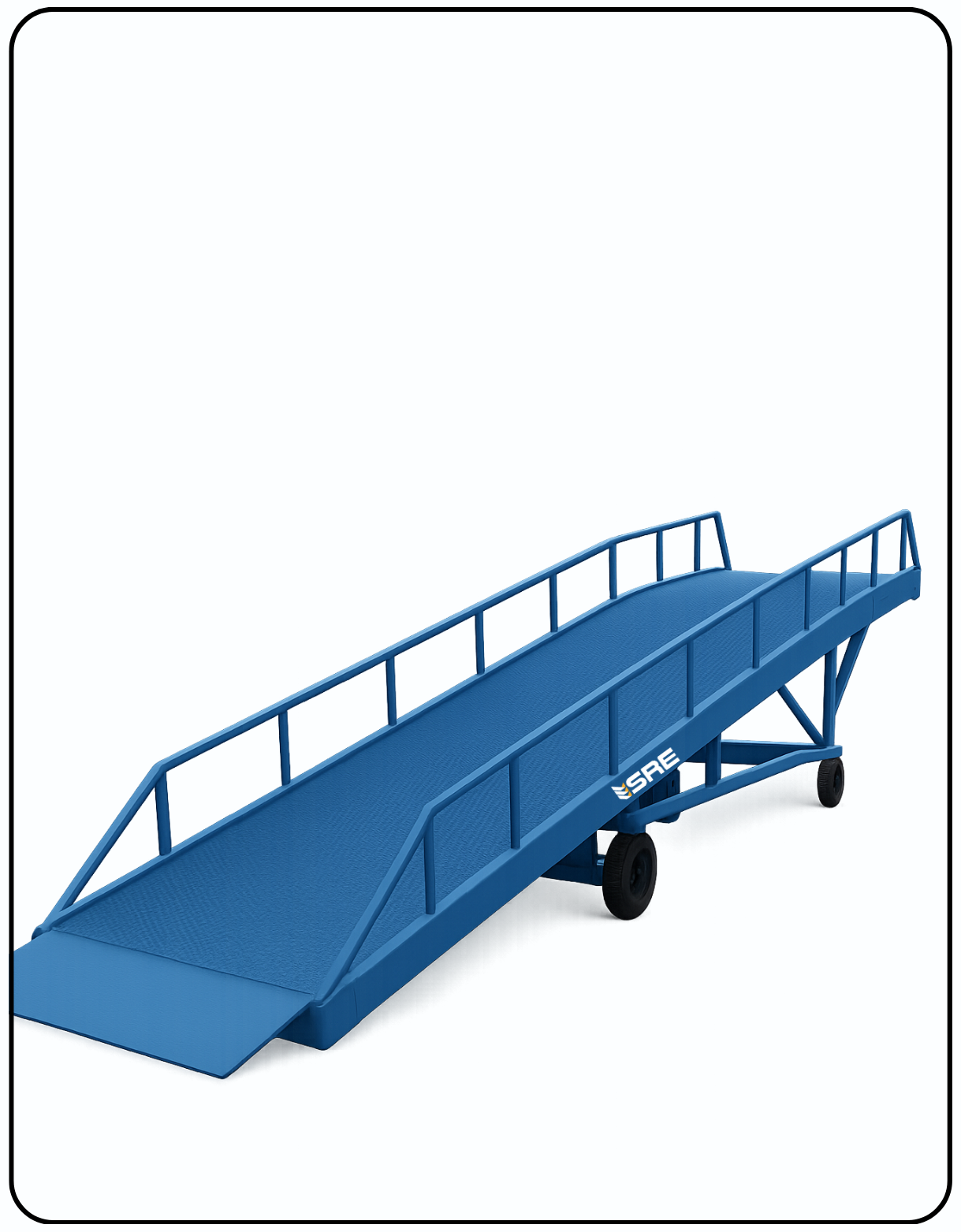
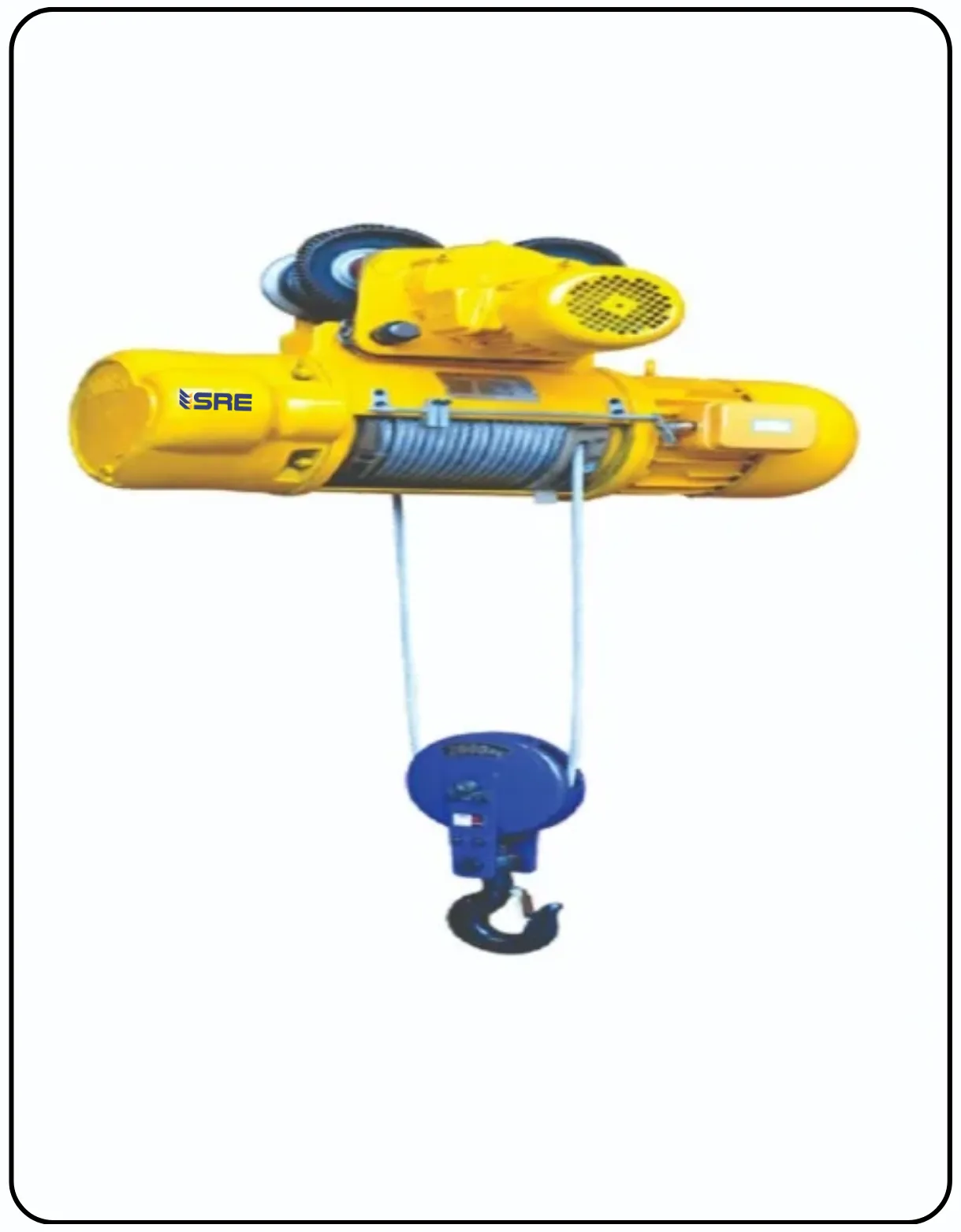
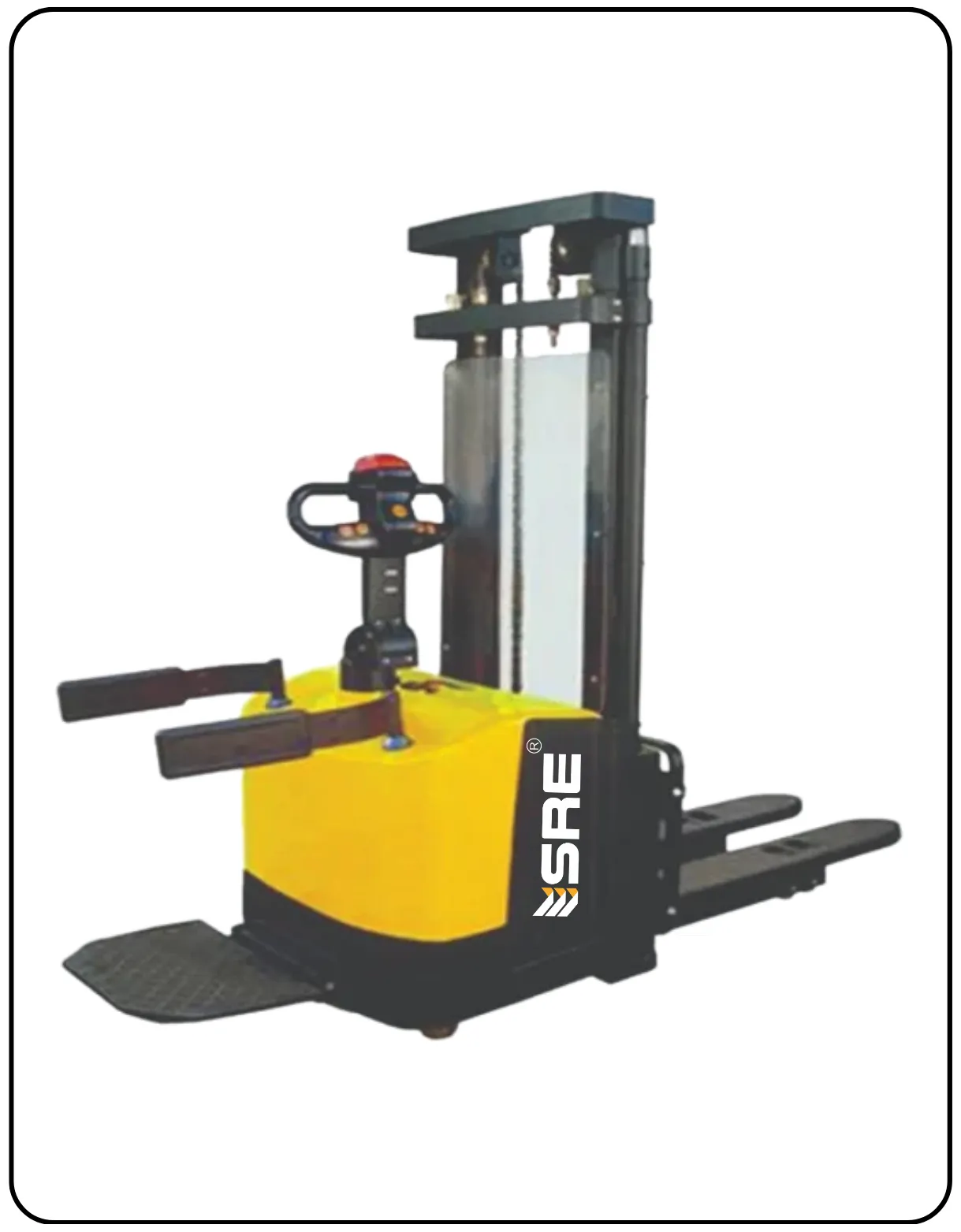
SRE Material Handling Equipment Pvt. Ltd.: Manufacturer, Supplier And Exporter Of Weight Scale Pallet Truck in Gujarat.
SRE Material Handling Equipment Pvt. Ltd., Manufacturer And Supplier Of Weight Scale Pallet Truck in Ahmedabad.
Our Manufacturing Unit is in Ahmedabad, Vadodara, and Rajkot, Gujarat, India.
Weight Scale Pallet Truck in Ahmedabad: A Practical Guide for Smarter Warehouse Operations
In today’s industrial environment, speed and accuracy are no longer “nice to have” — they are basic expectations. daily warehouse operations, managers are dealing with rising order volumes, tighter dispatch schedules, labour shortages, and growing safety responsibilities. In this context, the Weight Scale Pallet Truck is not just another material-handling tool.
It has become a practical solution for warehouses and factories in and around Ahmedabad that need faster movement, better load control, and fewer operational errors — without overcomplicating daily work. This blog is written for warehouse owners, factory managers, operations heads, and procurement teams who deal with real ground-level challenges.
Introduction: How Industrial Operations Have Changed
Warehouses and factories today look very different from ten years ago.
More SKUs, faster dispatch cycles, higher customer expectations, and leaner teams have changed how internal logistics must work.
Common challenges we see every day:
- Rising shipment volumes with limited space
- Pressure to reduce dispatch errors
- Fatigue among material-handling staff
- Higher focus on workplace safety
- Need for faster weight checking during movement
Earlier, weighing and moving were two separate steps. Goods were shifted first and weighed later. That meant extra handling, more time, and higher chances of mistakes.
The Weight Scale Pallet Truck combines both jobs — lifting and weighing — into one simple operation. That single change has made a big difference in many Ahmedabad-based warehouses where space, speed, and manpower are always under pressure.
The Changing Needs of Modern Warehouses and Industries
Across manufacturing, FMCG, pharma, chemicals, auto components, and e-commerce, internal movement has become more complex.
Warehouses now face:
- Multiple inbound and outbound flows
- Frequent partial shipments
- High frequency of pallet movement
- Need for accurate weight data at every stage
In real-life operations, delays rarely come from machines breaking down.
They come from small inefficiencies:
- Waiting for the weighing
- Re-handling loads
- Incorrect weight entries
- Congestion near weighbridges or scales
When a worker has to move a pallet to a scale, wait in line, weigh it, note the number, and then move it again — that’s wasted effort repeated hundreds of times a day.
Modern warehouses are redesigning workflows to remove such “extra steps.” That is where integrated handling equipment is gaining importance.
What Is a Weight Scale Pallet Truck?
A Weight Scale Pallet Truck looks like a standard hand pallet truck, but with a built-in weighing system.
In simple terms:
- You lift the pallet
- You move it
- You see its weight — at the same time
There is no need to stop at a separate weighing station.
The load is weighed as it is being handled.
In industry terms, it is used for:
- Checking incoming material weight
- Verifying outbound shipment loads
- Internal transfer where weight matters
- Preventing overloading of racks or vehicles
It is not a laboratory scale.
It is a working tool designed for industrial accuracy that supports everyday operational decisions.
Why the Weight Scale Pallet Truck Is Replacing Traditional Manual Equipment
Traditional handling methods usually involve:
- Manual pallet truck for movement
- A separate floor scale or weighbridge for weight
- Paper or system entry done separately
This creates:
- Extra travel
- Extra manpower effort
- More chances of a mismatch
The Weight Scale Pallet Truck simplifies this.
Manual Method vs Integrated Method:
Manual method:
- Move pallet → go to scale → weigh → note → move again
- More steps, more fatigue
Integrated method:
- Lift and move → weight displayed instantly
- Fewer steps, smoother flow
In many warehouses, replacing even part of the fleet with scale-integrated pallet trucks has reduced:
- Waiting time near the scales
- Congestion in aisles
- Re-handling of heavy pallets
The biggest benefit is consistency. Every shift, every operator follows the same simple process.
Productivity Gains in Daily Operations
In daily warehouse operations, productivity is not about speed alone.
It is about smooth flow.
With scale-integrated pallet trucks:
- Weighing becomes part of the movement
- Operators do not wait for equipment
- Supervisors get weight data faster
Common improvements seen:
- Faster inbound verification
- Quicker dispatch preparation
- Reduced internal transport loops
- Better control of pallet loads
Instead of one operator waiting for another to finish weighing, everyone can work independently.
This creates:
- Balanced workload
- Fewer idle moments
- Stable output across shifts
Consistency is important. When systems depend too much on a single scale or operator, performance drops whenever that link slows down.
Improved Workplace Safety
Material handling injuries usually come from:
- Repetitive lifting
- Extra walking with heavy loads
- Congested work areas
- Rushing to meet targets
When workers move pallets multiple times just for weighing, fatigue builds up faster.
With integrated weighing:
- Fewer movements per pallet
- Less strain on arms and back
- Reduced pushing and pulling cycles
Safety benefits include:
- Lower risk of muscle injuries
- Less congestion around the scales
- Better control while handling heavy pallets
- Controlled movement also matters.
When operators are not rushing between stations, they move more carefully and predictably.
Safety in warehouses is not only about protective gear — it is also about designing smarter workflows.
Handling Heavier Loads with Ease
Modern warehouses handle:
- Larger pallet sizes
- Heavier bulk materials
- High-density packaging
Traditional manual trucks can move heavy loads, but:
- Operators don’t always know the exact weight
- Overloading can damage racks or vehicles
- Safety risk increases
With built-in weighing:
- The load is visible instantly
- Operators know limits
- Supervisors can set clear guidelines
This improves:
- Rack safety
- Truck loading accuracy
- Floor load management
Better knowledge of load weight means fewer accidents caused by “guesswork.”
Technology and Operational Efficiency
Most weight scale pallet trucks use:
- Digital load cells
- Battery-powered displays
- Simple control panels
From an operational point of view, what matters most is:
- Reliability
- Long battery life
- Easy readability
A good system should:
- Start quickly
- Give stable readings
- Work throughout long shifts
In real warehouse conditions, dust, vibration, and temperature changes are common.
So industrial-grade systems are designed to keep working even when conditions are not perfect.
Operational efficiency is not about fancy features.
It is about tools that work every day without drama.
Space Optimization and Maneuverability
Many warehouses in Ahmedabad operate in:
- Converted industrial sheds
- Multi-use buildings
- Older layouts with narrow aisles
Adding separate weighing stations eats up valuable space.
Using integrated equipment means:
- No extra floor area for scales
- Less crowding near doors
- Better use of storage zones
Weight scale pallet trucks are built to:
- Turn easily
- Fit between racks
- Move in tight loading bays
This makes them suitable for:
- Narrow aisles
- Small dispatch areas
- Mixed-use factory floors
Space efficiency is not only about storage — it is also about movement.
Cost Efficiency Over Time
These trucks cost more than basic manual pallet trucks.
But the real cost is not just the purchase price.
Long-term value comes from:
- Reduced labour time
- Lower injury-related costs
- Fewer dispatch errors
- Less re-handling
Indirect savings include:
- Less overtime
- Fewer damaged goods
- Reduced workflow delays
When one tool saves even 1–2 minutes per pallet, the effect over hundreds of pallets per day becomes significant.
Cost efficiency is about:
- Fewer problems
- Fewer corrections
- More predictable operations
Sustainability and Compliance
Many industries now focus on:
- Cleaner operations
- Energy efficiency
- Regulatory compliance
Integrated handling supports this by:
- Reducing unnecessary movement
- Lowering the energy used by extra machines
- Helping track weight for transport compliance
Accurate weight data supports:
- Legal transport limits
- Warehouse load safety
- Audit readiness
Sustainability is not only about the environment — it is also about stable and responsible operations.
Integration with Warehouse and Factory Workflow
A weight-integrated pallet truck fits easily into:
- Receiving areas
- Packing zones
- Dispatch bays
- Production lines
Typical use cases:
- Checking raw material weight during inward
- Verifying packed pallets before shipping
- Monitoring internal transfers
It does not replace forklifts or conveyors — it supports them by handling medium-load tasks more smartly.
The goal is not to change the whole system, but to improve small steps that repeat every day.
Training, Ease of Use, and Maintenance
One advantage of this equipment is simplicity.
Operators usually learn:
- Lifting and moving like a normal pallet truck
- Reading the display
- Resetting tare
Training normally takes:
- A short demonstration
- Some supervised use
Maintenance needs:
- Basic battery care
- Periodic calibration
- Clean handling
Predictable maintenance is important.
Warehouses prefer machines that don’t need frequent specialist attention.
Why Choosing a Reliable Manufacturer Matters
Quality in material-handling equipment shows up in:
- Smooth lifting
- Stable readings
- Strong frame
- Reliable after-sales service
A reliable manufacturer should provide:
- Clear specifications
- Calibration support
- Spare parts availability
- Service response
For businesses in Gujarat and nearby regions, working with experienced Indian manufacturers often means:
- Faster service
- Easier communication
- Better understanding of local conditions
When choosing equipment, buyers should focus on:
- Build quality
- Service network
- Compliance with standards
- Long-term support
Conclusion
Warehouse and factory operations are under constant pressure to move faster, safer, and more accurately. The Weight Scale Pallet Truck addresses a very real problem: the gap between moving goods and knowing exactly what they weigh.
By combining lifting and weighing into one step, it reduces wasted effort, improves safety, and supports better decision-making. For many industrial facilities in Ahmedabad, it has become a practical part of daily operations — not a luxury, but a working tool.
If your operation involves frequent pallet movement and regular weighing, this type of equipment is worth serious consideration.
To explore practical material-handling solutions, you can learn more from SRE MATERIAL HANDLING EQUIPMENT PRIVATE LIMITED
Website: https://www.sremhepvtltd.com/
Key Takeaways
- Productivity: Fewer steps, faster flow, consistent output
- Safety: Less fatigue, fewer injuries, better control
- Load Handling: Instant weight visibility, reduced overloading
- Cost Efficiency: Long-term savings through smoother operations
- Industry Trend: Shift toward integrated, smarter handling tools
Trending F&Q
Q1. Is a weight scale pallet truck accurate enough for industrial use?
Yes. It is designed for working accuracy suitable for warehouses and factories, not laboratory precision.
Q2. Can it replace a floor weighing scale?
For many daily tasks, yes. For high-precision needs, separate scales may still be used.
Q3. Does it need special operators?
No. Anyone who can use a normal pallet truck can learn it quickly.
Q4. Is it suitable for narrow aisles?
Most models are built to handle tight warehouse layouts.
Q5. How often does it need calibration?
Usually, periodic calibration is required, depending on usage and compliance needs.
Get in touch with SRE MATERIAL HANDLING EQUIPMENT PRIVATE LIMITED today. Call +91 9316 208879 or email sremhepvtltd2025@gmail.com