
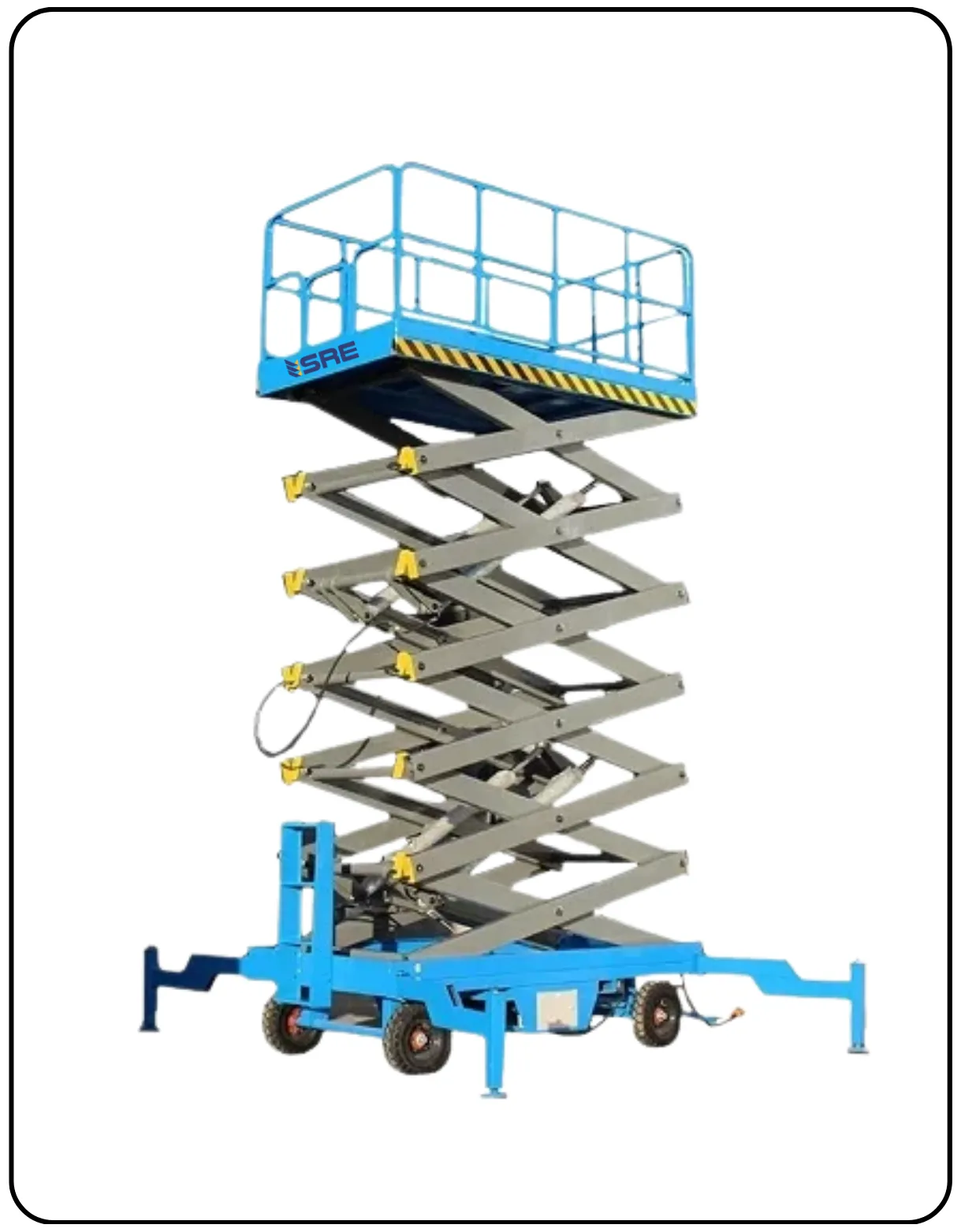
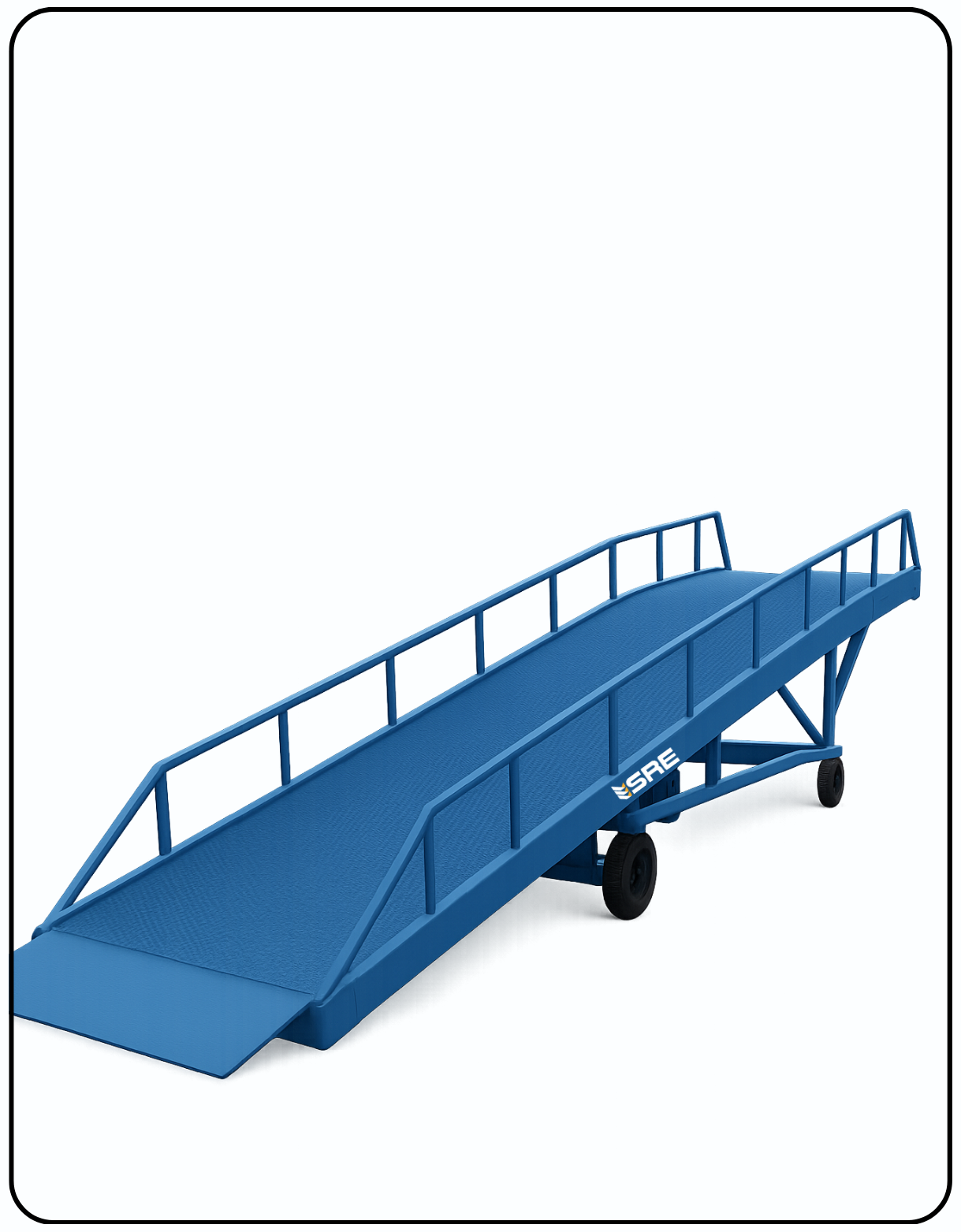
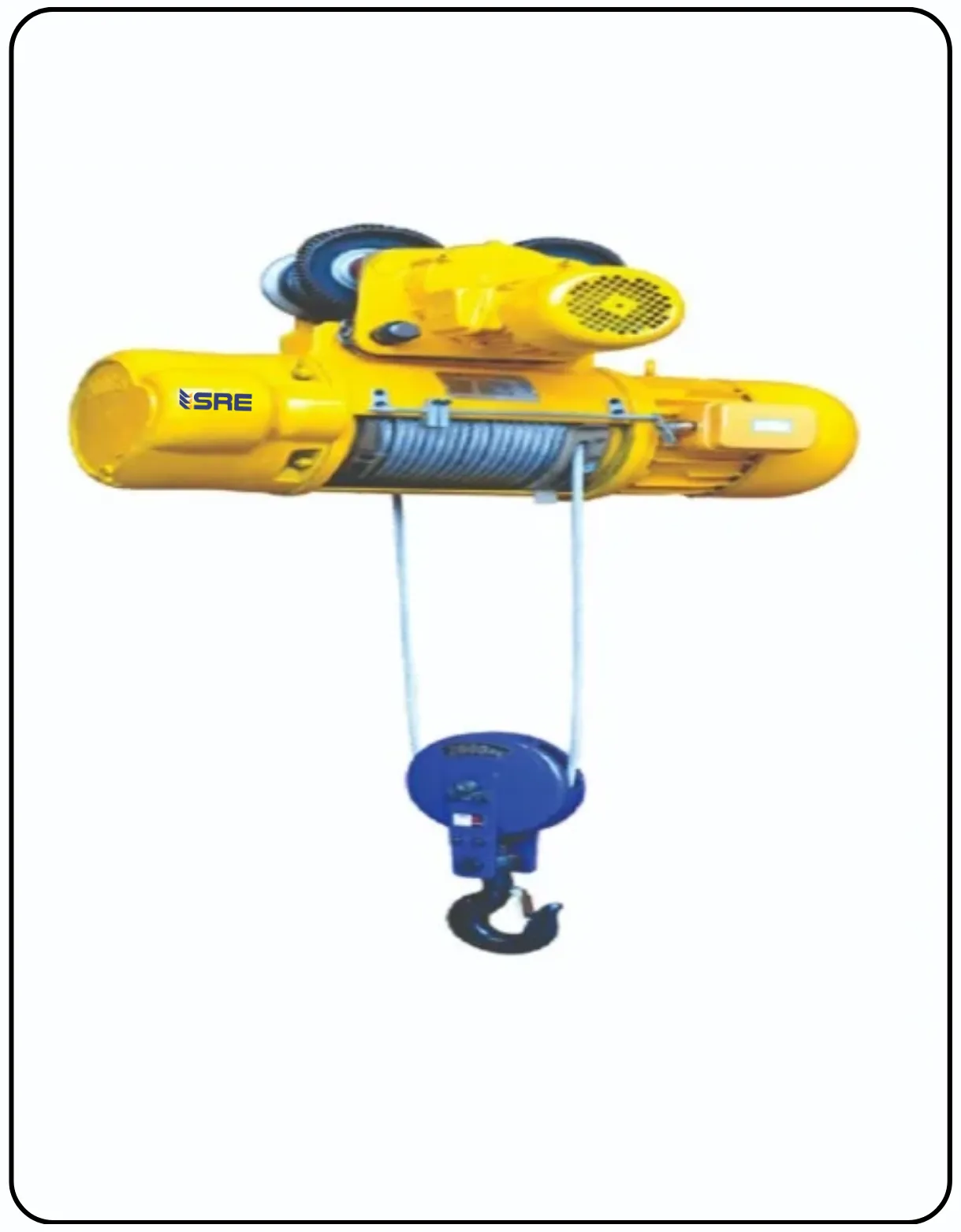
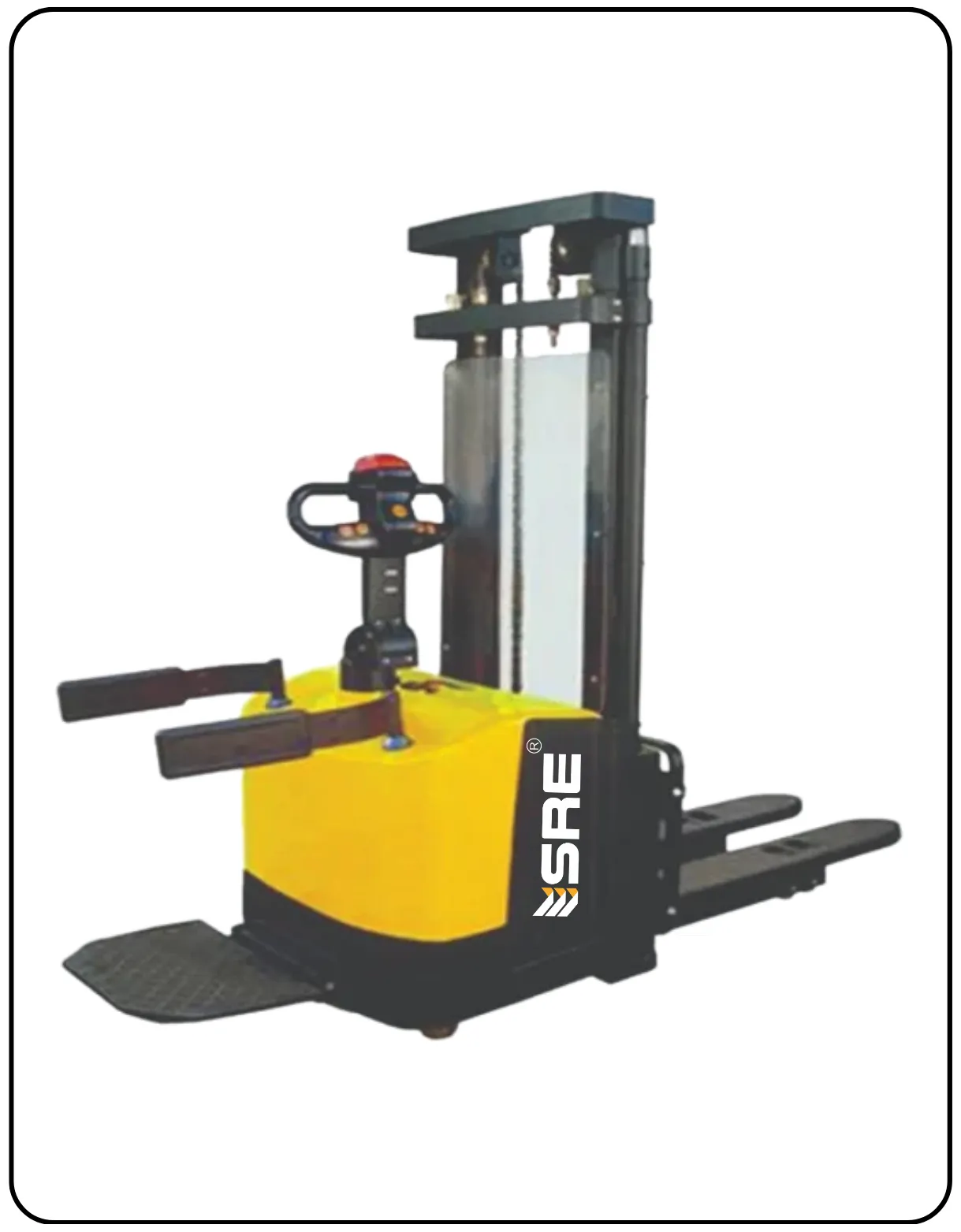
SRE Material Handling Equipment Pvt. Ltd.: Manufacturer, Supplier And Exporter Of Scissor Lift Table in India.
SRE Material Handling Equipment Pvt. Ltd., Manufacturer And Supplier Of Scissor Lift Table in Vadodara.
Our Manufacturing Unit is in Ahmedabad, Vadodara, and Rajkot, Gujarat, India.
Scissor Lift Table in Vadodara: A Practical Guide for Modern Industrial Operations
Introduction
Industrial and warehouse operations in Vadodara have changed significantly over the last decade. What were once low-volume, labor-driven environments are now fast-moving facilities handling higher throughput, tighter delivery timelines, and stricter safety expectations.
In daily warehouse operations, managers consistently face the same core challenges:
- Increasing order volumes
- Pressure to move materials faster
- Worker fatigue from repetitive lifting
- Rising safety and compliance responsibilities
Against this backdrop, the Scissor Lift Table has emerged as a practical, work-focused solution rather than a “new technology trend.” It addresses real operational problems—lifting, positioning, and transferring loads at safe working heights—without adding unnecessary complexity to existing systems.
The Changing Needs of Modern Warehouses and Industries
Warehouses and factories across Vadodara serve diverse sectors—engineering goods, pharmaceuticals, chemicals, auto components, and FMCG. Despite differences in products, internal challenges are strikingly similar.
Material movement inside facilities has increased. Loads are heavier, batch sizes vary, and deadlines leave little room for inefficiencies. Manual handling methods that once worked are now showing clear limitations, especially during peak shifts.
Operations heads often notice:
- Slower loading and unloading cycles
- Higher dependency on skilled labor
- Increased absenteeism due to physical strain
- Inconsistent productivity across shifts
These are not theoretical issues; they affect daily output and long-term workforce stability.
What Is a Scissor Lift Table?
A Scissor Lift Table is a material handling platform designed to raise or lower loads to a controlled working height. Instead of workers bending, stretching, or lifting manually, the load moves to the operator’s level.
In simple industry terms, it acts as an adjustable-height workstation. It supports tasks such as:
- Loading and unloading pallets
- Feeding materials into machines
- Assembly and packing operations
- Transferring goods between process stages
Its value lies not in complexity, but in consistent, controlled vertical movement.
Why Scissor Lift Table Is Replacing Traditional Manual Equipment
Manual trolleys, fixed-height tables, and floor-level handling still exist, but they increasingly struggle to meet today’s operational demands.
Manual handling creates fatigue. Fatigue reduces attention. Reduced attention leads to errors and injuries. Over time, productivity drops.
A Scissor Lift Table helps standardize working height across tasks. This reduces physical strain and ensures operators work within ergonomic limits, shift after shift.
The shift is not about automation replacing people—it’s about enabling people to work safely and efficiently.
Productivity Gains in Daily Operations
Small time savings repeated hundreds of times a day make a measurable difference.
In daily warehouse operations, lift tables reduce:
- Time spent adjusting loads manually
- Interruptions caused by improper load positioning
- Delays during pallet handling and packing
When material height remains consistent, workers complete tasks faster with fewer pauses. Over multiple shifts, this consistency leads to predictable output—something production planners value deeply.
Improved Workplace Safety
Workplace safety is no longer just a compliance checkbox. It directly impacts workforce retention, insurance costs, and operational continuity.
A Scissor Lift Table reduces:
- Back strain from bending and lifting
- Risk of dropped loads
- Unsafe stacking practices
Controlled vertical movement allows precise positioning. Operators remain in stable postures, which lowers the likelihood of musculoskeletal injuries—one of the most common causes of lost workdays in warehouses.
Handling Heavier Loads with Ease
As industries scale, load weights increase. Manual handling methods that once managed 100–150 kg loads struggle beyond that point.
Lift tables are built for stability. Their scissor mechanism distributes weight evenly, maintaining balance even with uneven loads. This stability allows warehouses to handle heavier pallets and components without compromising control.
For procurement teams, this translates into fewer damaged goods and safer internal transfers.
Technology and Operational Efficiency
Modern lift tables are designed with operational reliability in mind. Whether hydraulic, electro-hydraulic, or battery-operated, the focus remains on uptime.
Key operational advantages include:
- Smooth lifting cycles
- Low-maintenance power systems
- Predictable performance under continuous use
For operations managers, reliability matters more than specifications. Equipment that works consistently reduces unplanned downtime and keeps workflows predictable.
Space Optimization and Maneuverability
Space is often limited in urban industrial zones like Vadodara. Expanding floor area is expensive, making equipment footprint a critical consideration.
Scissor lift tables typically feature:
- Compact base designs
- Vertical lifting without horizontal movement
- Compatibility with narrow aisles
This allows facilities to improve handling efficiency without reconfiguring entire layouts.
Cost Efficiency Over Time
While upfront cost is often discussed, experienced procurement teams evaluate equipment based on total lifecycle value.
Over time, a Scissor Lift Table contributes to cost efficiency through:
- Reduced injury-related expenses
- Lower labor fatigue and turnover
- Fewer handling errors
- Less downtime from manual strain failures
The return is gradual but steady, aligning with long-term operational planning rather than short-term savings.
Sustainability and Compliance
Sustainable operations are no longer optional. Efficient equipment supports cleaner workflows by reducing waste, rework, and energy loss.
Lift tables contribute by:
- Optimizing load movement
- Reducing manual overexertion
- Supporting compliance with ergonomic and safety norms
Facilities aiming for audits and certifications benefit from standardized material handling systems.
Integration with Warehouse and Factory Workflow
One of the biggest advantages of lift tables is their adaptability. They integrate easily into:
- Packing stations
- Conveyor lines
- Assembly areas
- Machine feeding zones
They do not disrupt existing systems; they enhance them. This makes adoption smoother and reduces resistance from floor teams.
Training, Ease of Use, and Maintenance
Complex equipment often fails due to improper use. Lift tables avoid this problem through simple controls and intuitive operation.
Training typically involves:
- Basic safety instructions
- Load placement guidelines
- Routine inspection checks
Maintenance remains predictable—focused on hydraulic systems, power units, and mechanical joints—making planning easier for maintenance teams.
Why Choosing a Reliable Manufacturer Matters
Equipment performance depends as much on build quality as on design. A reliable manufacturer ensures:
- Consistent material quality
- Adherence to safety standards
- Availability of service support
- Clear documentation
Companies like SRE MATERIAL HANDLING EQUIPMENT PRIVATE LIMITED focus on providing practical, industry-aligned material handling solutions. Their experience in Indian industrial environments helps address real operational conditions rather than ideal scenarios.
For more details on solutions and applications, visit: https://www.sremhepvtltd.com/
Conclusion
A Scissor Lift Table in Vadodara is not a luxury addition—it is a practical tool shaped by real operational needs. From improving daily productivity to supporting worker safety and long-term cost efficiency, it aligns with how modern warehouses and factories actually operate.
For decision-makers evaluating material handling upgrades, the focus should remain on operational fit, reliability, and long-term value—not just specifications.
A well-chosen lift table quietly improves performance every day, without demanding constant attention.
Key Takeaways
- Productivity: Consistent working heights improve daily output
- Safety: Reduced manual lifting lowers injury risk
- Load Handling: Stable design supports heavier materials
- Cost Efficiency: Long-term savings through reduced downtime
- Industry Trend: Shift toward ergonomic, reliable equipment
Trending F&Q (Frequently Asked Questions)
Q1. Is a Scissor Lift Table suitable for small warehouses in Vadodara?
Yes. Compact designs make them suitable even for space-constrained facilities.
Q2. How much training is required for operators?
Basic operational and safety training is usually sufficient.
Q3. Can lift tables handle uneven or mixed loads?
Yes, when designed correctly, they provide stable lifting even with uneven distribution.
Q4. Are Scissor Lift Tables compliant with industrial safety norms?
Reputable manufacturers design them to meet standard safety and ergonomic guidelines.
Q5. What industries commonly use Scissor Lift Tables?
Warehousing, manufacturing, pharmaceuticals, engineering goods, and packaging units.
Contact us today for reliable material handling solutions tailored to your operations. Call +91 9316 208879 or sremhepvtltd2025@gmail.com for assistance now.
#ScissorLiftTable #MaterialHandlingSolutions #WarehouseEfficiency #IndustrialSafety #VadodaraIndustry #ErgonomicWorkplace #LoadHandlingEquipment #SREMaterialHandlingEquipment #FactoryOperations #SmartWarehousing