
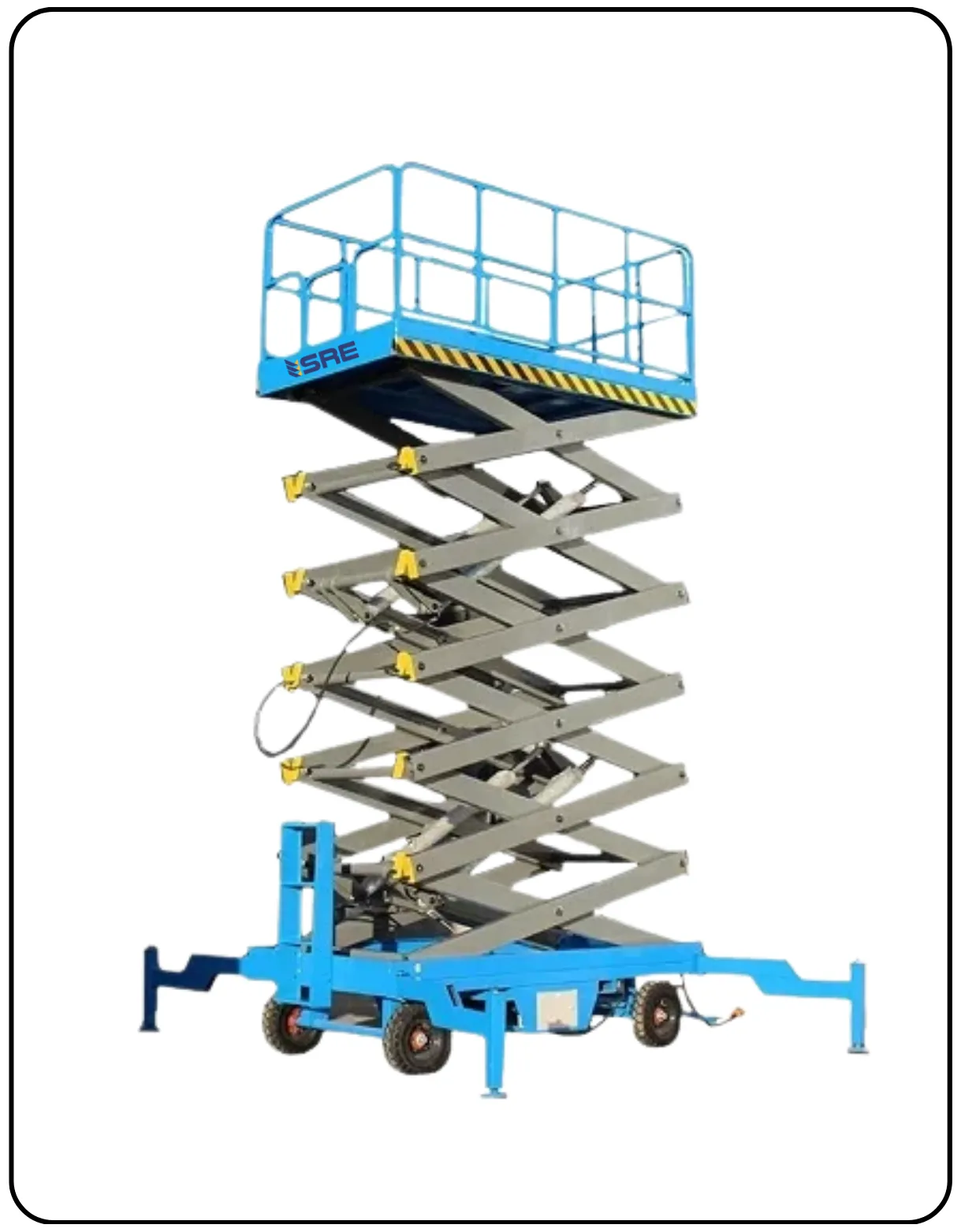
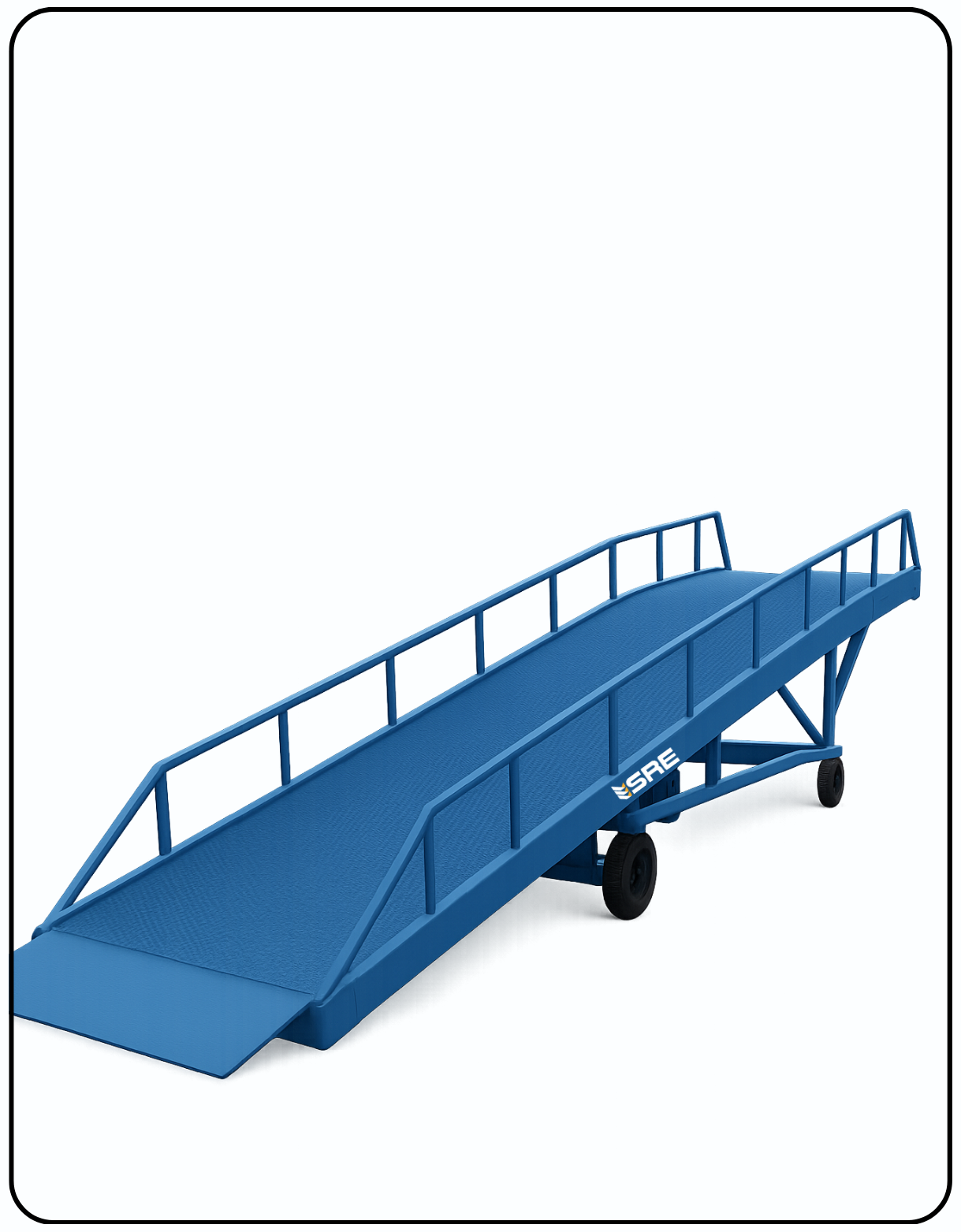
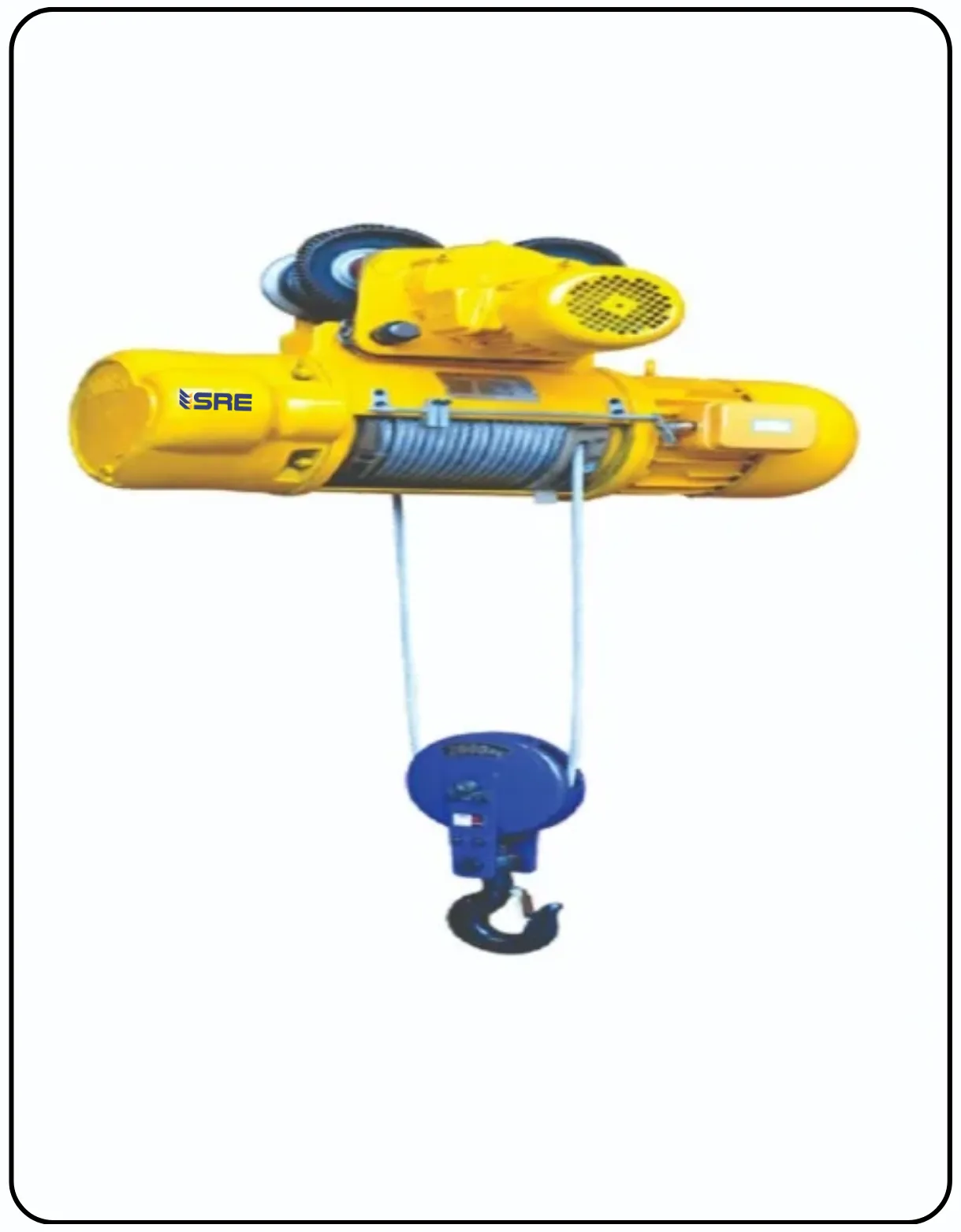
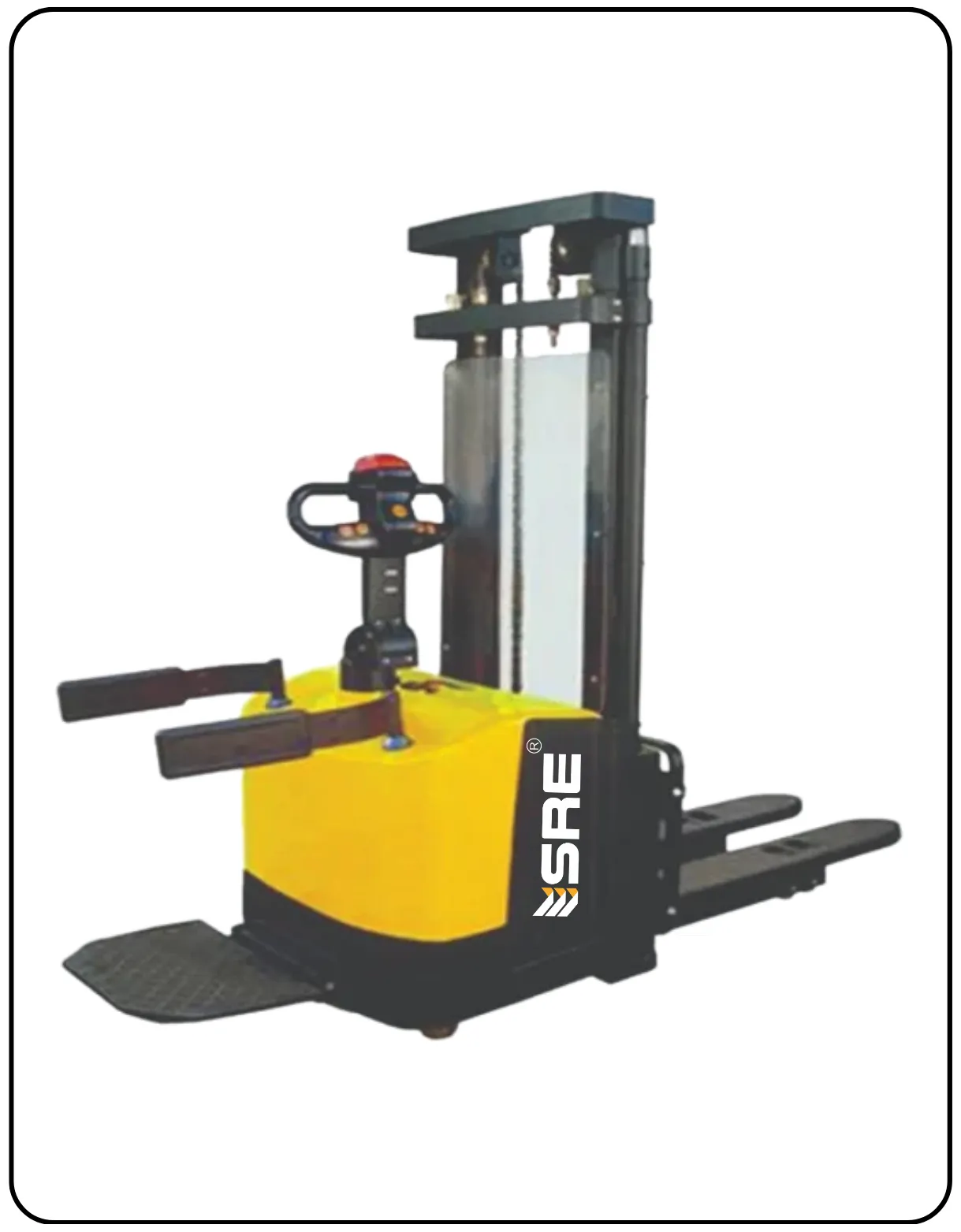
SRE Material Handling Equipment Pvt. Ltd.: Manufacturer, Supplier And Exporter Of Scissor Lift Table in India.
SRE Material Handling Equipment Pvt. Ltd., Manufacturer And Supplier Of Scissor Lift Table in Pune.
Our Manufacturing Unit is in Ahmedabad, Pune, and Rajkot, Gujarat, India.
Scissor Lift Table in Pune: A Practical Guide for Modern Industrial Operations
Introduction
In daily warehouse and factory operations, the pace of work has changed significantly over the last decade. Facilities in and around Pune are handling higher volumes, tighter dispatch schedules, and stricter safety expectations than ever before. What once worked with manual handling and basic lifting methods is now showing clear limitations.
Warehouse owners, factory managers, and operations heads frequently face similar challenges: delays caused by manual material movement, increased worker fatigue, and a growing risk of handling-related injuries. These issues directly affect productivity, workforce stability, and overall operational cost.
A Scissor Lift Table has emerged as a practical solution to address these challenges. Rather than being a luxury or specialized tool, it has become a functional part of modern material handling systems, especially in manufacturing units, warehouses, and assembly areas across Pune’s industrial zones.
The Changing Needs of Modern Warehouses and Industries
Industrial operations today are under constant pressure to move faster without compromising safety or quality. Production volumes are rising, order cycles are shrinking, and customer expectations are becoming more demanding.
In real-life warehouse workflows, material movement is no longer limited to occasional lifting. Goods are loaded, positioned, adjusted, and transferred multiple times across shifts. Manual handling methods struggle to keep up with this pace, leading to bottlenecks and uneven output.
Operations teams are also dealing with labor shortages and higher expectations around workplace ergonomics. These factors make it necessary to rethink how loads are handled within internal logistics systems.
What Is a Scissor Lift Table?
A scissor lift table is a material handling platform designed to raise or lower loads to a comfortable working height. It uses a scissor-like mechanism that provides vertical movement in a controlled and stable manner.
In practical terms, it allows operators to bring materials to the right height instead of forcing workers to bend, stretch, or manually lift heavy items. In warehouses and factories, this simple adjustment can make a noticeable difference in daily efficiency and safety.
Unlike complex automated systems, a scissor lift table integrates easily into existing operations without requiring major layout changes.
Why Scissor Lift Table Is Replacing Traditional Manual Equipment
Traditional material handling methods rely heavily on manual effort, fixed-height tables, or makeshift platforms. While these methods may appear cost-effective initially, they often lead to inconsistent workflow and higher physical strain on workers.
A scissor lift table reduces repetitive bending and lifting, which are common causes of fatigue and injuries. It also provides consistent height adjustment, allowing workers across different shifts to maintain the same working posture.
Over time, many facilities find that replacing manual methods with lift tables improves both output quality and workforce comfort.
Productivity Gains in Daily Operations
In daily warehouse operations, small time savings add up quickly. Adjusting load height instantly instead of repositioning materials manually reduces handling time at each step.
Operators can focus on the task itself rather than on managing awkward load positions. This leads to smoother workflows and more predictable output across shifts.
Facilities using lift tables often report fewer interruptions caused by fatigue-related slowdowns, especially during longer operating hours.
Improved Workplace Safety
Material handling injuries are one of the most common issues in industrial environments. Back strain, shoulder injuries, and slips during manual lifting are frequent causes of lost workdays.
A scissor lift table improves safety by keeping loads stable and movement controlled. Workers handle materials at an ergonomic height, reducing the risk of sudden strain or imbalance.
From a safety management perspective, this contributes to fewer incidents and a more compliant workplace environment.
Handling Heavier Loads with Ease
Modern warehouses are dealing with heavier and more varied loads than before. From bulk raw materials to finished goods, load stability is critical.
Scissor lift tables are designed to support heavy loads while maintaining balance during lifting and lowering. This stability allows operators to position materials accurately without excessive physical effort.
As load weights increase, having controlled lifting equipment becomes essential rather than optional.
Technology and Operational Efficiency
Depending on the application, scissor lift tables may use hydraulic, electric, or battery-powered systems. The focus in industrial environments is not advanced automation, but reliability and uptime.
Well-designed lift tables offer smooth operation with minimal maintenance requirements. This predictability helps operations teams plan workflows without unexpected disruptions.
Reliable power systems ensure consistent performance across shifts, even in demanding industrial conditions.
Space Optimization and Maneuverability
Space is often limited in warehouses and factory floors, especially in older facilities. Equipment that occupies excessive floor area can restrict movement and reduce efficiency.
Scissor lift tables are typically compact and can be positioned in narrow aisles or workstations. Their vertical lifting design minimizes horizontal space usage.
This makes them suitable for facilities looking to improve material handling without reorganizing the entire layout.
Cost Efficiency Over Time
While initial investment is always a consideration, long-term operational value matters more. Manual handling methods often carry hidden costs in the form of injuries, absenteeism, and slower output.
A scissor lift table helps reduce these indirect expenses by lowering physical stress and improving consistency. Over time, fewer injuries and smoother operations translate into measurable savings.
From a cost perspective, the value lies in reliability and reduced operational risk rather than upfront pricing alone.
Sustainability and Compliance
Industrial facilities are increasingly expected to operate responsibly and comply with safety and labor standards. Ergonomic material handling supports this objective.
By reducing manual strain and improving efficiency, lift tables contribute to cleaner and more organized work environments. Energy-efficient designs also align with sustainability goals without compromising performance.
Compliance-focused operations benefit from equipment that supports safer handling practices.
Integration with Warehouse and Factory Workflow
A scissor lift table does not operate in isolation. It becomes part of the broader material flow, connecting storage, assembly, packing, and dispatch processes.
Because of its straightforward operation, it integrates easily with conveyors, pallets, and other handling equipment. This flexibility allows operations managers to adapt workflows as production demands change.
The result is a more cohesive and responsive internal logistics system.
Training, Ease of Use, and Maintenance
Ease of use is a key advantage in busy industrial settings. Scissor lift tables require minimal training, allowing operators to become comfortable quickly.
Routine maintenance is generally straightforward, focusing on regular inspections and basic servicing. Predictable maintenance schedules help avoid unexpected downtime.
This simplicity is valuable in facilities where equipment reliability directly affects production schedules.
Why Choosing a Reliable Manufacturer Matters
Not all material handling equipment delivers the same performance over time. Build quality, safety standards, and service support play a major role in long-term reliability.
Choosing an experienced manufacturer ensures compliance with industry norms and access to dependable after-sales support. For industrial buyers, this reduces risk and supports uninterrupted operations.
Companies like SRE MATERIAL HANDLING EQUIPMENT PRIVATE LIMITED focus on practical design, compliance, and service reliability, which are critical factors for industrial decision-makers. More details can be found at https://www.sremhepvtltd.com/.
Conclusion
For warehouses and factories in Pune, material handling is no longer just about moving goods from one point to another. It is about doing so safely, efficiently, and consistently.
A scissor lift table offers a balanced solution that addresses real operational challenges without overcomplicating workflows. Its value lies in everyday usability, safety improvement, and long-term efficiency.
For organizations evaluating their internal handling processes, exploring the right lifting equipment can be a practical step toward more resilient operations.
Key Takeaways
- Productivity: Faster, smoother material handling across shifts
- Safety: Reduced risk of handling-related injuries
- Load Handling: Stable and controlled lifting of heavier loads
- Cost Efficiency: Lower long-term operational and injury-related costs
- Industry Trend: Growing adoption in modern warehouses and factories
Trending FAQs
Q1. Where is a scissor lift table commonly used in industrial setups?
It is widely used in warehouses, assembly lines, packing stations, and loading areas where height adjustment improves handling efficiency.
Q2. Is a scissor lift table suitable for continuous daily operations?
Yes, when properly selected and maintained, it is designed for regular industrial use.
Q3. How does it improve worker safety?
By reducing manual lifting, awkward postures, and sudden load movement.
Q4. Can it be integrated into existing warehouse layouts?
Most scissor lift tables are compact and integrate easily without major layout changes.
Q5. What should buyers consider before selecting a lift table?
Load capacity, operating environment, reliability, and manufacturer support.
For more information on Scissor Lift Tables and other material handling solutions, Call +91 9316 208879 or email sremhepvtltd2025@gmail.com
#ScissorLiftTable #MaterialHandling #WarehouseEquipment #IndustrialLifting #HeavyLoadHandling #WarehouseSafety #FactoryEquipment #LogisticsSolutions #LiftEfficiency #WorkplaceSafety #IndustrialAutomation #LoadManagement