
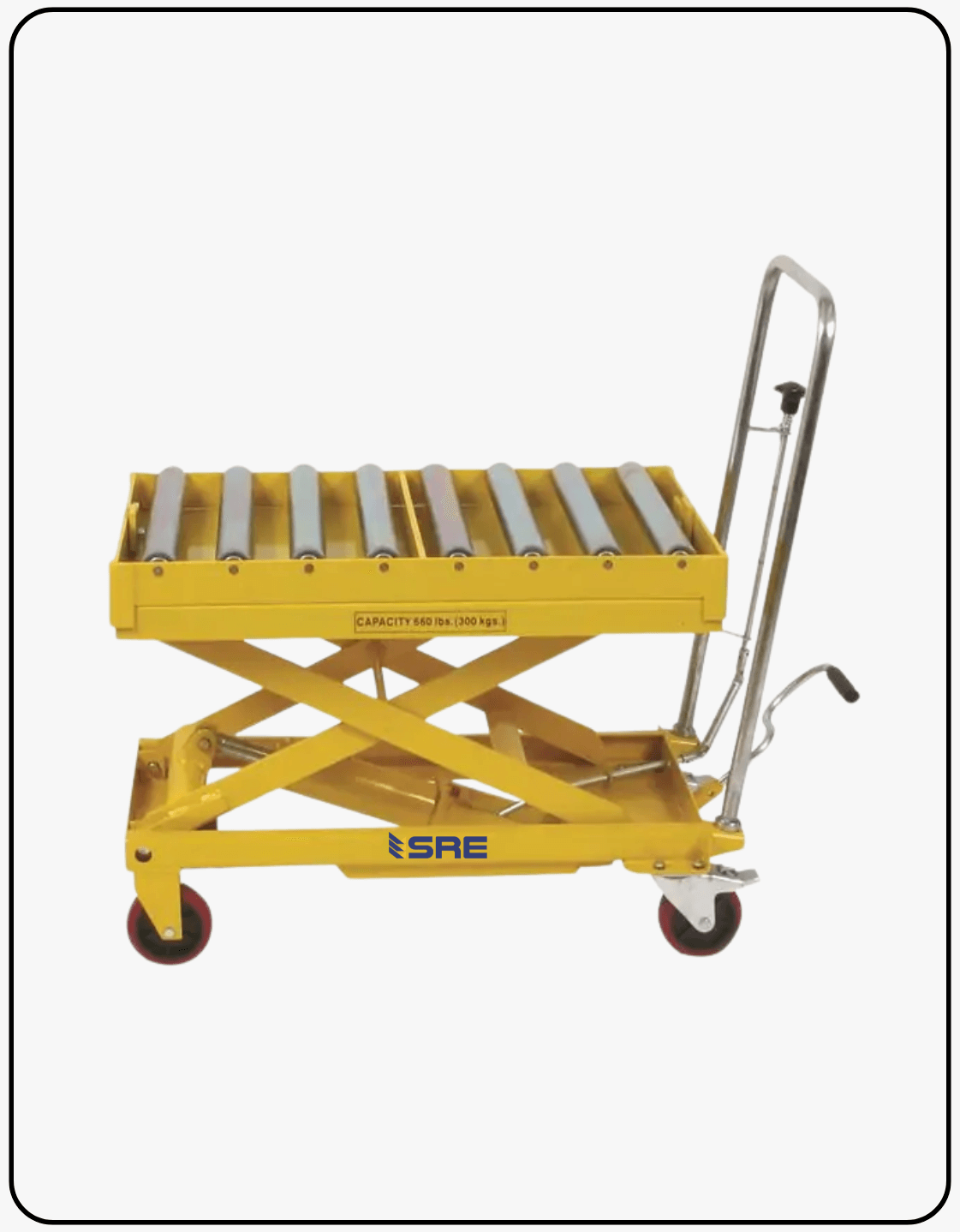
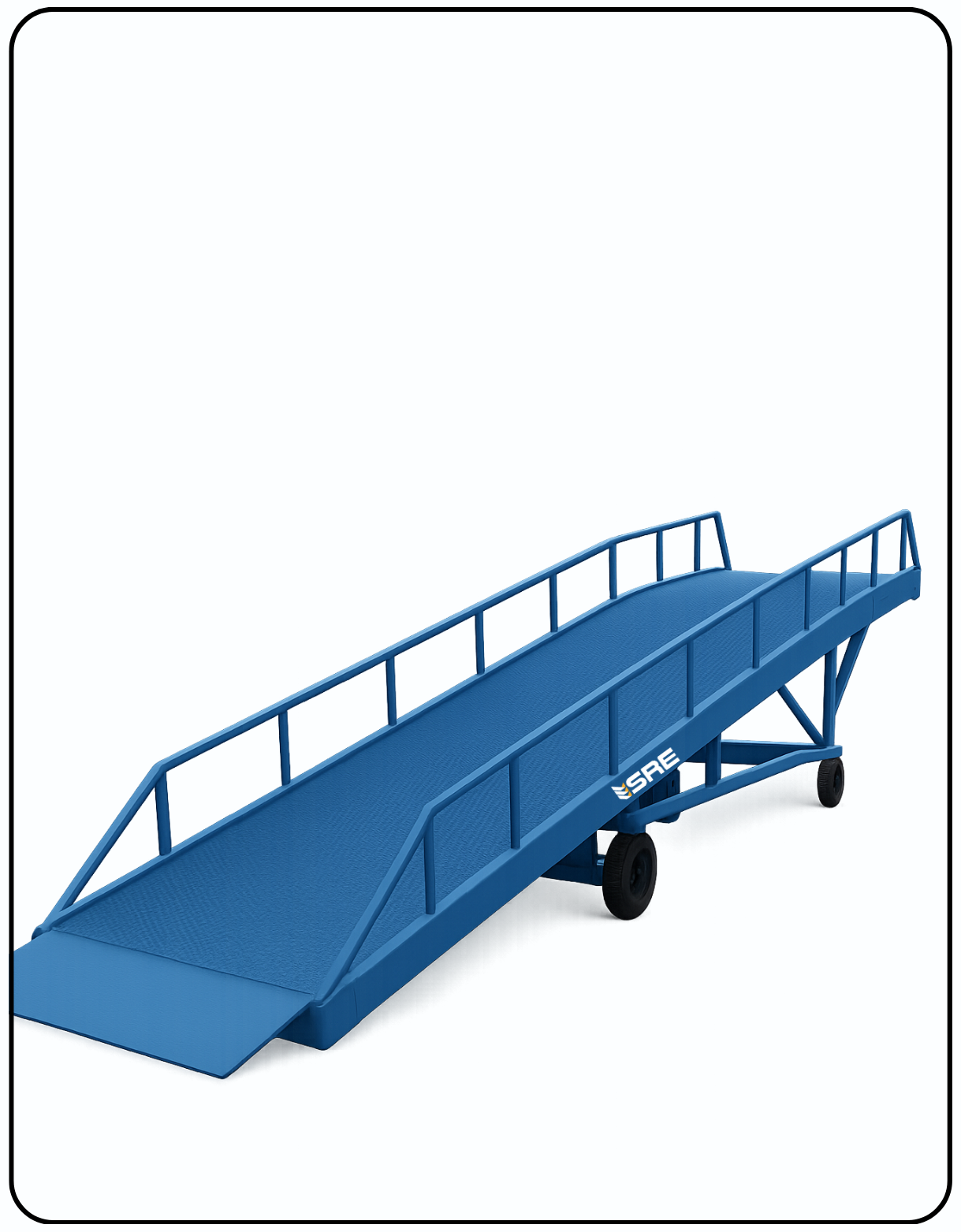
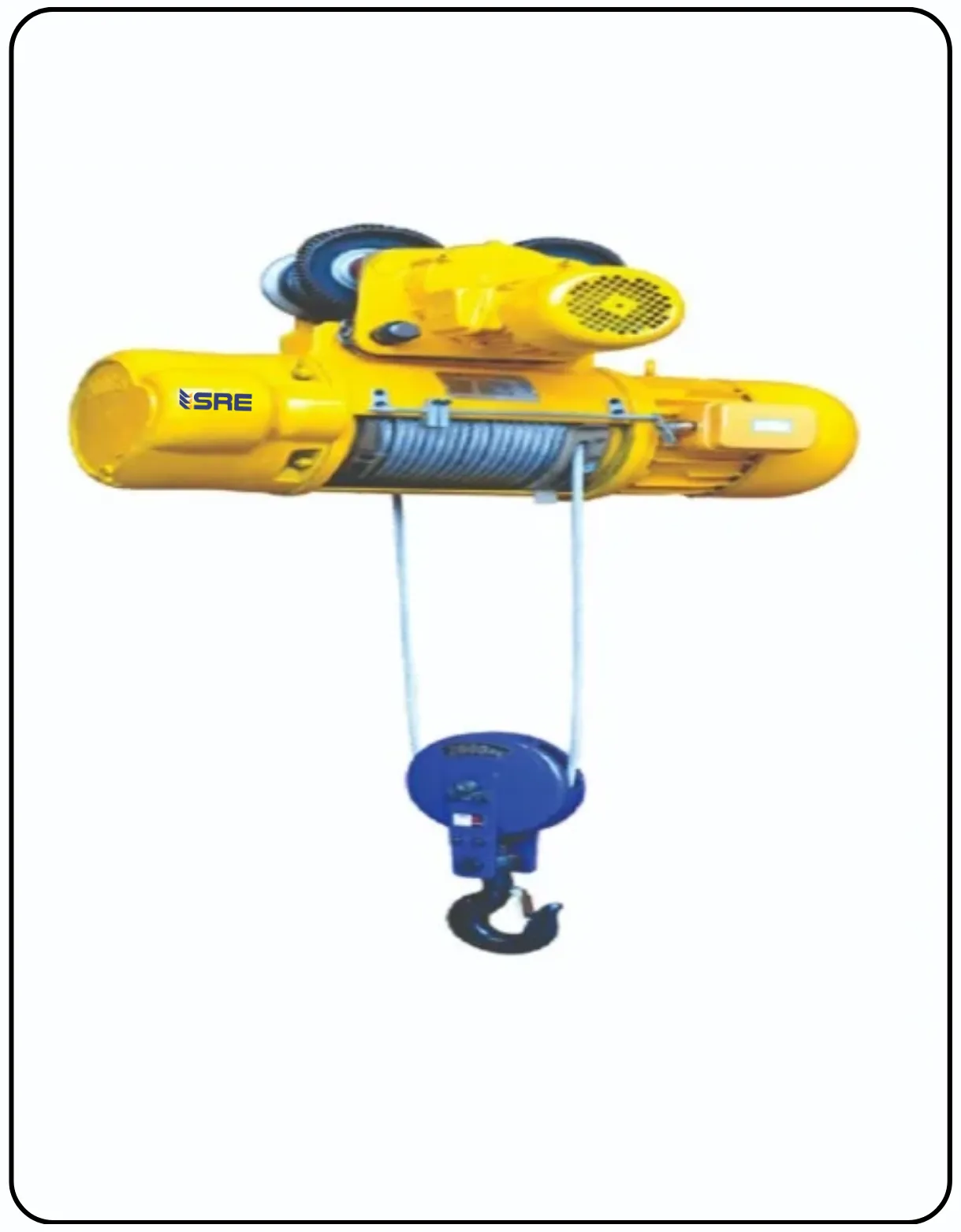
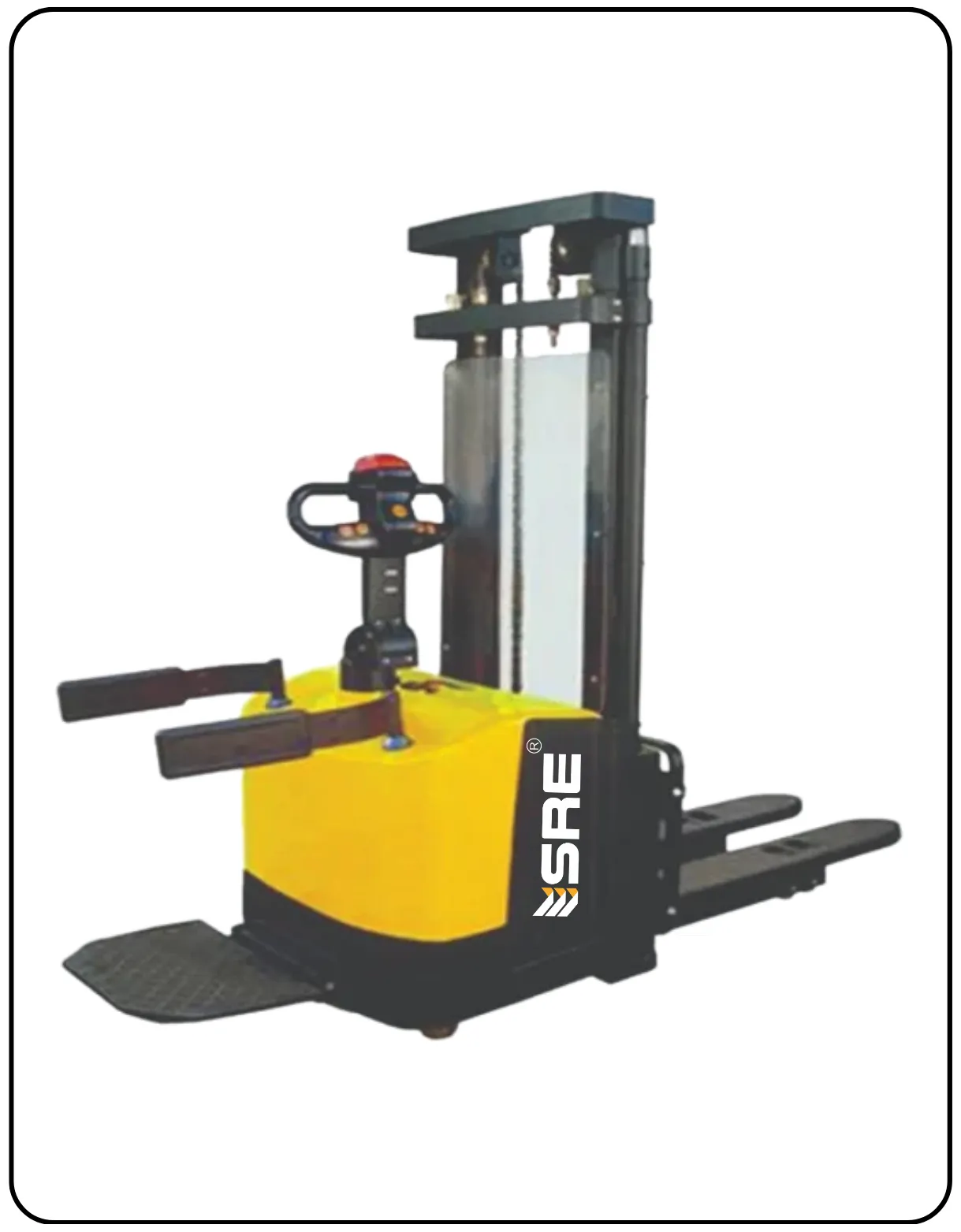
SRE Material Handling Equipment Pvt. Ltd.: Manufacturer, Supplier And Exporter Of Roller Scissor Lift Table in India.
SRE Material Handling Equipment Pvt. Ltd., Manufacturer And Supplier Of Roller Scissor Lift Table in Pune.
Our Manufacturing Unit is in Ahmedabad, Vadodara, and Rajkot, Gujarat, India.
Roller Scissor Lift Table in Pune: A Practical Solution for Modern Warehouse & Factory Operations
In daily warehouse and factory operations, the way materials are moved, positioned, and transferred has changed significantly over the last decade. Facilities in and around Pune are handling higher volumes, tighter delivery schedules, and stricter safety expectations than ever before. Manual handling methods and basic lifting equipment that once worked are now struggling to keep up.
This is where a Roller Scissor Lift Table fits naturally into modern industrial workflows. Not as a “fancy upgrade,” but as a practical response to real operational pain points—worker fatigue, inconsistent productivity, handling delays, and safety risks. For decision-makers responsible for efficiency and uptime, this equipment often becomes a quiet but critical improvement on the shop floor.
Introduction: Evolving Warehouse & Industrial Operations
Warehouses and factories today operate under constant pressure. Faster dispatch cycles, just-in-time production, and rising labor constraints are part of everyday reality. In Pune’s industrial belts—automotive, engineering, logistics, and FMCG—internal material movement has become a bottleneck if not handled properly.
Common challenges include:
- Repetitive lifting causing worker fatigue
- Delays during loading and unloading between conveyors and pallets
- Safety incidents from uneven or manual load handling
- Productivity drops across longer shifts
A Roller Scissor Lift Table addresses these challenges by bringing loads to the right height, enabling smooth transfer, and reducing physical strain—without disrupting existing layouts.
The Changing Needs of Modern Warehouses & Industries
Modern facilities are not just bigger; they are more complex. SKU variety is higher, order sizes vary, and workflows must remain flexible. Internal logistics is no longer about brute strength—it’s about consistency and control.
In real-life operations, managers often notice:
- Congestion at packing or dispatch zones
- Workers bending or stretching repeatedly during transfers
- Mismatch between conveyor heights and pallet levels
- Difficulty maintaining output consistency across shifts
Equipment that adapts to the workflow, rather than forcing workers to adapt, is becoming essential.
What Is a Roller Scissor Lift Table?
A Roller Scissor Lift Table is a lifting platform with integrated rollers that allows loads to be raised, lowered, and transferred smoothly. Unlike standard lift tables, the roller top enables horizontal movement of goods—making it especially useful where pallets, cartons, or crates need to move between conveyors, trolleys, or workstations.
On the shop floor, it’s less about definitions and more about what it does:
- Brings the load to a comfortable working height
- Allows controlled rolling instead of manual lifting
- Acts as a bridge between different material handling points
Why Roller Scissor Lift Table Is Replacing Traditional Manual Equipment
Manual lifting tables, fixed-height platforms, and floor-level handling are increasingly seen as limiting. They depend heavily on worker strength and experience, leading to variability and fatigue.
Compared to manual methods, a Roller Scissor Lift Table offers:
- Reduced physical strain on operators
- Consistent handling regardless of shift or operator
- Faster transfers with fewer pauses
- Lower risk of dropped or mishandled loads
Over time, facilities notice fewer slowdowns caused by tired staff or minor handling errors.
Productivity Gains in Daily Operations
In practical terms, productivity gains don’t come from speed alone—they come from smoother flow. When loads are positioned correctly and transferred without effort, small time savings add up across hundreds of cycles.
Operations teams often observe:
- Faster loading and unloading at packing stations
- Less waiting time between process steps
- More predictable output during peak hours
- Stable performance across multiple shifts
The result is not overworked teams, but steady, repeatable productivity.
Improved Workplace Safety
Safety improvements are one of the most visible benefits. Repeated bending, twisting, and lifting are common causes of workplace injuries in warehouses and factories.
By using a Roller Scissor Lift Table, facilities reduce:
- Back and shoulder strain
- Risk of sudden load drops
- Unsafe manual adjustments
- Accidents caused by uneven lifting
Controlled vertical movement and smooth rolling reduce reliance on physical force, aligning well with modern safety expectations.
Handling Heavier Loads with Ease
As order sizes grow and pallet loads become heavier, manual handling becomes impractical and unsafe. Stability and control are critical
A well-designed roller scissor lift table provides:
- Stable lifting even under heavier loads
- Controlled movement without sudden jerks
- Better load alignment during transfers
This makes it suitable for demanding environments where load weight and consistency matter.
Technology & Operational Efficiency
Modern lift tables are built with reliability in mind. Whether hydraulic, electro-hydraulic, or mechanically assisted, the focus is on uptime and predictable performance.
Operational advantages include:
- Smooth lifting cycles with minimal vibration
- Reliable power systems suited for continuous use
- Simple controls that reduce operator error
For operations managers, fewer breakdowns mean fewer disruptions.
Space Optimization & Maneuverability
Space is always at a premium. Facilities in Pune often operate within fixed layouts where expansion is limited.
A Roller Scissor Lift Table typically features:
- Compact footprint
- Compatibility with narrow aisles
- Easy integration into existing lines
Instead of rearranging the entire floor, the equipment adapts to the space available.
Cost Efficiency Over Time
While initial investment is a consideration, long-term value matters more. Over time, facilities see savings through:
- Reduced injury-related costs
- Lower absenteeism
- Less reliance on manual labor
- Fewer workflow disruptions
The return comes from operational stability rather than short-term price advantages.
Sustainability & Compliance
Cleaner, more controlled operations support sustainability goals. Reduced manual effort often means lower energy waste and better alignment with workplace standards.
Benefits include:
- Improved ergonomic compliance
- Support for safer handling guidelines
- Efficient use of power systems
Compliance becomes a by-product of good design, not an afterthought.
Integration with Warehouse / Factory Workflow
One of the strongest advantages is how easily the equipment fits into existing systems. Roller scissor lift tables often work alongside:
- Conveyors
- Packing stations
- Assembly lines
- Dispatch zones
They don’t demand a complete process overhaul—just a smarter connection point.
Training, Ease of Use & Maintenance
From an operational standpoint, simplicity matters. Operators can usually be trained quickly, with controls that feel intuitive.
Maintenance tends to be:
- Predictable
- Scheduled rather than reactive
- Focused on routine checks
This keeps downtime manageable and planning straightforward.
Why Choosing a Reliable Manufacturer Matters
Not all equipment performs the same under daily industrial stress. A reliable manufacturer brings:
- Consistent build quality
- Compliance with industry standards
- Responsive service support
- Experience across different industries
For decision-makers, this reduces long-term risk and uncertainty.
In Pune and across India, companies like SRE MATERIAL HANDLING EQUIPMENT PRIVATE LIMITED have built a reputation by focusing on practical design, service support, and industry-specific understanding.
Website: https://www.sremhepvtltd.com/
Conclusion
A Roller Scissor Lift Table is not about automation for its own sake. It’s about making daily operations safer, smoother, and more predictable. For warehouses and factories facing rising volumes and limited labor flexibility, it offers a balanced solution—improving productivity without overcomplicating the floor.
For decision-makers evaluating long-term efficiency, it’s worth considering how such equipment fits into existing workflows and future growth plans.
Key Takeaways
- Productivity: Smoother transfers and consistent output
- Safety: Reduced manual strain and injury risk
- Load Handling: Stable and controlled movement of heavier loads
- Cost Efficiency: Long-term operational savings
- Industry Trend: Shift toward ergonomic, workflow-friendly equipment
Trending FAQs
Q1. Is a roller scissor lift table suitable for continuous warehouse operations?
Yes, when selected correctly, it is designed for repetitive, daily use with stable performance.
Q2. Can it be integrated with existing conveyors?
In most cases, yes. Roller tops are specifically useful for conveyor and pallet transitions.
Q3. Does it require highly skilled operators?
No. Basic training is usually sufficient due to simple controls.
Q4. How does it improve workplace safety?
By minimizing bending, lifting, and manual load adjustments.
Q5. Is it suitable for Pune’s diverse industrial sectors?
Yes. It is commonly used across logistics, manufacturing, and engineering facilities.
Get in touch with us for reliable material handling solutions today. Call +91 9316 208879 or sremhepvtltd2025@gmail.com for assistance now.
#RollerScissorLiftTable #MaterialHandlingSolutions #WarehouseEfficiency #IndustrialSafety #FactoryOperations #PuneIndustries #SREMaterialHandlingEquipment #ErgonomicHandling #SupplyChainOptimization