
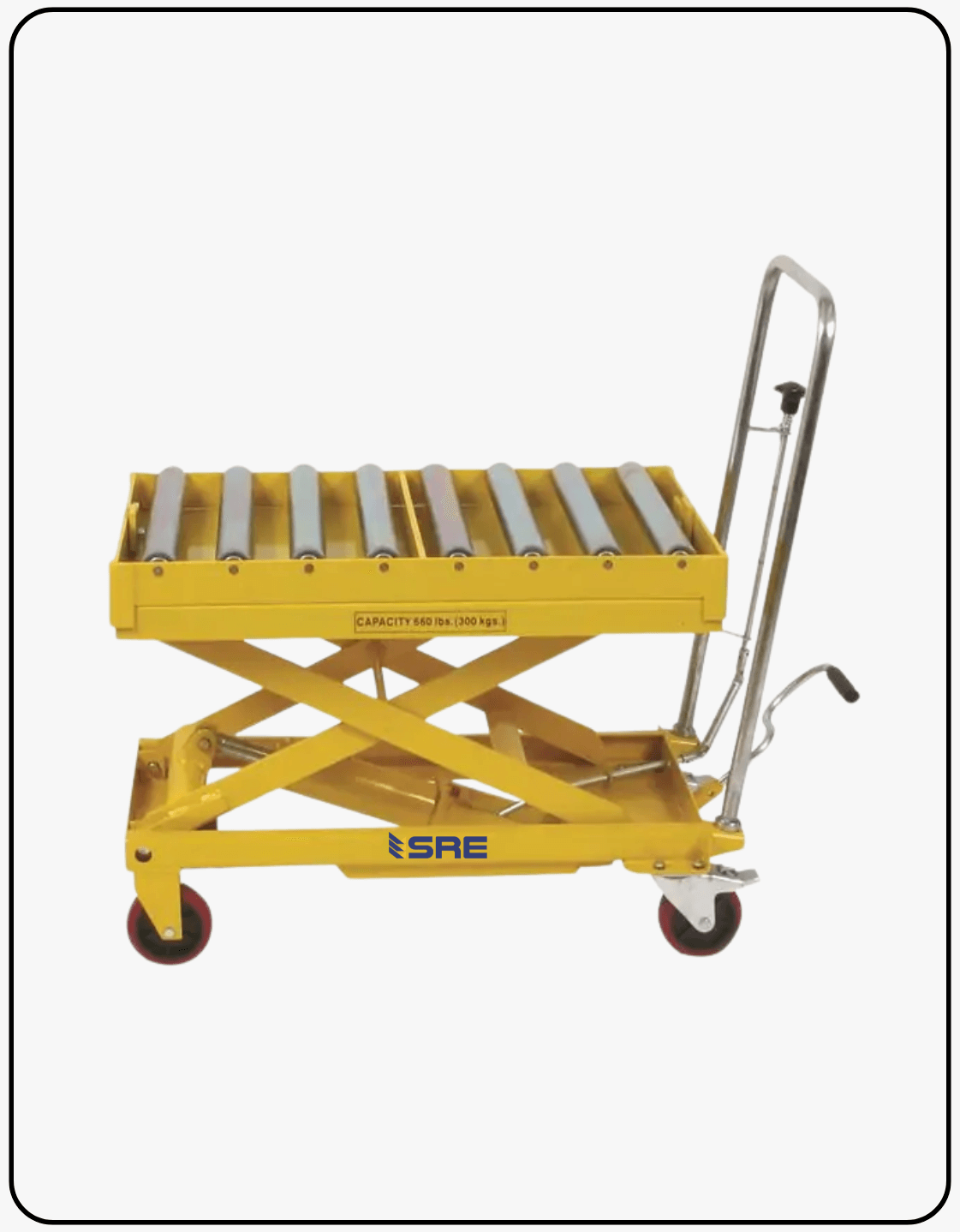
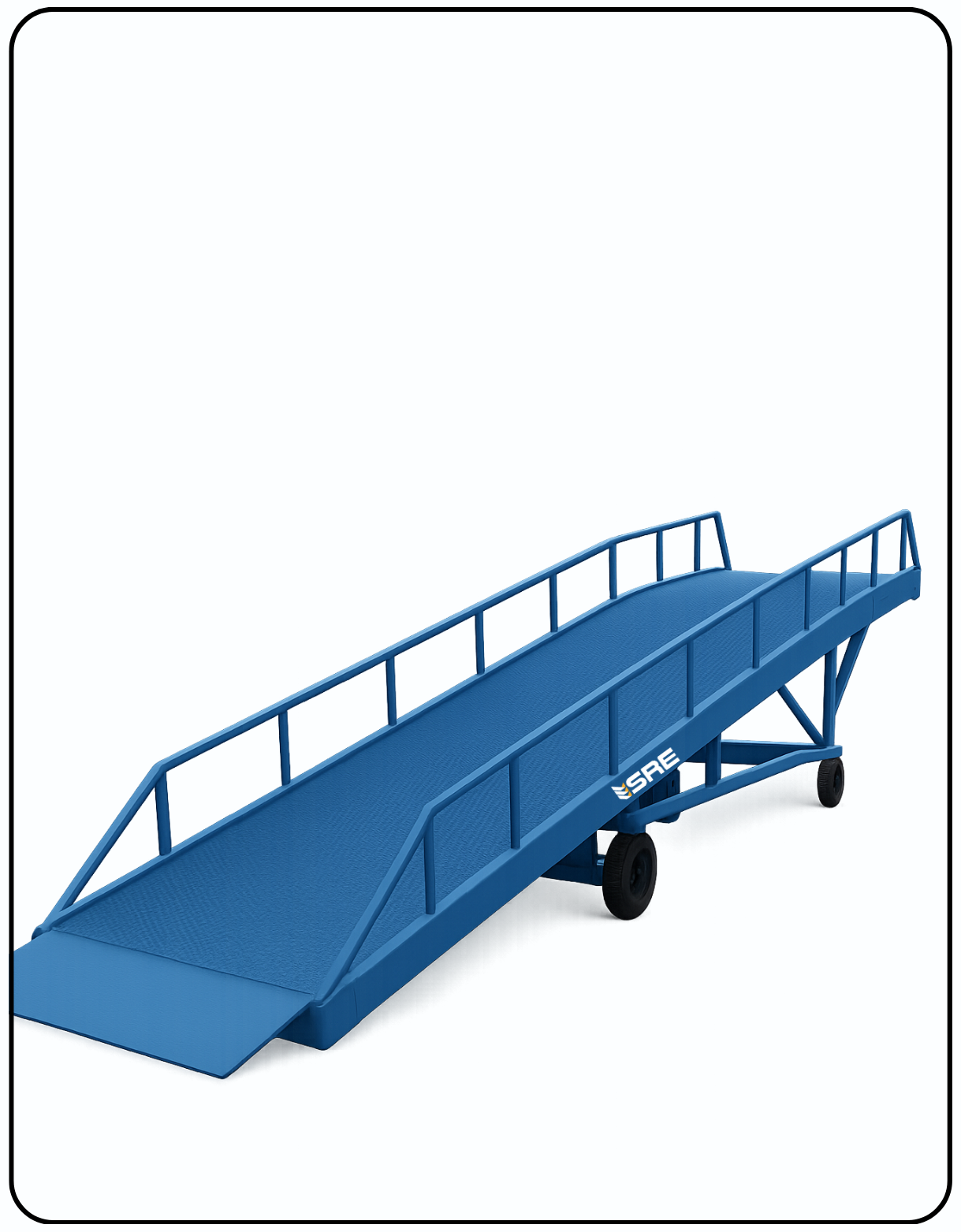
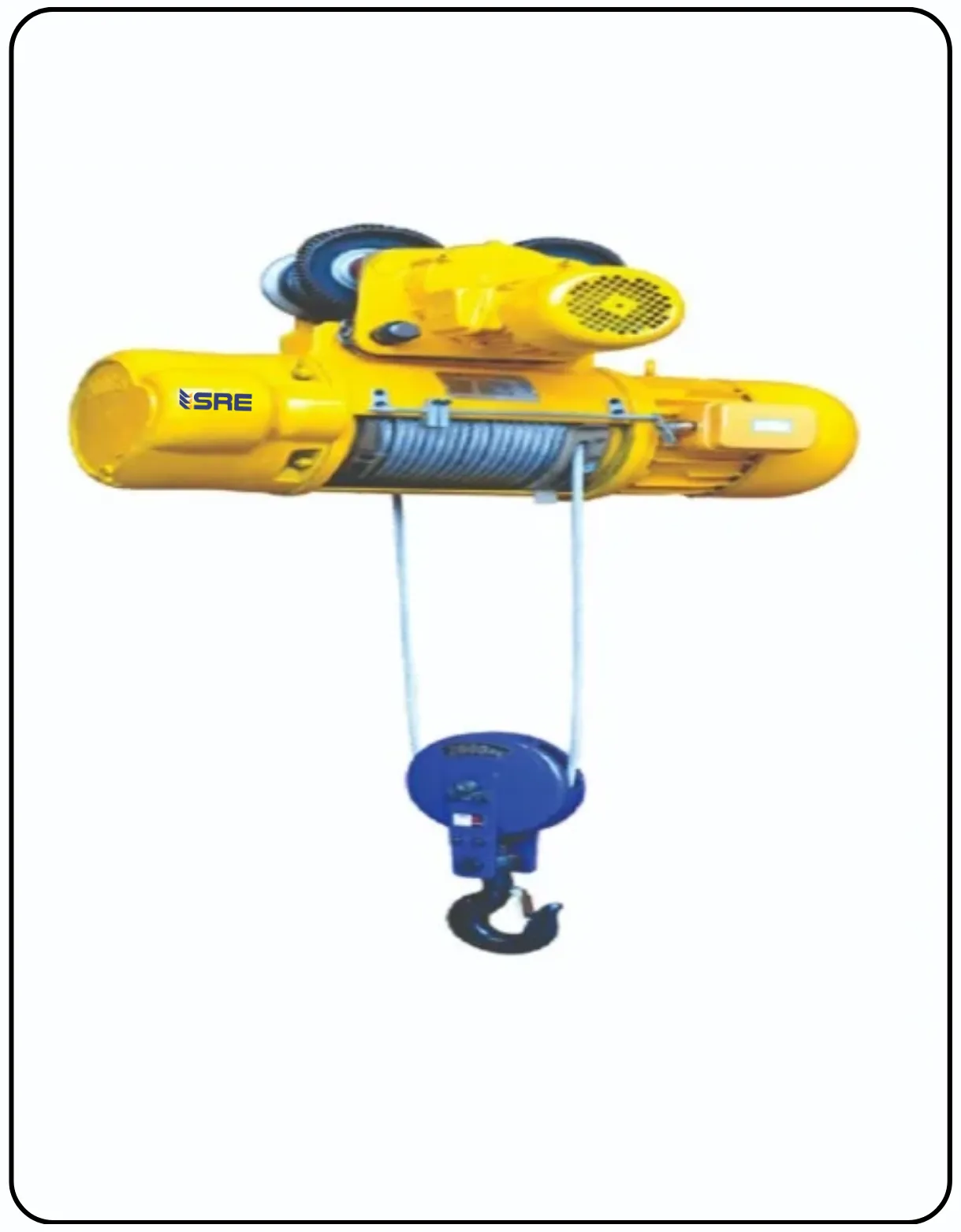
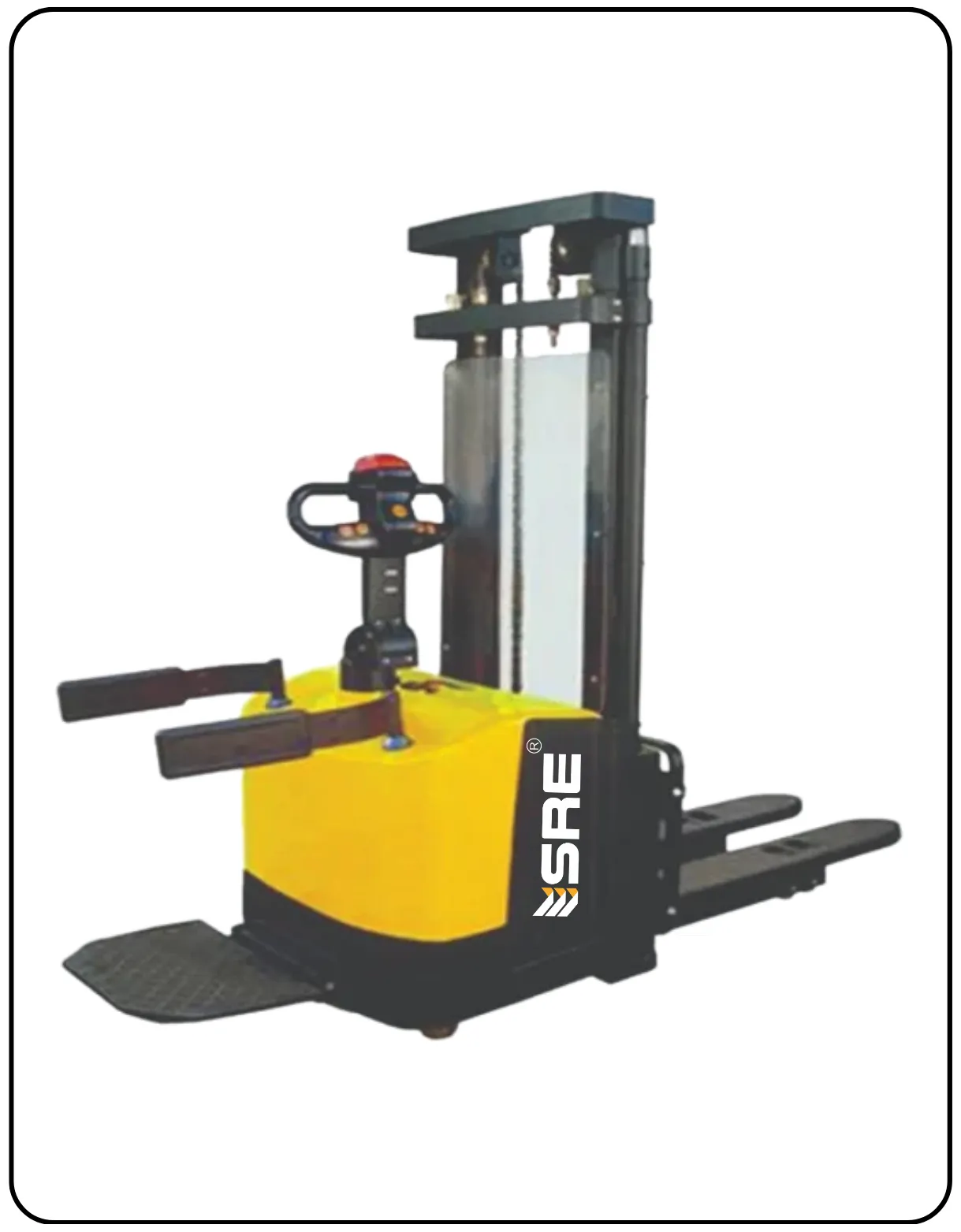
SRE Material Handling Equipment Pvt. Ltd.: Manufacturer, Supplier And Exporter Of Roller Scissor Lift Table in Gujarat.
SRE Material Handling Equipment Pvt. Ltd., Manufacturer And Supplier Of Roller Scissor Lift Table in Ahmedabad.
Our Manufacturing Unit is in Ahmedabad, Vadodara, and Rajkot, Gujarat, India.
Roller Scissor Lift Table in Ahmedabad: A Practical Guide for Modern Industrial Operations
Introduction
Warehouse and factory operations in India have changed dramatically in the last decade. Volumes are higher, delivery windows are tighter, and customers expect faster, more accurate service. At the same time, operations teams face constant pressure to control costs, reduce injuries, and keep productivity steady across shifts.
In daily warehouse operations, managers deal with three repeating problems: speed, safety, and worker fatigue. Manual handling still exists in many facilities, but it often slows down work and increases injury risk. Workers lift, pull, and position loads hundreds of times a day. Over time, this leads to fatigue, errors, and sometimes serious accidents.
The Changing Needs of Modern Warehouses / Industries
Warehouses today are no longer simple storage spaces. They are fast-moving operational hubs. Orders come in throughout the day. Goods move from receiving to inspection, packing, labeling, and dispatch in tight time frames.
Some common challenges operations teams report:
- Workers walking long distances just to move small loads
- Repeated bending and lifting causes fatigue by mid-shift
- Inconsistent output between morning and night shifts
- Bottlenecks at packing and dispatch points
- Higher absenteeism due to physical strain
These problems do not come from poor planning alone. They come from using tools that no longer match the speed and scale of today’s operations. Equipment must now support continuous flow, not stop-start manual handling.
What Is a Roller Scissor Lift Table?
A roller scissor lift table is a lifting platform with rollers built into its surface. The scissor mechanism raises and lowers the platform, while the rollers allow loads—such as cartons, crates, or pallets—to move smoothly across it.
In simple terms, it does two jobs at once:
- It lifts loads to a comfortable working height
- It allows goods to roll on and off easily
Instead of workers lifting boxes from floor level or dragging them across rough surfaces, they can move items at waist height with controlled, guided motion.
You will often see this equipment placed between:
- Conveyor lines and packing tables
- Production machines and inspection stations
- Storage racks and dispatch zones
It acts as a bridge between different parts of the workflow.
Why Roller Scissor Lift Table Is Replacing Traditional / Manual Equipment ?
Many warehouses still use fixed-height tables, wooden platforms, or even the floor for loading and unloading. These methods worked when volumes were low and labor was cheap. Today, they create more problems than they solve.
Manual methods usually mean:
- Workers bend and lift repeatedly
- Loads move slowly and unevenly
- Output depends heavily on individual strength
- Fatigue builds up quickly
A roller scissor lift table changes this pattern. Workers adjust the height to match their task. Loads roll instead of being lifted. The work becomes more consistent and less physically demanding.
Productivity Gains in Daily Operations
Small time savings repeated hundreds of times a day become big gains.
For example, in a packing area:
- Without a lift table, workers lift boxes from the floor, turn, and place them on a conveyor.
- With a roller scissor lift table, boxes are already at the right height and slide directly onto the line.
Each movement may save only a few seconds, but across thousands of cartons, this means:
- Faster order processing
- Shorter queues at dispatch
- Better use of labor hours
In daily warehouse operations, managers often see smoother flow between sections once lifting and rolling are combined into one step.
Improved Workplace Safety
Safety is not only about rules and training. It is also about giving workers the right tools.
Most warehouse injuries come from:
- Lifting heavy or awkward loads
- Twisting while carrying weight
- Working at uncomfortable heights
A roller scissor lift table reduces these risks by:
- Keeping loads at an ergonomic height
- Allowing sliding instead of lifting
- Controlling vertical movement
When workers do not have to strain their backs and shoulders, injuries drop. Over time, this also means fewer sick days, lower compensation costs, and better morale.
Handling Heavier Loads with Ease
As businesses grow, load sizes often increase. What used to be a 20 kg carton becomes a 40 kg crate. What used to move one pallet at a time now moves two or three.
Manual handling does not scale well with heavier loads. It slows down and increases risk.
A well-designed scissor lift table:
- Supports higher weight without shaking
- Keeps the load stable while lifting
- Allows controlled movement onto conveyors or trolleys
This means warehouses can handle growth without overloading their workforce.
Technology & Operational Efficiency
Most modern lift tables use hydraulic, electric, or battery-powered systems. The goal is simple: reliable lifting with minimal downtime.
From an operations point of view, what matters is:
- Consistent performance throughout the shift
- Simple controls that workers understand easily
- Low failure rates
When equipment works smoothly, supervisors spend less time managing breakdowns and more time improving workflow.
Good systems are built for industrial use, not occasional lifting. They are designed to run all day with basic maintenance.
Space Optimization & Maneuverability
Warehouse space is expensive. Every square meter must earn its place.
Roller scissor lift tables usually have a compact footprint. They can fit:
- Between conveyors
- In packing lines
- Near storage racks
Because they lift vertically rather than moving forward and backward, they use less floor space than ramps or long manual transfer tables.
In narrow-aisle layouts, this makes a real difference. Operations can grow without needing to redesign the entire floor plan.
Cost Efficiency Over Time
Many decision-makers focus first on purchase price. But the real cost is what happens over five or ten years.
Manual systems look cheap at the start. But they often lead to:
- Higher injury-related costs
- More worker fatigue and turnover
- Lower productivity during peak periods
A roller scissor lift table spreads its value over years of daily use:
- Fewer injuries and medical claims
- More stable output
- Better use of manpower
Over time, these operational savings often matter more than the initial investment.
Sustainability & Compliance
Modern industries are under pressure to operate responsibly. This includes:
- Reducing waste
- Using energy-efficient systems
- Following safety and labor standards
Lift tables that use efficient power systems and reduce manual strain support this mindset. They help companies show that they care about worker health and responsible operations.
Compliance is not only about audits. It is about building systems that naturally follow good practices.
Integration with Warehouse / Factory Workflow
A roller scissor lift table does not work alone. It becomes part of a larger system:
- Receiving → inspection → packing → dispatch
- Production → quality check → storage → shipment
Because its height is adjustable and its surface allows rolling, it can connect smoothly with:
- Conveyors
- Packing benches
- Trolleys and pallets
This makes material flow more predictable and easier to plan.
Training, Ease of Use & Maintenance
Equipment only adds value if people use it properly.
Most lift tables are simple to operate:
- Basic up and down controls
- Easy-to-understand safety features
- Minimal training time
Maintenance is usually predictable:
- Regular inspection
- Basic lubrication
- Occasional part replacement
When machines are simple, they stay in service longer and cause fewer interruptions.
Why Choosing a Reliable Manufacturer Matters ?
Not all equipment is built the same. The quality of materials, welding, hydraulics, and control systems affects long-term performance.
A reliable manufacturer usually offers:
- Clear load ratings
- Tested safety systems
- After-sales support
- Spare parts availability
For decision-makers, this means fewer surprises after installation. Good support matters just as much as good design.
Conclusion
Industrial operations in Ahmedabad and across India are moving faster every year. Higher volumes, tighter schedules, and stronger safety expectations mean that old manual methods are no longer enough.
The Roller Scissor Lift Table is not a fancy upgrade. It is a practical tool that solves everyday problems: lifting, transferring, and positioning loads in a safe and efficient way.
For warehouse owners, factory managers, and operations heads, the real value lies in steady output, safer workers, and smoother workflows. Equipment that supports these goals becomes part of long-term operational success.
Key Takeaways
- Productivity: Faster movement of goods and consistent output across shifts
- Safety: Reduced strain, fewer lifting injuries, better ergonomics
- Load Handling: Stable handling of heavier and bulkier loads
- Cost Efficiency: Long-term savings through lower injuries and downtime
- Industry Trend: Growing use of lift-and-roll systems in modern warehouses
Trending F&Q
Q1. Where is a roller scissor lift table mostly used?
It is commonly used in warehouses, factories, packing stations, dispatch areas, and production lines where goods move between different heights.
Q2. Can it handle heavy industrial loads?
Yes, industrial models are designed to handle heavy and bulky loads safely when used within their rated capacity.
Q3. Is training required to use it?
Only basic training is needed. Most systems use simple up-down controls and safety features.
Q4. Does it save space compared to ramps or manual tables?
Yes, vertical lifting takes less floor space than long transfer ramps or large fixed platforms.
Q5. Is it suitable for small warehouses?
Even small operations benefit from reduced lifting strain and smoother material flow.
Contact us today for reliable industrial lifting solutions. Call +91 9316 208879 or email sremhepvtltd2025@gmail.com