SRE Material Handling Equipment Pvt. Ltd. – Leading Chain Block and Electric Hoist Manufacturer and Supplier in India Including Locations Gujarat, Ahmedabad, Baroda, Rajkot and Pune
Chain Block and Electric Hoist Manufacturer, Supplier
In everyday warehouse and factory tasks, working high up is unavoidable. Installing heavy machinery, setting dies, servicing overhead gear, or moving items to higher shelves often creates practical issues—unsteady loads, injuries from manual lifting, restricted command, and reliance on numerous personnel. These complications heighten hazards, slow output, and increase pressure to meet safety rules.
A Chain Hoist and an Electric Hoist are made to handle these situations precisely. By providing managed upward movement with predictable load behaviour, these setups help industrial teams operate safely and effectively when height is part of the work. For executives seeking a Reliable
Chain Hoist and Electric Hoist Manufacturer, dependability and how well it fits the work matter more than slick marketing or labels.
What Are a Chain Hoist and an Electric Hoist?
A
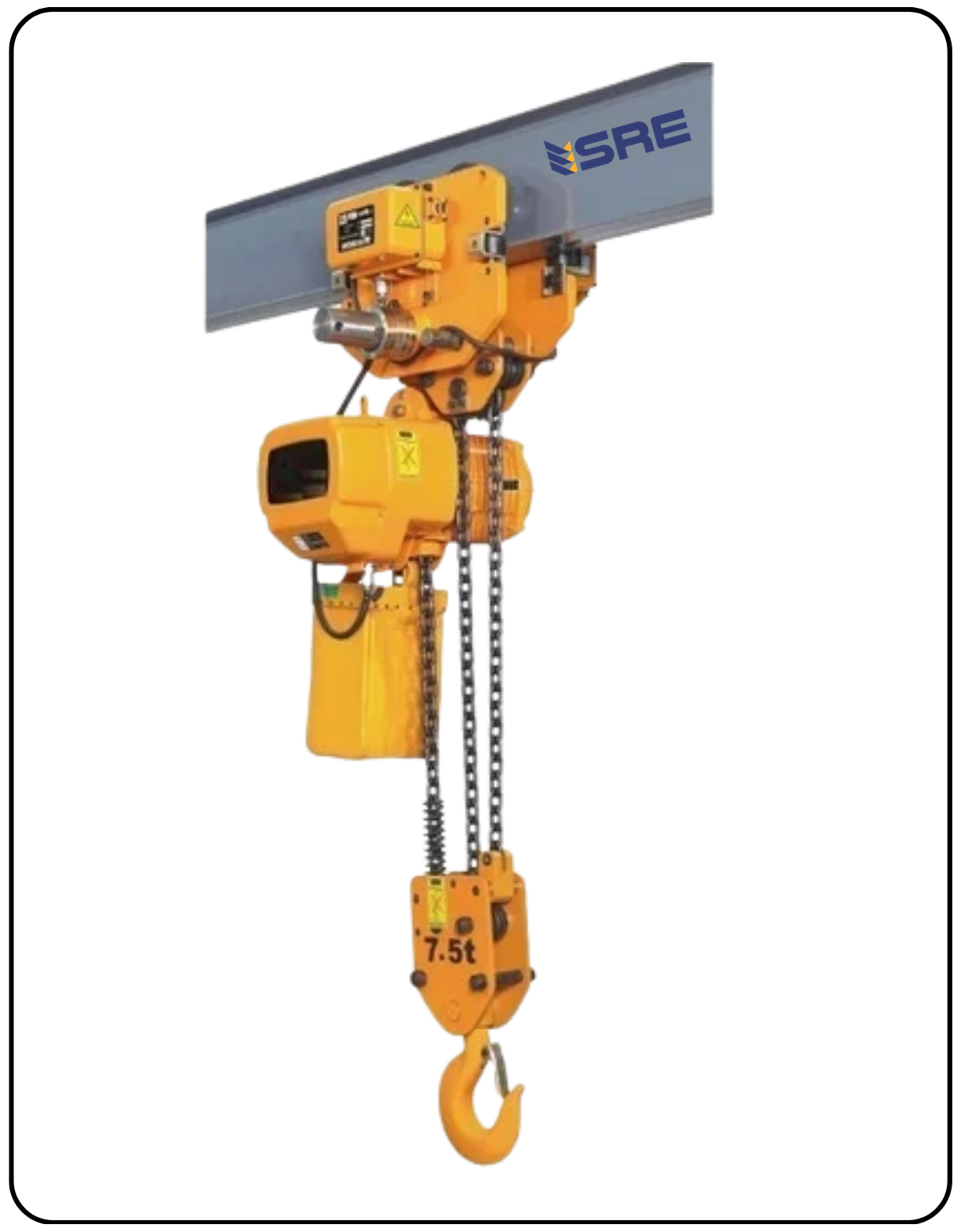
Chain Hoist and an Electric Hoist are mechanical lifting tools used to lift, lower, and position heavy weights vertically with precision and control.
- Chain Hoist (Manual Lift): Operated by turning a hand chain. It uses gearing to amplify force, enabling users to lift heavy loads with minimal physical strain. Best for places with limited power or infrequent use.
- Electric Hoist: Driven by an electric motor, providing a steady lifting speed and less operator strain. Suitable for repeating lifts, heavier usage rates, and linking with cranes, gantries, or single-rail systems.
Both systems are typically fitted onto overhead beams, cranes, or frameworks and are vital instruments for safe material movement in industrial settings.
Uses for Chain Hoists and Electric Hoists in Industry
In actual plant functions, lifting needs differ across sectors. Typical uses include:
- Warehousing: Loading and unloading pallets, machine parts, and weighty boxes onto shelving or vehicles
- Production Facilities: Placing dies, moulds, engines, and assembled units during making or upkeep
- Building & Infrastructure: Handling structural pieces and gear during setup
- Support Tasks: Safely taking out and putting back heavy elements when elevated
- Connected Setups: Used alongside gear like Electric Stacker and Drum Handling Equipment to aid vertical and horizontal item flow
For site staff, choosing the right hoist involves matching lifting capacity, usage frequency, and the surrounding area.
Available Kinds and Designs
As a Manufacturer of Chain Hoists and Electric Hoists, different setups are built to match diverse operational demands:
- Manual Chain Hoists: Small, need little upkeep, suitable for occasional use
- Electric Chain Hoists: Single-speed or dual-speed versions for delicate handling
- Restricted Height Hoists: Made for areas where space above is limited
- Crane-Attached Hoists: Linked with Overhead Traveler cranes or single-rail systems
- Custom Power Models: Adjusted weight limits based on job needs
Selecting the right kind improves safety and lessens strain on operations over time.
Main Features and Technical Benefits
- Rated carrying capacities set for industrial demands
- Toughened load chains to resist wear
- Accurate gear mechanisms for smooth lifting
- Compact shape for tight spaces
- Steady control when lifting and lowering
These aspects directly support stable functioning and predictable results.
Safety Features and Adherence Criteria
Safety is essential when lifting loads off the ground. A properly engineered Chain Hoist and Electric Hoist includes:
- Mechanical load restraints to stop sudden drops
- Overload protection systems (for electric types)
- Covered gear casings to shield inner parts
- Emergency off switches on powered units
- Compliance with relevant industrial safety benchmarks
These safeguards help factories and storage facilities meet internal safety requirements and official requirements.
Our Strength as a Manufacturer
As a Top
Manufacturer of Chain Hoists and Electric Hoists in Gujarat,
SRE MATERIAL HANDLING EQUIPMENT PRIVATE LIMITED concentrates on solutions based on engineering rather than generic goods.
Our strength lies in:
- Consistent material quality and controlled manufacturing processes
- Engineering staff with real-world site know-how
- Support for choosing gear based on the specific task
- Post-sale help and technical guidance
- Proven installs across various industrial sites
We function as a
Chain Hoist and Electric Hoist Manufacturer in Ahmedabad, supporting clients across sectors as a trusted
Chain Hoist and Electric Hoist Manufacturer and Supplier in Gujarat.
Business Gains for Industrial Operations
From a management view, the advantages go beyond just lifting:
- Better Safety: Less manual handling and risk of incidents
- Greater Throughput: Quicker, managed lifting cycles
- Steady Operations: Predictable movement of loads
- Expense Control: Reduced downtime and issues related to upkeep
- Staff Effectiveness: Less physical stress on operators
These results support both operational and financial goals.
Upkeep and Longevity Overview
How long it lasts relies on proper use and routine checks. Our hoists are built for extended service with:
- Simple points needing lubrication
- Easily reachable parts are subject to wear
- Clear upkeep instructions
- Support for spare parts and service
Regular reviews ensure steady operation and limit sudden breakdowns.
Common Inquiries (FAQs)
- What capacity Chain Hoist and Electric Hoist should I select?
Capacity depends on the heaviest load, how often you lift, and the required safety allowances.
- Is an electric hoist superior to a manual chain hoist?
Electric hoists are better for frequent lifting, while chain hoists are best for low-frequency tasks or areas lacking power
.
- Can these hoists be linked with cranes or structures?
Yes, they are commonly mounted on cranes, gantries, and beams.
- How frequently must maintenance happen?
Visual checks should be frequent; deep servicing relies on how much the unit is used.
- Are safety approvals given?
Products are manufactured to meet required industrial safety standards.
Ask for a Technical Talk or Cost Estimate
If your work involves regular lifting while elevated and you require dependable, task-specific gear, get in touch with
SRE MATERIAL HANDLING EQUIPMENT PRIVATE LIMITED. Our team supports you from selection through setup and ongoing use.
Website:
https://www.sremhepvtltd.com/ Reach out for details, diagrams, or a custom cost estimate.