
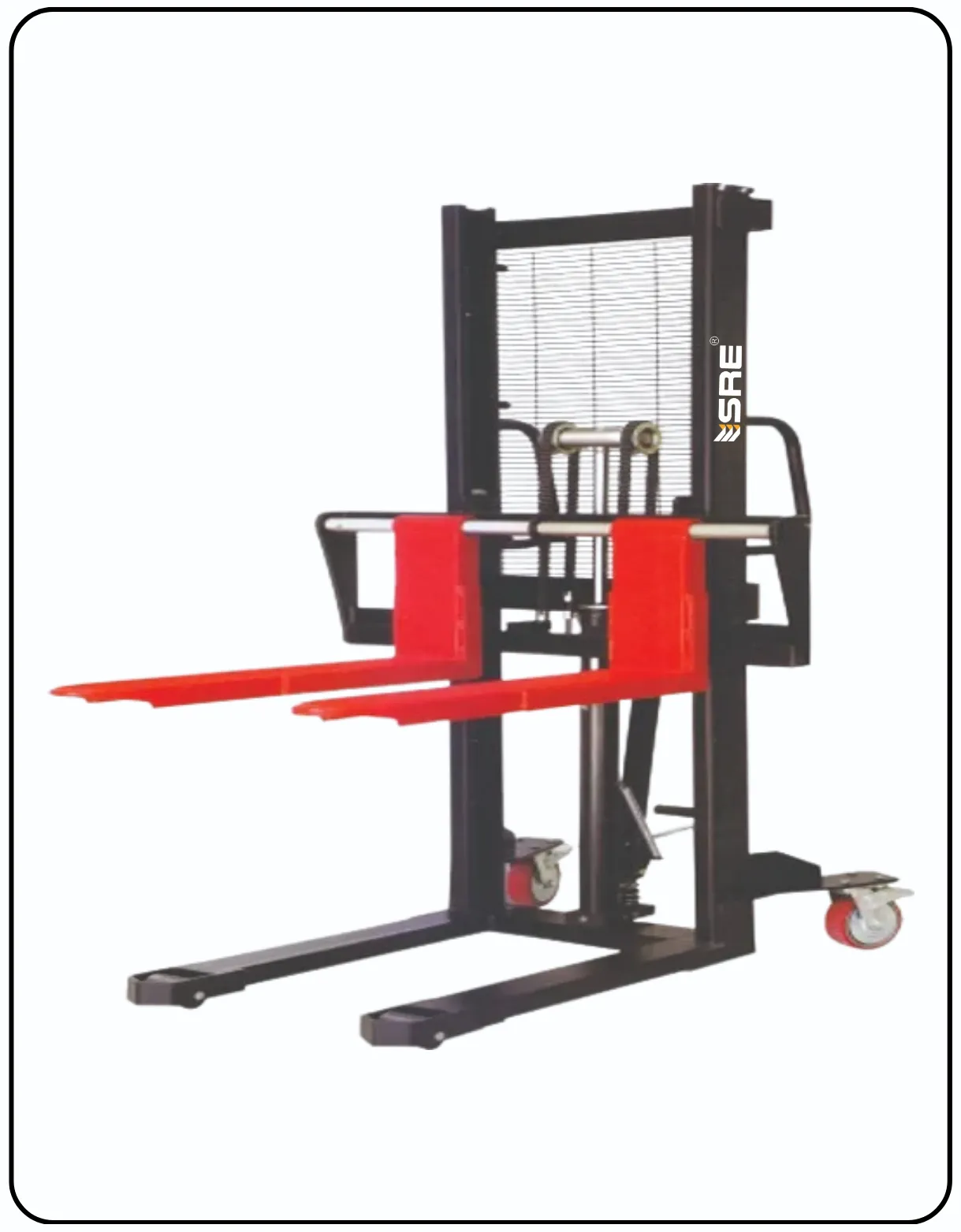
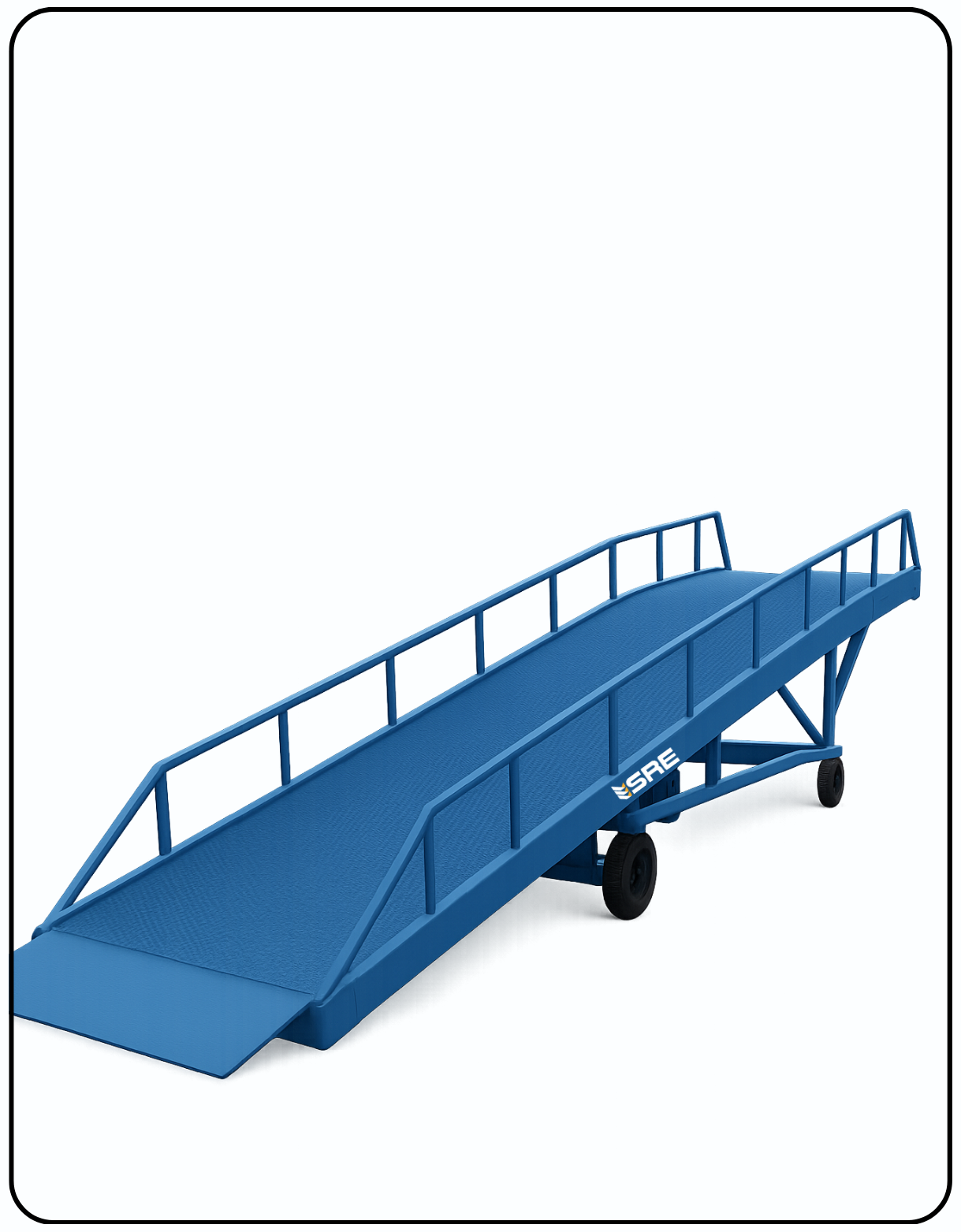
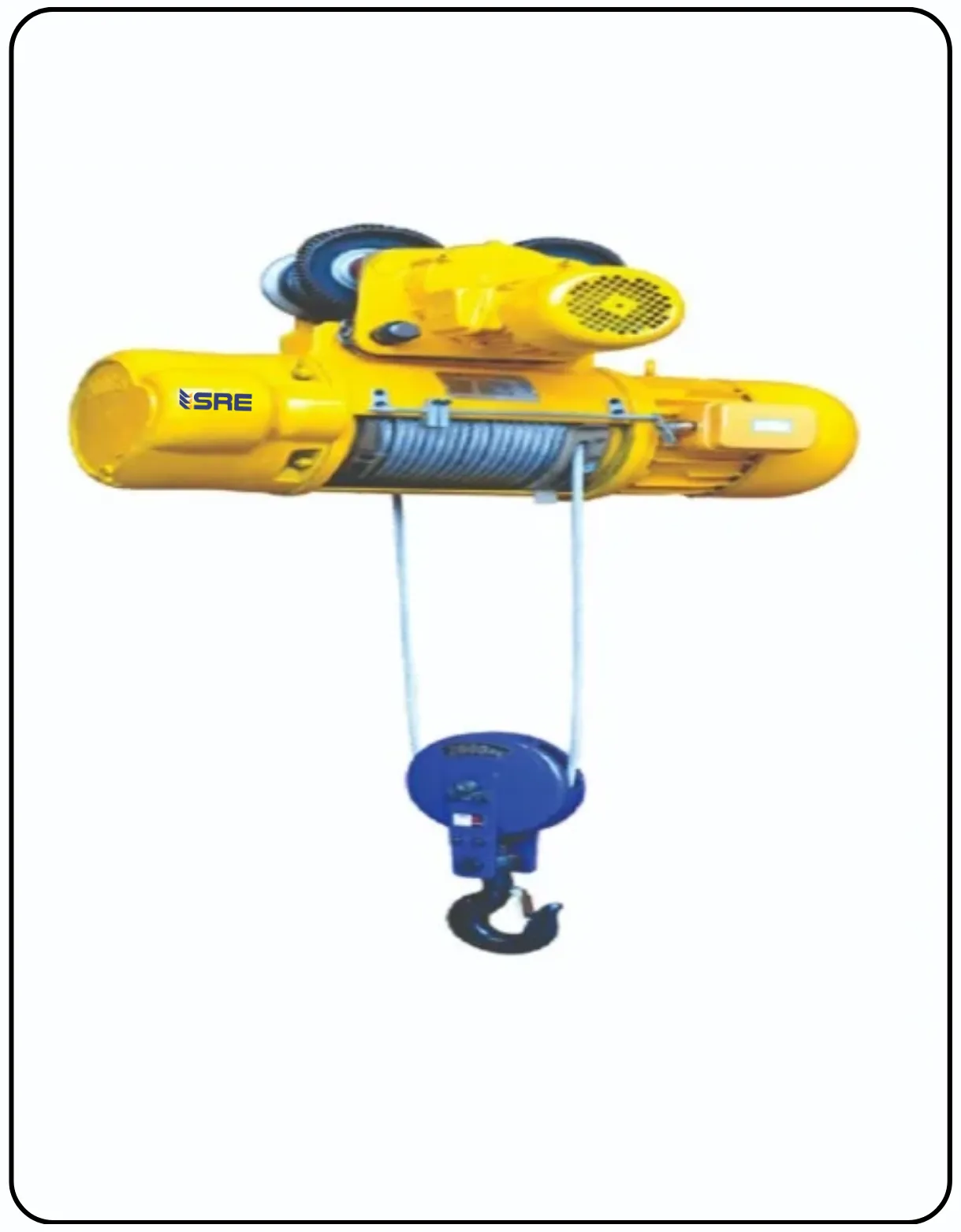
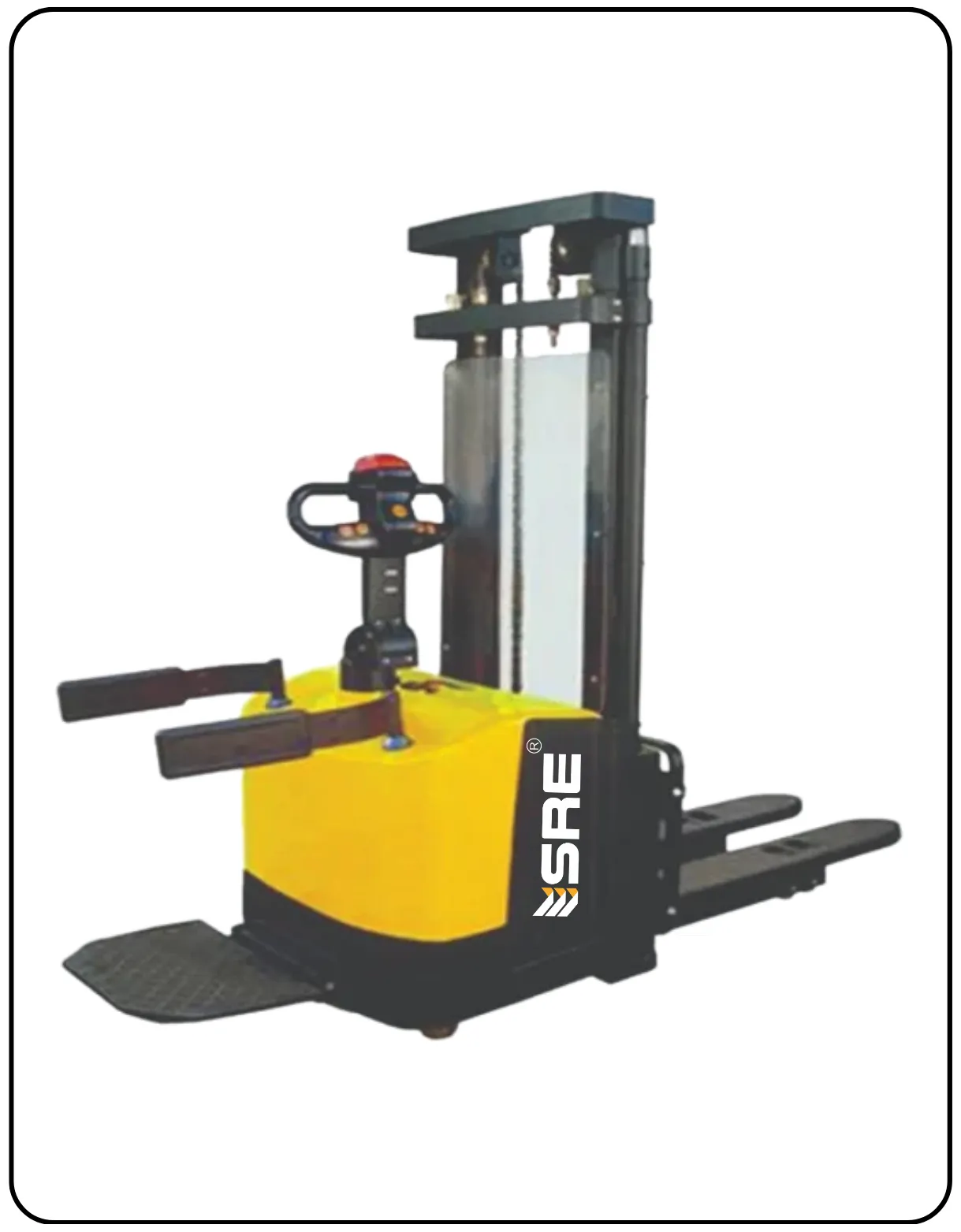
SRE Material Handling Equipment Pvt. Ltd.: Manufacturer, Supplier And Exporter Of Manual Stacker in India.
SRE Material Handling Equipment Pvt. Ltd., Manufacturer And Supplier Of Manual Stacker in Pune.
Our Manufacturing Unit is in Ahmedabad, Vadodara, and Rajkot, Gujarat, India.
Manual Stacker in Pune: A Practical Guide for Warehouse & Industrial Leaders
In today’s fast-paced industrial landscape, operational efficiency and safety are no longer options; they are essentials. From bustling warehouses in Pune’s industrial belts to high-throughput factory floors, the burden on internal logistics teams has increased steadily. Warehouse managers, operations heads, supply-chain professionals, and procurement decision‑makers face daily pressure to handle larger volumes more quickly and with fewer errors, all while ensuring workplace safety.
In daily warehouse operations, speed, reliability, and worker well-being matter. Long hours of manual lifting, shifting, and stacking not only slow down throughput but also contribute to fatigue‑related mistakes and injuries. This is where a Manual Stacker becomes more than a piece of equipment; it becomes a practical solution to real operational challenges.
In this blog, we’ll explore why a Manual Stacker is increasingly becoming a mainstay in Pune’s warehouses and industrial facilities, how it directly supports productivity and safety, and what to consider when evaluating one for your facility.
The Evolving Needs of Modern Warehouses and Industrial Facilities
Warehouses and factories are experiencing unprecedented operational pressure. The rise of e-commerce, tighter delivery windows, and seasonal peaks mean that businesses must handle more goods more quickly, often with the same or fewer staff.
These repetitive tasks have real consequences:
- Slower throughput manual handling takes time, especially during peak shifts.
- Higher error rates, fatigue impacts judgment and handling accuracy.
- Greater safety risk: heavy lifting leads to sprains, strains, and other injuries.
Warehouse owners consistently tell us that the real challenge is balancing throughput with safety and consistency, not just moving products, but doing it predictably over long workdays.
What Is a Manual Stacker?
At its core, a Manual Stacker is a material‑handling device designed to lift, lower, and transport pallets or goods within a facility. Unlike fully automated or powered forklifts, a Manual Stacker relies on human operation for movement and often for lifting action via a mechanical lever or hydraulic pump.
In practical terms, a Manual Stacker allows a warehouse associate to:
- Move stacked goods across short distances
- Raise or lower loads onto racks or platforms
- Operate in tighter spaces than larger powered forklifts
It is not a textbook definition that matters here, but how the equipment functions in a real shift: intuitive handling, predictable control, and ergonomic support for repetitive tasks.
Why Manual Stackers Are Replacing Traditional Manual Methods
Many facilities still rely on basic tools like hand pallet jacks or sheer muscular effort for lifting tasks. These methods might work for sporadic moves, but they quickly reach their limits when volume grows.
Here’s how a Manual Stacker changes that dynamic:
- Reduced fatigue: the stacker’s mechanical assistance decreases the physical exertion required.
- Unlike manual lifting, stackers maintain a predictable lifting height and control.
- With better posture & ergonomics, operators can move loads without bending or twisting awkwardly.
In contrast to basic pallet jacks, Manual Stackers integrate lifting capability with transport, eliminating the need for multiple tools or repeated actions for the same job.
Productivity Gains in Daily Operations
One of the first things warehouse supervisors notice when introducing a Manual Stacker is time savings. Workflows that used to require two people, one to lift and one to maneuver, can often be handled safely by a single trained operator with a stacker.
In everyday terms:
- A manual stacker can lift a loaded pallet to rack height in a few pump strokes instead of multiple repositionings.
- Shifts with consistent stacker use see reduced backlog during peak hours.
- Shift handovers become smoother because operators use standardized handling equipment rather than varied manual methods.
Repeatable motions lead to repeatable times. When throughput counts and deadlines matter, as they do in distribution centers, reducing motion bottlenecks matters more than marginal speed gains.
Improved Workplace Safety
In Pune’s industrial ecosystem, safety compliance isn’t simply a regulatory checkbox tied directly to operational continuity. Workplace injuries lead to lost man‑hours, potential compliance penalties, and decreased morale.
Manual Stackers enhance safety in several practical ways:
- Controlled movement operators guide loads with clear lines of sight and stable platforms.
- Ergonomic handling reduces bending, lifting, and awkward posture, which means fewer musculoskeletal injuries.
- Predictable load engagement, unlike ad‑hoc lifting, stackers cradle loads consistently.
For example, in a facility where employees previously lifted moderate loads multiple times per shift, introducing stackers significantly reduced reported strains and time lost to soreness. That translates into real labor continuity and fewer interruptions in the daily schedule.
Handling Heavier Loads with Control
Modern warehouses are storing higher cubic volumes and heavier loads than ever before. Whether it’s a stack of components waiting for assembly or bulk packaged goods ready for dispatch, the need to lift 300–1,000 kg loads with stability is common.
A Manual Stacker provides:
- Superior stability, broad wheelbases, and controlled lift mechanisms keep loads secure.
- Adjustable height control, precise lift levels for shelving or truck loading.
- Ease of positioning operators can maneuver into tight spots without risking load shift.
In daily practice, this means less time readjusting loads and fewer near‑misses with shelving or racking systems.
Mechanical Advantages for Operational Uptime
While Manual Stackers don’t require batteries or fuel like powered forklifts, they still incorporate a smart mechanical design that enhances uptime and reliability.
Key advantages include:
- Hydraulic lift systems provide smooth and consistent lifting without requiring power sources.
- Low maintenance requirements and simple mechanics mean fewer breakdowns and lower servicing costs.
- Long service life, robust build quality suited for daily industrial use.
For operations managers, this translates into equipment that stays in service and doesn’t demand constant attention, a predictable asset rather than a frequent headache.
Space Optimization and Maneuverability
Not all facilities in Pune enjoy expansive floor plans. Many warehouses operate with narrow aisles, dense racking, and constrained maneuvering spaces, especially in urban industrial districts.
Manual Stackers contribute to:
- Better space utilization, compact footprint allows operations in narrower aisles than a forklift might manage.
- Tighter turning radius improved navigation where space is at a premium.
- Flexible positioning stackers adapt to changing layouts without requiring complex operator skills.
In practical workflows, this means faster shelf access, fewer repositioning moves, and reduced risk of collisions with racking or infrastructure.
Cost Efficiency Over Time
When evaluating any piece of material‑handling equipment, it’s essential to look beyond upfront price. Total cost of ownership includes maintenance, downtime, training, labor savings, and risk mitigation.
Manual Stackers offer cost efficiency in several ways:
- Lower capital investment compared with powered machinery
- Minimal energy cost (no fuel or battery charging needed)
- Reduced injury‑related costs
- Simplified maintenance
A facility that uses Manual Stackers consistently often sees these efficiencies accumulate over months and years, not just days.
Sustainability and Compliance
Modern industrial operations increasingly prioritize sustainability and compliance. While Manual Stackers are not high‑technology devices, they align with cleaner, lower‑impact material handling:
- Zero emissions during operation
- Quiet function, reducing noise pollution on the floor
- Simpler lifecycle sustainability compared to powered alternatives
Additionally, adherence to workplace safety norms becomes easier when operators use equipment designed to reduce manual strain and predictable load movement.
Integration with Warehouse / Factory Workflow
Introducing a Manual Stacker into a well‑structured operational system shouldn’t disrupt existing workflows; it should enhance them.
In practical integration:
- Stackers become part of pick‑to‑rack and rack‑to‑dock movements
- Shift supervisors schedule stacker usage alongside order batching
- Inventory and material movement tracking remain consistent
For example, in a fast‑moving inventory environment with frequent rack replenishment, stackers help maintain rhythm rather than interrupt it.
Training, Ease of Use & Maintenance
An often‑overlooked advantage of Manual Stackers is their accessibility. Unlike complex powered equipment, which requires certified operators and significant training time, stackers typically require:
- A short orientation session (often a few hours)
- Basic safety training
- Routine visual checks before shifts
Maintenance routines are equally straightforward: lubrication, periodic hydraulic checks, and inspections for wear points- tasks that internal maintenance teams can handle without external subcontracting.
Why Choosing a Reliable Manufacturer Matters
Not all Manual Stackers are created equal. In real industrial environments, quality and service support matter:
- Consistent build quality ensures uptime and longevity
- Spare parts availability reduces downtime when service is needed
- After‑sales support, practical assistance when workflows depend on the equipment
When selecting a supplier, evaluate their experience in industrial material handling, familiarity with your sector challenges, and ability to support lifecycle maintenance, not just sell a product.
For decision‑makers in Pune and across India, choosing a partner with demonstrated expertise in industrial logistics equipment enhances long‑term reliability.
Check offerings and specifications from trusted industry suppliers such as SRE MATERIAL HANDLING EQUIPMENT PRIVATE LIMITED at https://www.sremhepvtltd.com/ to explore options that align with your operation’s scale and workflow requirements.
Conclusion
For warehouse owners, factory managers, and supply‑chain leaders, the pressure to improve productivity while safeguarding workers is a daily reality. A Manual Stacker may not be the flashiest piece of industrial equipment, but in practical, everyday operations, it plays a significant role.
From reducing operator fatigue and improving safety to increasing throughput and optimizing space, stackers deliver measurable improvements without adding complexity.
If your facility is evaluating material‑handling upgrades, consider how a well‑chosen Manual Stacker can align with your workflow, workforce capabilities, and long‑term operational goals.
Key Takeaways
- Productivity: Manual Stackers streamline lifting and movement tasks, reducing cycle times.
- Safety: Ergonomic design supports reduced injuries and controlled material handling.
- Load Handling: Stackers offer stable, predictable lifting for medium to heavy loads.
- Cost Efficiency: Lower ownership costs and maintenance make stackers financially sensible.
- Workflow Integration: Easy to adopt into existing operations without major training demands.
Trending FAQs
Q1: Are Manual Stackers suitable for high‑volume warehouses?
Yes, they are practical for medium‑to‑high throughput when paired with efficient workflows.
Q2: How do Manual Stackers improve worker safety?
By reducing physical strain and providing controlled lifting mechanisms.
Q3: What maintenance do Manual Stackers need?
Routine hydraulic checks, lubrication, and visual inspections before use.
Q4: Can operators use Manual Stackers in narrow aisles?
Absolutely, their compact design supports tight‑space maneuverability.
Get in touch with SRE MATERIAL HANDLING EQUIPMENT PRIVATE LIMITED today. Call +91 9316 208879 or email sremhepvtltd2025@gmail.com
#ManualStacker #WarehouseEfficiency #MaterialHandling #IndustrialEquipment #SafetyInOperations #SupplyChainSolutions #SREMaterialHandlingEquipmentPrivateLimited #PuneIndustry #WarehouseOperations #LogisticsEquipment