
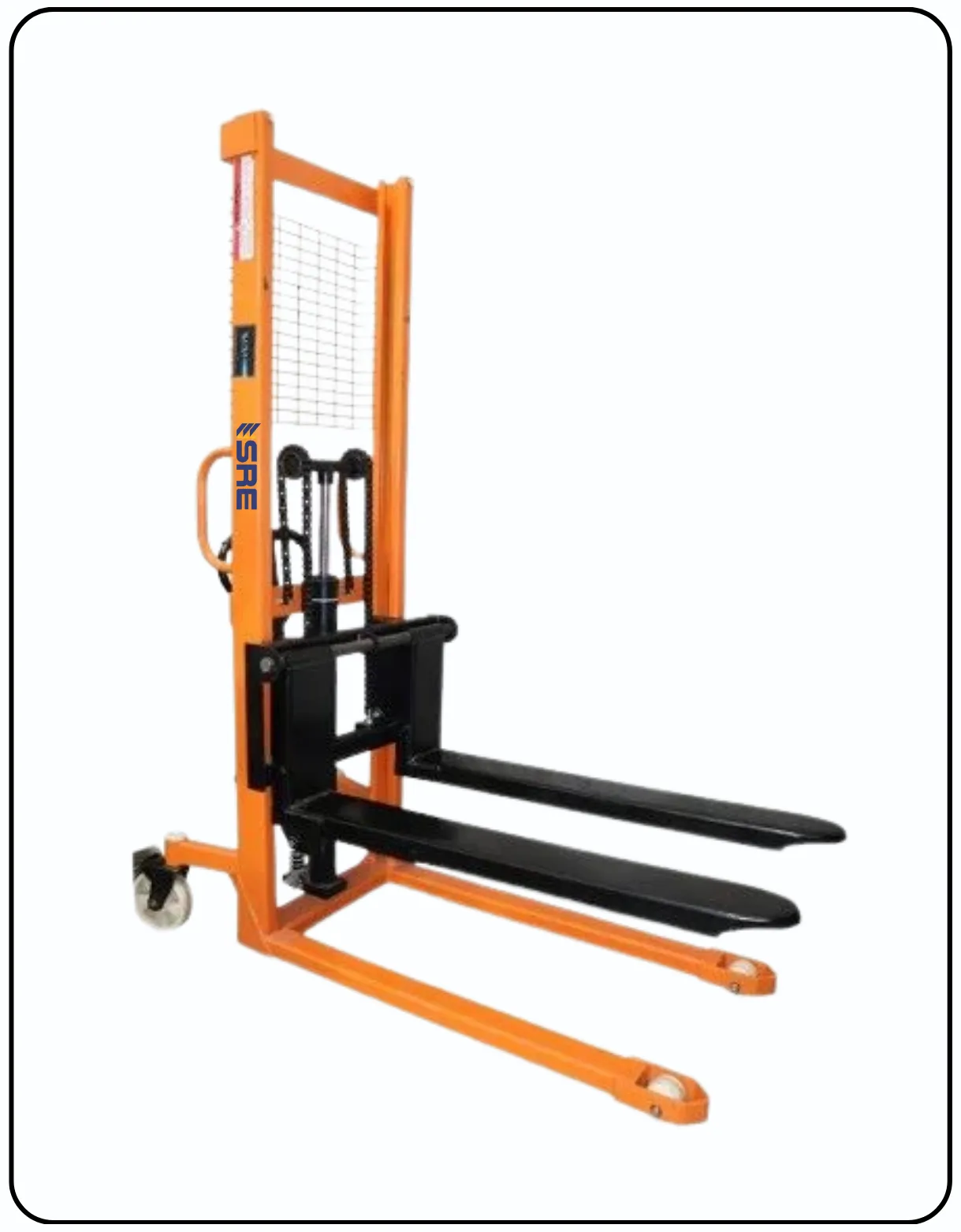
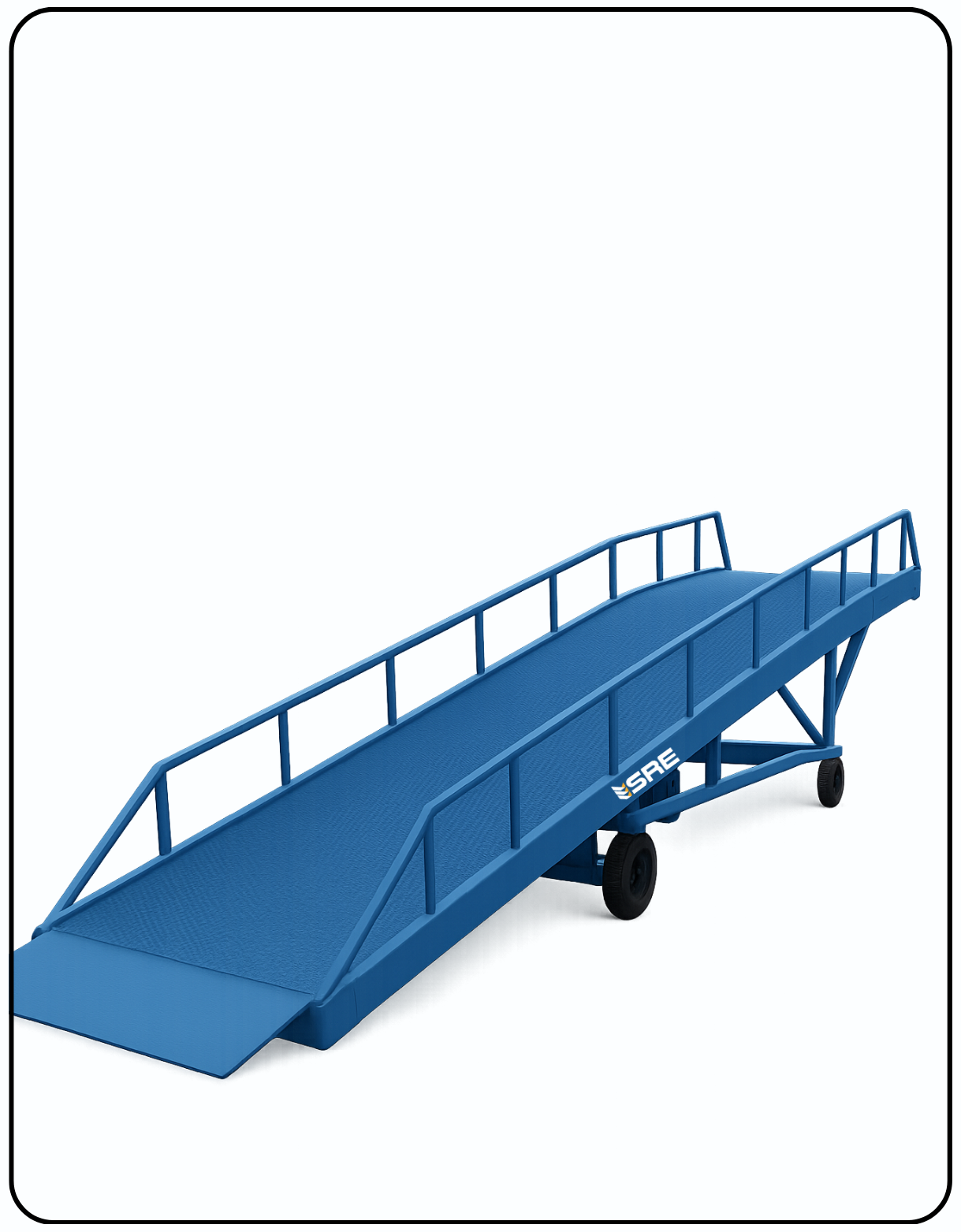
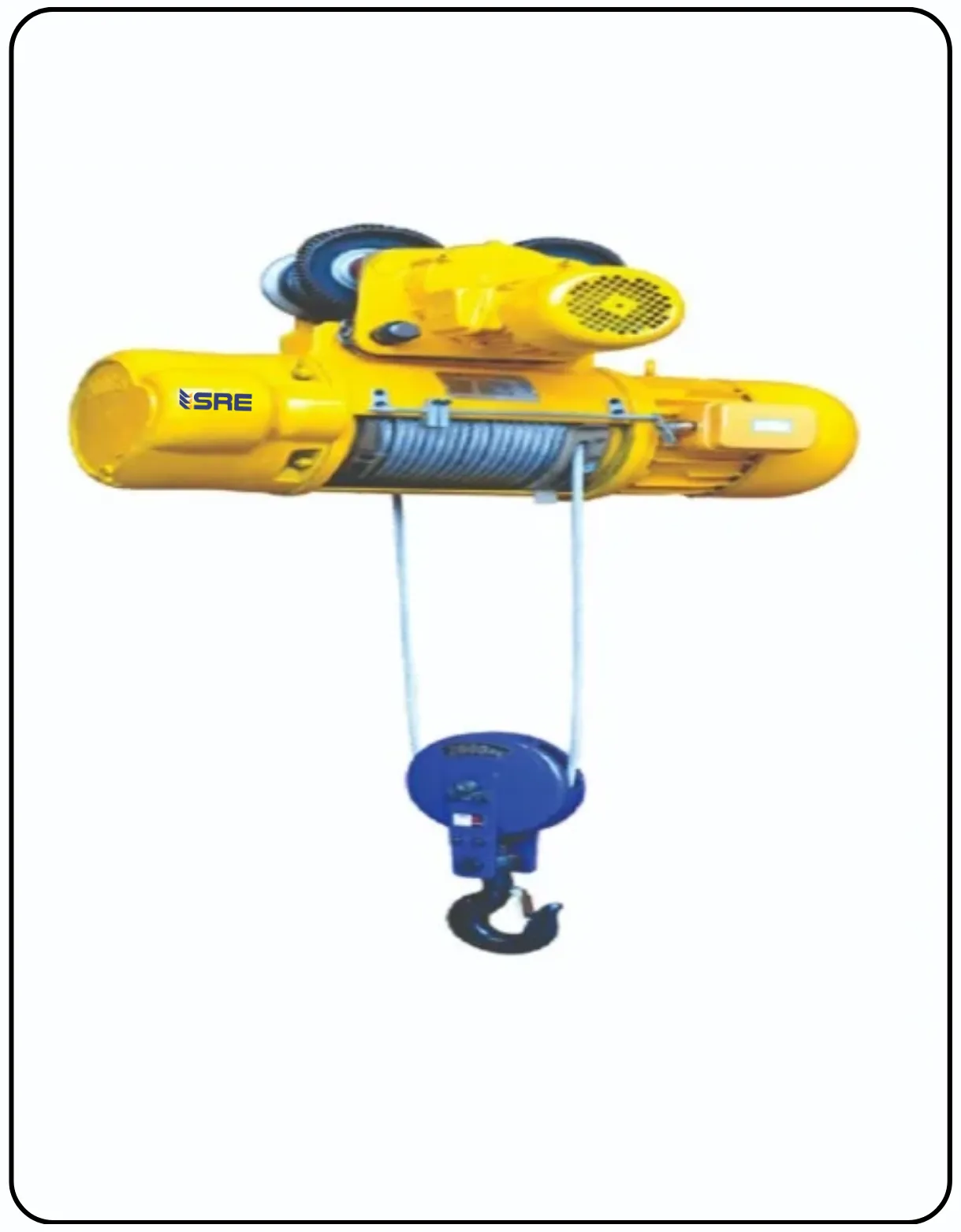
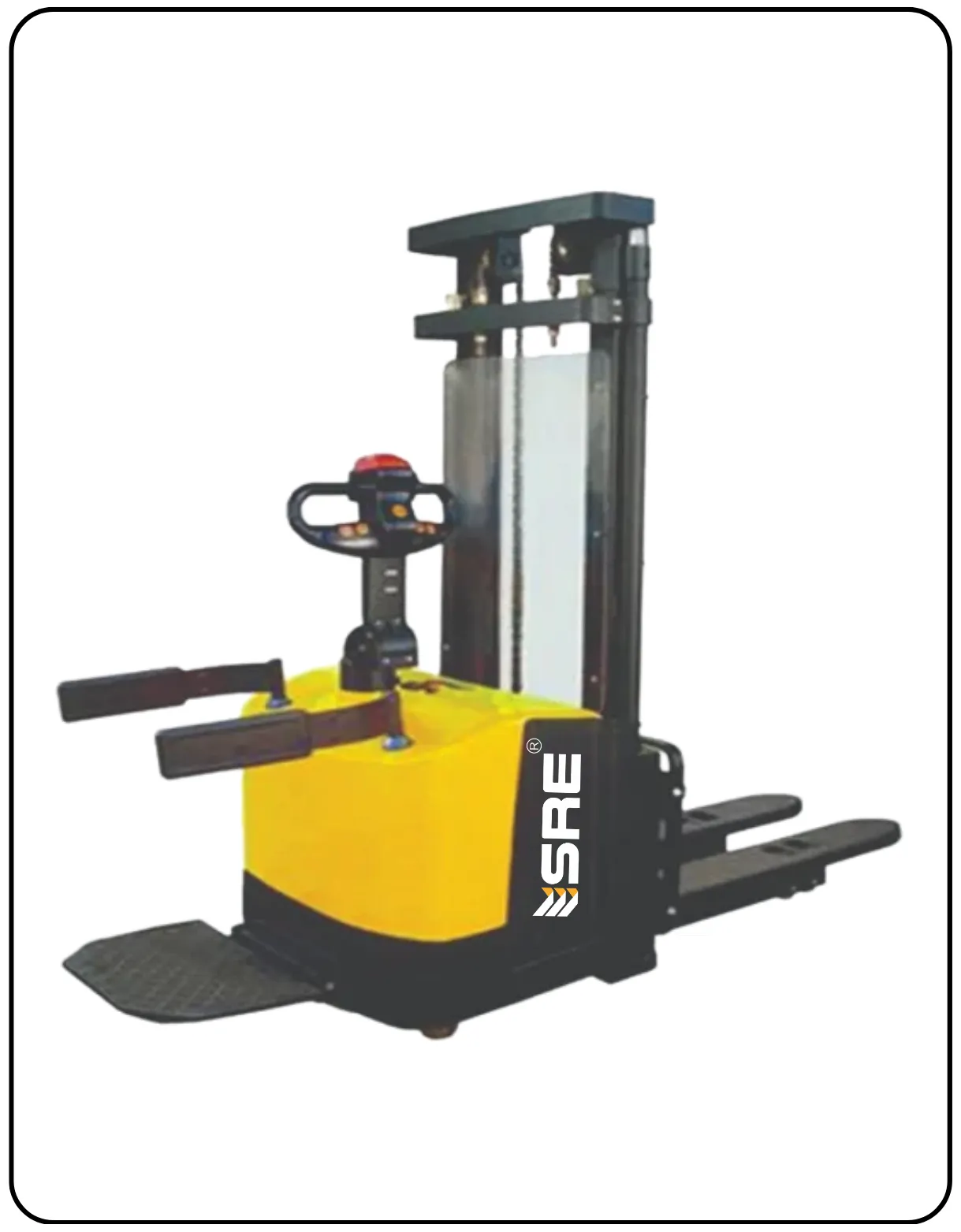
SRE Material Handling Equipment Pvt. Ltd.: Manufacturer, Supplier, And Exporter Of Hydraulic Stacker in India.
SRE Material Handling Equipment Pvt. Ltd., Manufacturer And Supplier Of Hydraulic Stacker in Chakan.
Our Manufacturing Unit is in Ahmedabad, Vadodara, and Rajkot, Gujarat, India.
Hydraulic Stackers in Chakan: A Simple Material Moving Answer for Today’s Factories
Introduction
How warehouses and factories operate has dramatically shifted over the past 10 years. Sites in manufacturing centres like Chakan are managing larger quantities, tighter delivery windows, and more intricate internal transport than ever before. At the same time, safety rules are stricter, finding trained staff is tougher, and the demand for better output keeps growing.
In everyday storage tasks, problems like strain from hand-lifting, uneven handling pace, and limited space directly affect how much gets done and how safe things are. This is where a Hydraulic Stacker offers a sensible, dependable solution. Instead of replacing staff, it assists them—lessening physical stress while ensuring more uniform and managed ways to move goods.
This article will examine how a Hydraulic Stacker in Chakan fits into actual factory processes, focusing on its real operational value rather than just sales talk.
The Evolving Demands of Modern Industrial Sites
Industrial sites today are constantly pushed to be quicker with fewer interruptions. Increased production, tight stockholding, and frequent order shipments have changed how internal movement works.
Frequent issues seen across storage and manufacturing include:
- More moving of pallets between production, storage, and shipping
- Narrow pathways are necessary to maximise floor space
- Repetitive lifting tasks that tire out workers
- Varying ways of handling goods between different work shifts
In places running multiple shifts, even minor slowdowns add up. Gear that helps maintain steady, repeatable performance has become crucial, especially in areas like Chakan, where the automotive, engineering, and supplier industries operate on a large scale.
What Exactly Is a Hydraulic Stacker?
A Hydraulic Stacker is a lifting tool, moved manually or with a bit of power, built to raise, shift, and put down pallet loads at set heights. Unlike a forklift, it uses a hydraulic lifting system rather than a fuel engine or complex electronics.
Simply put, it enables one worker to lift safely and place loads that would otherwise require several people or risky manual pushing. It’s often used for putting pallets up high, feeding machines, positioning items on shelves, and moving materials short distances within storage areas and factories.
Its design centres on control, stability, and ease of use rather than high speed or heavy outdoor work.
Why Hydraulic Stackers Are Taking Over from Older and Manual Tools
Moving things by hand—like carrying, basic carts, or temporary ramps—used to be common in smaller setups. But these methods often lead to fatigue, uneven output, and safety risks.
When compared to older, manual methods, a Hydraulic Stacker offers:
- Less physical stress on the workers
- Carefully controlled raising and lowering of loads
- More consistent handling regardless of who is working or when
- Less reliance on experts who know how to drive forklifts
In places where forklifts aren’t practical due to tight space or cost, the Hydraulic Stacker fills an essential need without adding complexity.
Efficiency Boosts in Day-to-Day Tasks
The improvements in output from using a Hydraulic Stacker are often not giant leaps, but are essential. Instead of just focusing on speed, the real benefits come from smoother workflows.
In daily storage tasks, teams notice:
- Quicker placement of pallets with less need for fixing mistakes
- Less downtime caused by staff getting worn out
- Reliable time needed to handle each load
- Better connection between storage areas and shipping out
Since the lifting action is controlled and can be repeated, the work rate stays consistent across shifts, avoiding backups during busy times.
Safer Work Environments
Injuries at work linked to lifting and moving stock remain a concern in industrial settings. Back issues, pinched fingers, and loads tipping over are common problems with manual moving.
A Hydraulic Stacker makes things safer by:
- Allowing controlled vertical motion
- Cutting down on lifting and bending by people
- Keeping the load steady while it’s being stacked
- Minimising sudden falls or shifts
From a practical safety perspective, the equipment acts as a barrier between human effort and heavy items, supporting safer working conditions without slowing work.
Moving Heavier Goods with Ease
As product weights increase and pallet loads become more standardised, hand lifting becomes less feasible. Modern storage areas need equipment that can handle heavier loads while remaining balanced and easy to control.
Hydraulic Stackers are built with:
- Stable arm alignment for the forks
- Controlled hydraulic pressure
- Predictable load behaviour while lifting
This steady nature lets operators handle heavier pallets with confidence, even in tight spots, without sacrificing safety or precision.
Simplicity and Good Performance
While Hydraulic Stackers are mechanically straightforward compared to battery- or engine-run machines, that simplicity is often a plus.
Key performance benefits include:
- Little need for complicated electric parts
- Dependable hydraulic parts that rarely break down
- Easy checking and fixing when issues arise
- High operating time with basic upkeep
For facilities that value dependability over high levels of automation, this mechanical efficiency helps keep operations running smoothly.
Small Footprint and Agility
Facility floor space is always a valuable commodity. As storage density rises, pathways often narrow.
Hydraulic Stackers excel in these settings due to their:
- Compact form factor
- Small turning radius
- Efficient use in confined aisles
- Simplicity in placement near shelving and machinery
This agility makes them particularly useful for storage hubs and manufacturing plants in Chakan, where every square meter must be utilised effectively.
Value Over the Long Haul
When examining material-moving gear, the initial purchase price alone reveals only part of the picture. Ongoing running costs frequently hold greater significance.
Over its lifespan, a Hydraulic Stacker boosts fiscal responsibility via:
- Less downtime due to staff injuries
- Decreased operator fatigue and staff churn
- Minimal power or energy consumption
- Budgetable repair and upkeep expenses
Instead of replacing larger machinery, it complements existing setups and extends their service life.
Environmental Responsibility and Rules Adherence
Sustainability metrics and regulatory compliance are increasingly used to measure industrial activities. Cleaner internal logistics help meet these benchmarks.
Hydraulic Stackers aid this approach by:
- Generating zero exhaust during use
- Running quietly in indoor settings
- Conforming to workplace health and handling mandates
Their minimal ecological footprint suits operations focused on compliance, without the need to invest in power-hungry equipment.
Blending with Factory and Storage Operations
A core advantage of the Hydraulic Stacker is its adaptability. It merges smoothly into established routines without necessitating major layout reconfigurations.
Typical integration areas involve:
- Supplying components to assembly lines
- Stacking completed items before shipment
- Moving pallets next to storage shelving
- Assisting in the relocation of tooling and maintenance gear
Since it demands no specialised infrastructure, deployment can be swift across different functional areas.
Simplicity in Learning, Function, and Servicing
How easy the equipment is to run matters greatly where operator skill levels vary. Hydraulic Stackers usually possess an intuitive operational design.
Benefits in daily use include:
- Quick familiarisation for users
- Uncomplicated controls requiring minimal learning
- Effortless daily inspection routines
- Predictable servicing schedules
This straightforward nature lessens reliance on highly specialised personnel and promotes smoother shift handovers.
The Importance of Selecting a Reputable Maker
Not all Hydraulic Stackers are engineered equally. The quality of components, hydraulic systems, and post-sale assistance directly impacts upkeep and durability.
When choosing a producer, purchasers should look at:
- A solid track record in material handling tools
- Accessibility of technical care and spare parts
- Adherence to established industry norms
- Clear technical documentation
Firms like SRE MATERIAL HANDLING EQUIPMENT PRIVATE LIMITED prioritise sensible design, dependable service, and sustained client backing. Further specifics on their offerings and solutions are available at https://www.sremhepvtltd.com/.
Partnering with a trusted vendor reduces operational risks and ensures consistent machine performance.
Summary
In industrial settings like Chakan, peak performance relies on numerous small, trustworthy choices. A Hydraulic Stacker might be a less complex item on the floor, but its effect on safety, output, and process continuity is considerable.
By reducing physical strain, improving load control, and integrating seamlessly with existing processes, it addresses genuine issues faced by facility supervisors, production chiefs, and logistics planners.
For businesses seeking steady gains rather than radical overhauls, the Hydraulic Stacker remains a sensible and proven option.
Main Points
- Output: Promotes a steady flow of materials across shifts
- Well-being: Minimises manual hauling and accident risk
- Load Control: Offers steady and precise pallet lifting
- Economic Sense: Delivers enduring operational worth
- Market Drift: Growing uptake in premises with restricted space
Trending F&Q
Q1. Is a Hydraulic Stacker suitable for small warehouses in Chakan?
Yes. Its compact size and simple operation make it ideal for small to mid-sized facilities with limited space.
Q2. How does a Hydraulic Stacker differ from a forklift?
A Hydraulic Stacker is designed for indoor, short-distance handling with lower operating costs and simpler controls.
Q3. What type of maintenance does a Hydraulic Stacker require?
Basic hydraulic checks, lubrication, and routine inspections are usually sufficient.
Q4. Can it handle heavy industrial pallets?
Yes, when selected with appropriate load capacity and used within design limits.
Q5. Is operator training complicated?
No. Most operators can be trained quickly due to straightforward controls.
Get expert material handling solutions—contact our team today. Call +91 75728 19958 or sremhepvtltd2025@gmail.com for assistance now.
#HydraulicStacker #MaterialHandlingSolutions #WarehouseEquipment #IndustrialAutomationSupport #ChakanIndustries #FactoryOperations #WarehouseSafety #SREMaterialHandling #SmartLogistics