
SRE Material Handling Equipment Pvt. Ltd.: Manufacturer, Supplier And Exporter Of Hydraulic Scissor Lift Table in Gujarat.
SRE Material Handling Equipment Pvt. Ltd., Manufacturer And Supplier Of Hydraulic Scissor Lift Table in Ahmedabad.
Our Manufacturing Unit is in Ahmedabad, Vadodara, and Rajkot, Gujarat, India.
Hydraulic Scissor Lift Table in Ahmedabad: A Practical Guide for Modern Industrial Operations
Introduction
Warehouse and factory operations today look very different from what they were a decade ago. Order volumes are higher. Delivery windows are tighter. Product variety is wider. At the same time, safety expectations and labor standards have become stricter.
In daily warehouse operations, teams face real challenges—moving heavy loads quickly, reducing worker fatigue, avoiding injuries, and keeping workflows smooth even during peak hours. Manual handling and outdated lifting tools often struggle to keep up.
This is where the Hydraulic Scissor Lift Table becomes relevant. In Ahmedabad’s growing industrial zones, many factories and warehouses now use this equipment as a practical solution for lifting, positioning, and handling loads safely and efficiently—without overburdening workers.
The Changing Needs of Modern Warehouses and Industries
Industrial operations today are under constant pressure.
Warehouses process more orders with fewer people. Factories run longer shifts. Customers expect faster dispatch. Any delay inside the facility affects the entire supply chain.
Common challenges include:
- Congestion near loading and packing zones
- Repeated manual lifting causes worker fatigue
- Inconsistent handling speed between shifts
- Higher risk of injury during heavy material movement
Internal logistics is no longer just about moving goods—it is about moving them safely, quickly, and consistently. Equipment now plays a bigger role than manpower alone.
What Is a Hydraulic Scissor Lift Table?
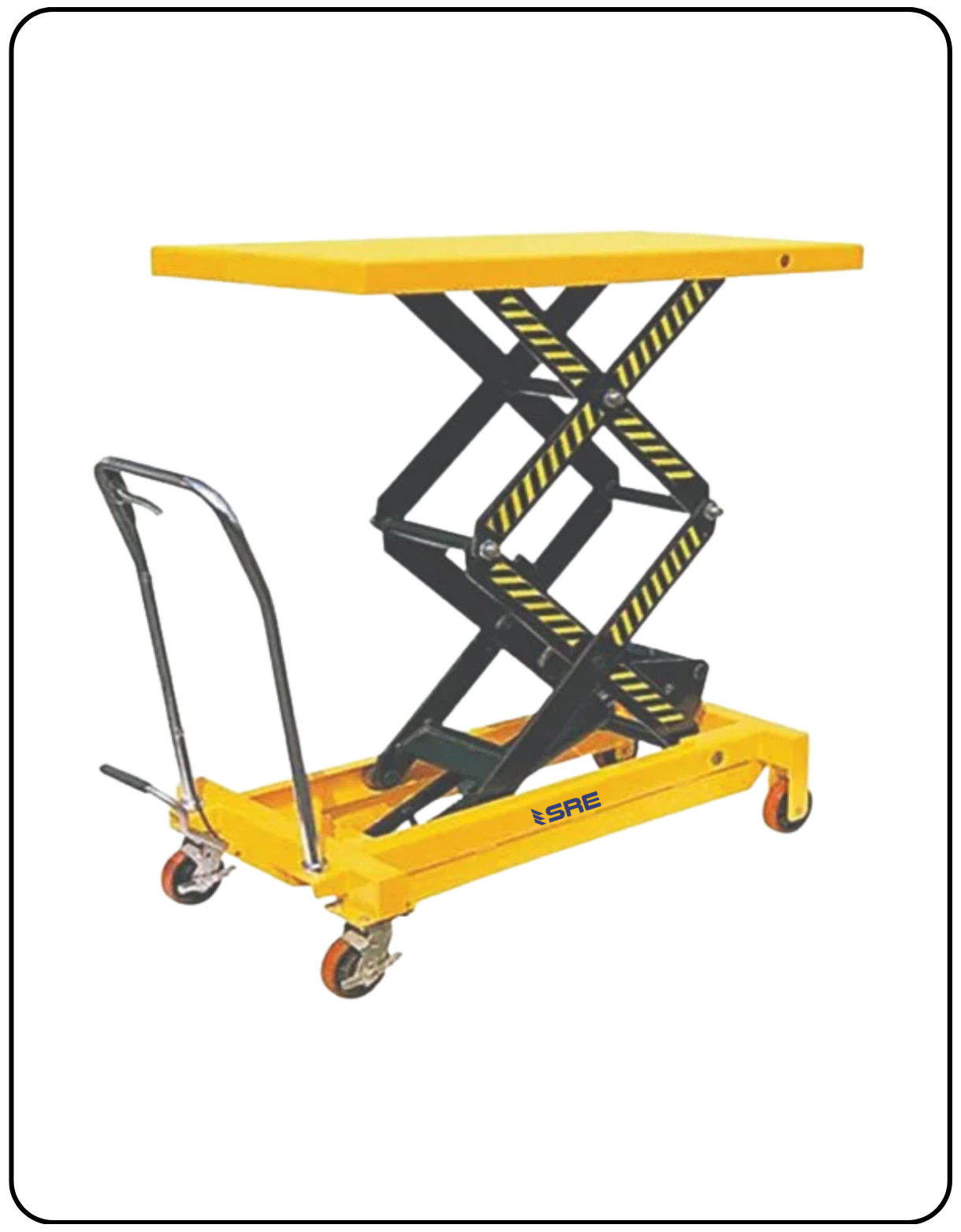
A Hydraulic Scissor Lift Table is a lifting platform that raises and lowers loads using a hydraulic mechanism arranged in a scissor-like structure.
In simple terms:
It allows workers to bring heavy loads to a comfortable working height instead of bending, stretching, or lifting manually.
You will usually see it used for:
- Loading and unloading pallets
- Assembly-line height adjustment
- Packing and inspection work
- Machine feeding and maintenance support
It does not replace workers—it supports them.
Why is the Hydraulic Scissor Lift Table Replacing Manual Equipment?
Traditional handling methods rely heavily on human strength or basic tools like hand trolleys and fixed platforms.
These methods create problems:
- Workers tire quickly
- Lifting speed changes from person to person
- Injuries become more likely over time
- Quality drops when people are exhausted
A Hydraulic Scissor Lift Table brings consistency.
It stops exactly where needed. It allows workers to focus on accuracy instead of effort.
Over time, many factories in Ahmedabad have moved away from pure manual lifting because the long-term cost of injuries, errors, and fatigue is simply too high.
Productivity Gains in Daily Operations
In real warehouse conditions, productivity is not about speed alone. It is about smooth flow.
With a hydraulic lift table:
- Loading becomes faster because the height matches the worker’s reach
- Packing stations stay organized
- Workers do not waste time adjusting posture repeatedly
- Shift-to-shift output stays more consistent
Even small time savings per task add up across hundreds of movements per day.
In many facilities, teams report that work feels “lighter,” even though the load size remains the same.
Improved Workplace Safety
Safety is no longer optional. It is part of daily operations.
Manual lifting causes:
- Back strain
- Shoulder injuries
- Knee and wrist problems
- Long-term health issues
A Hydraulic Scissor Lift Table reduces these risks by:
- Bringing loads to waist or chest height
- Eliminating deep bending and overhead lifting
- Providing stable, controlled movement
- Reducing sudden load shifts
In facilities where this equipment is used properly, injury rates often drop—not because workers are stronger, but because the work is smarter.
Handling Heavier Loads with Ease
As product sizes increase, so do pallet weights.
Modern warehouses handle:
- Bulk packaging
- Machinery parts
- Raw materials
- Finished goods in large volumes
Manual tools struggle with heavy loads, especially when precise placement is required.
Hydraulic lift tables handle weight steadily. The lifting motion stays controlled. The platform remains stable even with uneven loads.
This matters when placing items onto machines, racks, or conveyors where accuracy is critical.
Technology and Operational Efficiency
Most hydraulic scissor lift tables use:
- Manual hydraulic pumps, or
- Electric or battery-powered systems
In daily use, reliability matters more than advanced features.
Operators need equipment that:
- Starts every shift
- Lifts without jerks
- Holds position securely
- Does not break down often
In busy Ahmedabad industrial zones, uptime matters. Equipment that frequently stops disrupts production far more than slow workers ever could.
Space Optimization and Maneuverability
Floor space is expensive.
Warehouses and factories try to fit more operations into the same area. Equipment must move easily through narrow aisles and tight work zones.
Hydraulic scissor lift tables are usually:
- Compact in footprint
- Easy to position near workstations
- Suitable for narrow or crowded areas
They allow vertical movement without taking much horizontal space—something fixed platforms cannot do.
Cost Efficiency Over Time
The real cost of equipment is not its purchase price. It is what happens after.
Manual handling costs include:
- Medical expenses
- Worker absence
- Training replacements
- Slower output during fatigue
- Higher error rates
A Hydraulic Scissor Lift Table reduces:
- Injury-related costs
- Worker turnover
- Fatigue-related mistakes
- Downtime due to strain
Over years of use, many facilities recover their investment simply through safer, smoother operations.
Sustainability and Compliance
Industries now face pressure to operate responsibly.
This includes:
- Lower energy use
- Cleaner work environments
- Safer labor practices
- Compliance with workplace safety laws
Hydraulic lift tables support this by:
- Reducing physical strain
- Improving ergonomic standards
- Supporting safer load handling
- Using efficient hydraulic or electric systems
They align well with modern compliance and audit requirements.
Integration with Warehouse and Factory Workflow
A hydraulic scissor lift table is not a standalone machine. It becomes part of the workflow.
It fits into:
- Packing lines
- Assembly stations
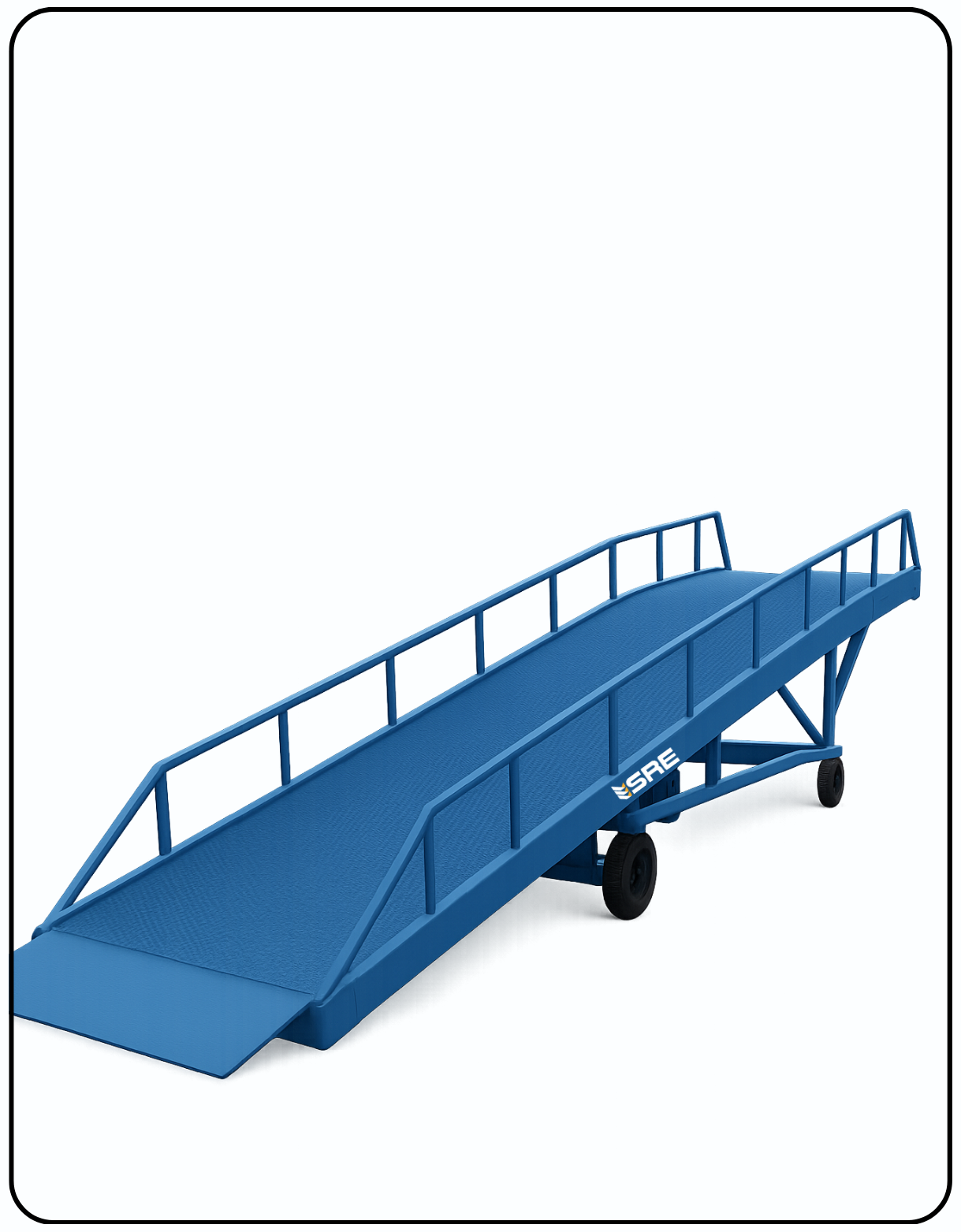
- Loading docks
- Quality-check areas
When placed correctly, it reduces unnecessary movement. Workers do not walk back and forth as much. Goods move in cleaner, shorter paths.
This is how equipment improves flow—not by replacing people, but by supporting how people already work.
Training, Ease of Use, and Maintenance
Most hydraulic lift tables are simple to operate.
Operators usually need:
- Basic safety instruction
- Understanding of load limits
- Simple control training
Maintenance is also predictable:
- Regular hydraulic oil checks
- Inspection of moving parts
- Occasional seal or hose replacement
Well-maintained equipment runs for years without major trouble.
Why Choosing a Reliable Manufacturer Matters ?
Not all equipment is equal.
A reliable manufacturer provides:
- Strong structural design
- Consistent hydraulic performance
- Spare parts availability
- Service and technical support
- Compliance with safety standards
In Ahmedabad’s industrial market, buyers who focus only on price often face higher long-term costs due to breakdowns, delays, and poor support.
Choosing based on reliability and service history usually pays off.
Conclusion
Modern warehouses and factories face pressure from all sides—speed, safety, labor, and cost.
A Hydraulic Scissor Lift Table is not a luxury. It is a practical tool that solves daily operational problems:
- It reduces worker strain
- Improves consistency
- Handles heavier loads safely
- Supports faster, smoother workflows
For industrial operations in Ahmedabad, it fits naturally into the shift toward smarter, safer, and more efficient material handling.
If you are planning to upgrade your internal logistics, start by looking at how your team lifts, moves, and positions loads today—and where better support can make work easier tomorrow.
Key Takeaways
- Productivity: Faster handling, smoother workflow, consistent output
- Safety: Less bending, fewer injuries, better ergonomics
- Load Handling: Stable lifting for heavier materials
- Cost Efficiency: Lower injury cost, less downtime, long-term value
- Industry Trend: Shift toward safer, equipment-supported operations
Trending F&Q
Q1: What is the main use of a hydraulic scissor lift table in warehouses?
It is mainly used to lift loads to a comfortable working height for packing, assembly, loading, and inspection work.
Q2: Is a hydraulic scissor lift table suitable for small warehouses?
Yes. Compact models work well even in narrow spaces and small facilities.
Q3: Does it require highly trained operators?
No. Basic training is enough for safe operation.
Q4: How does it improve worker safety?
It reduces bending, heavy lifting, and awkward posture, which lowers injury risk.
Q5: Is maintenance complicated?
Maintenance is simple—mainly hydraulic oil checks, inspection, and basic servicing.
Contact us in Ahmedabad for expert guidance on Hydraulic Scissor Lift Tables—efficient, safe, reliable solutions. Call +91 9316 208879 or email sremhepvtltd2025@gmail.com