
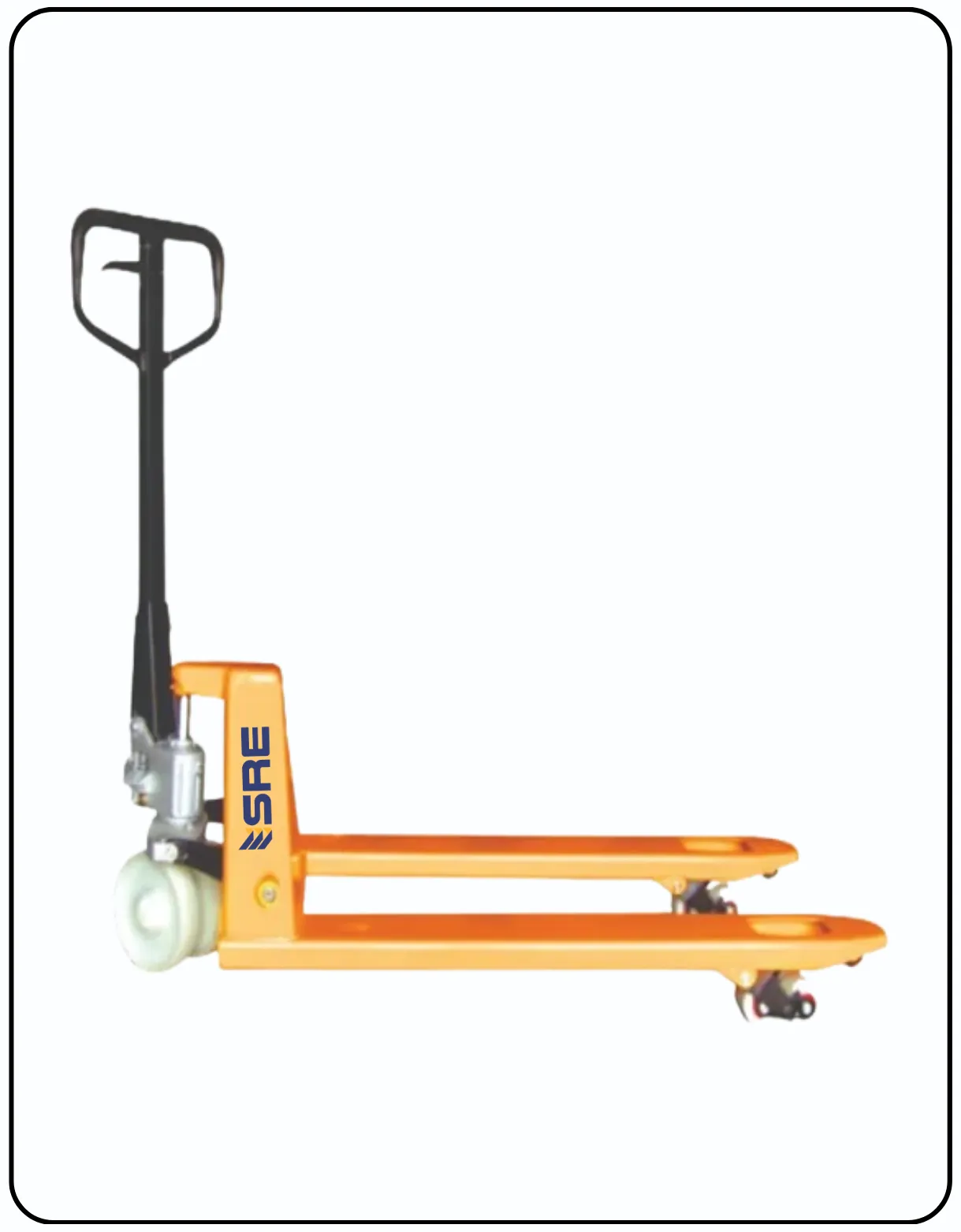
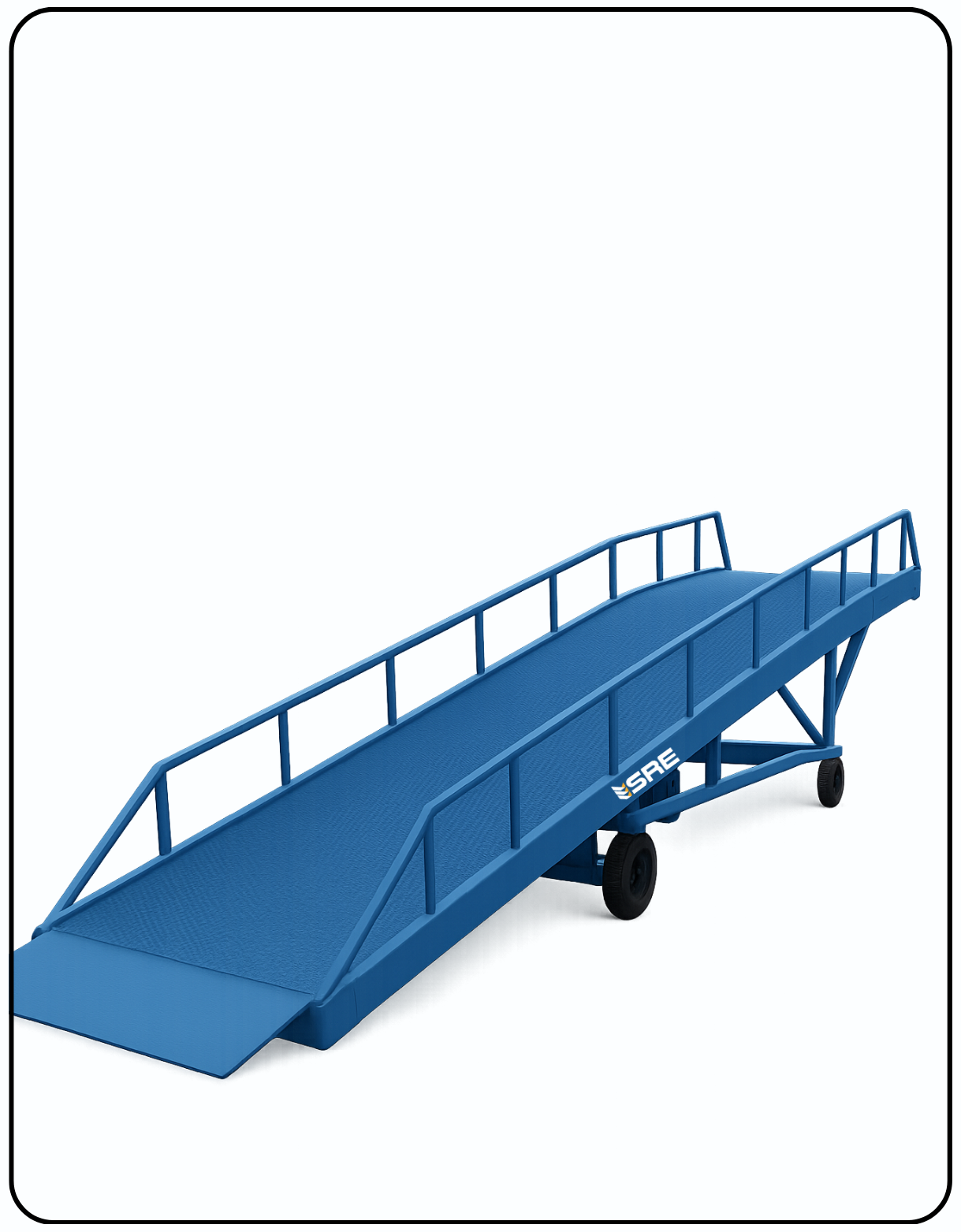
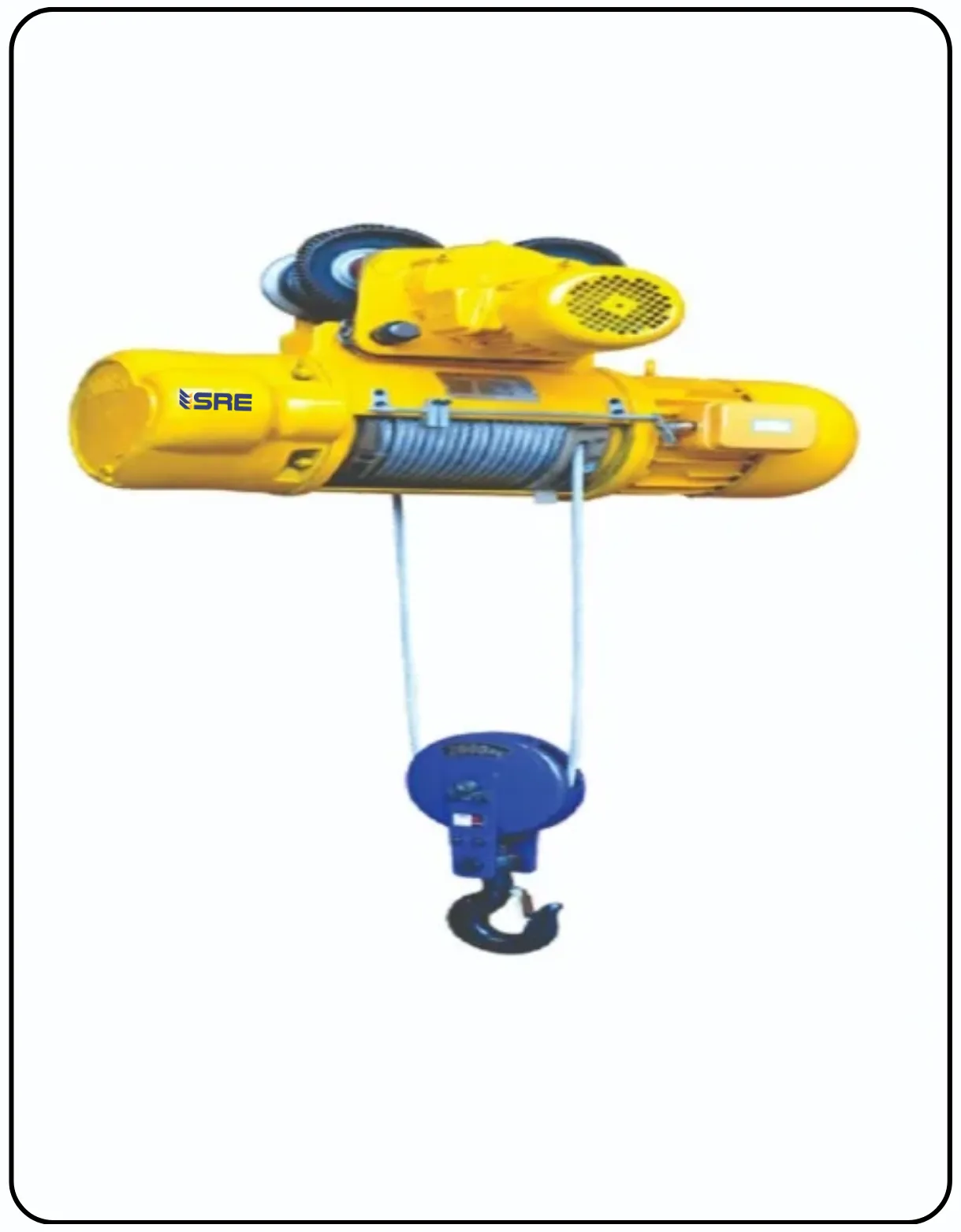
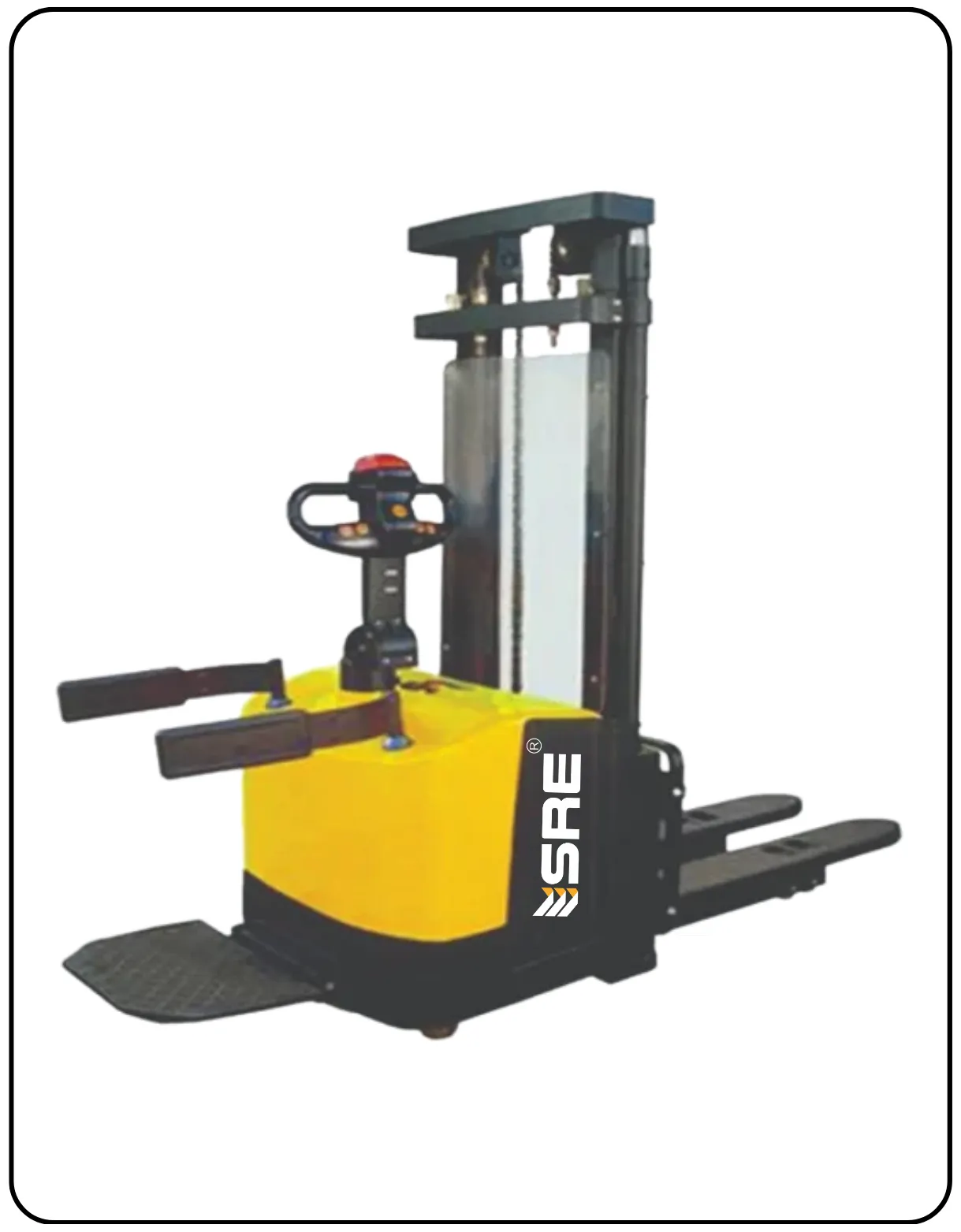
SRE Material Handling Equipment Pvt. Ltd.: Manufacturer, Supplier And Exporter Of Hydraulic Pallet Truck in Gujarat.
SRE Material Handling Equipment Pvt. Ltd., Manufacturer And Supplier Of Hydraulic Pallet Truck in Ahmedabad.
Our Manufacturing Unit is in Ahmedabad, Vadodara, and Rajkot, Gujarat, India.
Hydraulic Pallet Truck in Ahmedabad: Practical Handling for Real Industrial Work
Introduction
In daily warehouse and factory operations, material movement has changed a lot over the last decade. Faster dispatch cycles, higher order volumes, tighter delivery timelines, and stricter safety expectations have become normal, not special.
Warehouse owners and factory managers in Ahmedabad now deal with rising pressure on speed, accuracy, and worker safety at the same time. Teams move heavier loads, more frequently, and often in limited space. At the same time, labor fatigue, injuries, and workflow delays remain common operational problems.
The Changing Needs of Modern Warehouses and Industries
Warehouses today are no longer just storage spaces. They are active processing centers where goods are received, sorted, staged, packed, and dispatched continuously.
In Ahmedabad, many factories and warehouses support textiles, engineering, pharmaceuticals, chemicals, packaging, and FMCG distribution. These sectors face similar internal challenges:
- Higher daily movement volumes
- Shorter order fulfillment times
- More SKU varieties
- Frequent layout changes
- Pressure to reduce manual strain
Earlier, a few workers with manual tools could manage basic movement. Now, even medium-sized facilities handle hundreds of pallet movements daily. When handling methods do not match this workload, delays, injuries, and inefficiencies follow.
Internal logistics is no longer a side task. It directly affects delivery performance, labor costs, and safety records.
What Is a Hydraulic Pallet Truck?
A hydraulic pallet truck is a simple load-moving tool designed to lift and move palletized goods over short distances.
It works using a hydraulic pump mechanism connected to a handle. When the operator pumps the handle, hydraulic pressure lifts the forks. The load can then be moved manually across the floor and lowered smoothly at the destination.
In industry terms, it is:
- A basic load lifter
- A short-distance transport tool
- A bridge between manual labor and powered equipment
It does not replace forklifts or stackers. It supports them by handling ground-level pallet movement efficiently.
Why Hydraulic Pallet Truck Is Replacing Traditional Manual Equipment
In many older setups, workers used simple trolleys, wooden carts, or direct hand-lifting for small loads.
These methods create long-term problems:
- Physical fatigue
- Inconsistent movement speed
- Higher injury risk
- Slower workflows
The Hydraulic Pallet Truck reduces these issues by allowing one person to move heavy pallets with controlled effort. The lifting is hydraulic, not muscle-based.
This brings three clear advantages:
- Less physical strain per movement
- More consistent handling speed
- Reduced dependency on multiple workers
It does not remove human involvement—it makes human effort more sustainable.
Productivity Gains in Daily Operations
Productivity in warehouses is not about speed alone. It is about repeatable, steady output across shifts.
In daily operations, pallet trucks help in:
- Unloading incoming goods
- Shifting pallets to storage zones
- Feeding production lines
- Moving finished goods to dispatch
Instead of waiting for powered equipment for every small movement, teams can use pallet trucks for quick internal transfers.
Over a full shift, small time savings add up:
- Less waiting for shared equipment
- Faster staging of materials
- Smoother flow between workstations
More importantly, output remains consistent even in later shifts, because workers are not exhausted early in the day.
Improved Workplace Safety
In many factories, injuries happen not during heavy machine work, but during simple handling tasks—lifting, dragging, or pushing loads.
Hydraulic pallet trucks reduce risk by:
- Eliminating manual lifting of heavy pallets
- Keeping load movement close to the ground
- Allowing smooth lowering instead of dropping
Controlled movement matters. When loads are moved predictably, workers around the area can anticipate motion and avoid sudden hazards.
In facilities that track safety data, introducing better handling tools often leads to:
- Fewer back and shoulder injuries
- Lower absenteeism
- More stable work attendance
Safety is not just a rule—it directly affects productivity and workforce stability.
Handling Heavier Loads with Ease
Modern warehouses handle heavier pallet loads than before. Packaging is denser, orders are larger, and bulk shipments are more common.
Trying to move heavy pallets with manual carts causes:
- Wheel damage
- Floor strain
- Worker fatigue
A hydraulic pallet truck is designed for weight. Its structure supports stable lifting and rolling under load.
Stability matters because:
- Unbalanced loads tip easily
- Floor unevenness increases risk
- Poor wheels fail under stress
A properly built pallet truck maintains load balance and smooth movement, even when fully loaded.
Technology and Operational Efficiency
Hydraulic pallet trucks are mechanically simple, but their design supports reliable operation.
Key advantages include:
- Manual hydraulic system (no complex electronics)
- Fewer failure points
- Easy repair availability
In facilities where downtime is costly, simpler equipment is often better.
There is no battery to charge, no motor to overheat, and no software to reset. When maintenance is needed, it usually involves:
- Hydraulic oil check
- Wheel inspection
- Seal replacement
This makes uptime predictable and repair planning easier.
Space Optimization and Maneuverability
Many warehouses in Ahmedabad operate in buildings that were not originally designed for modern logistics. Space is limited, aisles are narrow, and layouts change often.
Hydraulic pallet trucks work well in:
- Narrow aisles
- Temporary layouts
- Mixed-use production floors
They can turn in tight spaces and move between workstations without needing large clearance.
This flexibility allows operations to:
- Rearrange layouts quickly
- Add temporary storage zones
- Adapt to seasonal volume changes
Space efficiency is not just about storage—it is about movement.
Cost Efficiency Over Time
Cost is not only purchase price. It includes:
- Injury costs
- Downtime losses
- Labor fatigue
- Repair frequency
A well-made hydraulic pallet truck delivers value by:
- Reducing injury-related absences
- Maintaining steady output
- Requiring low maintenance
- Lasting for many years
Over time, its cost spreads across thousands of pallet movements, making each movement cheaper than manual handling.
Facilities that calculate long-term handling cost often find that simple equipment, used correctly, offers the best return.
Sustainability and Compliance
Warehouses are now expected to think about:
- Energy use
- Noise levels
- Safety compliance
- Workplace standards
Hydraulic pallet trucks support cleaner operations because:
- They use no fuel
- They produce no emissions
- They operate quietly
This helps facilities meet internal safety policies and external compliance requirements, especially in regulated industries like pharma, food, and chemicals.
Integration with Warehouse and Factory Workflow
In real operations, equipment must fit into existing systems, not force change.
Hydraulic pallet trucks integrate easily with:
- Forklift operations
- Stacker systems
- Conveyor loading zones
- Manual picking areas
They act as connectors—moving goods between zones where powered equipment is inefficient or unnecessary.
In many warehouses, they handle:
- Last-meter movement
- Short transfers
- Overflow handling during peak hours
They do not replace systems; they support them.
Training, Ease of Use, and Maintenance
One reason pallet trucks are widely adopted is simplicity.
Training usually involves:
- Basic lifting and lowering technique
- Turning and braking practice
- Load balance awareness
Most workers learn safe operation within a few hours.
Maintenance is also predictable:
- Regular visual checks
- Periodic hydraulic inspection
- Wheel and bearing service
Because there is no complex system, supervisors can monitor condition easily.
Why Choosing a Reliable Manufacturer Matters
Not all pallet trucks perform the same in real industrial use.
Quality differences show in:
- Steel thickness
- Hydraulic system durability
- Wheel material
- Load stability
A reliable manufacturer focuses on:
- Industrial-grade materials
- Testing under real loads
- After-sales support
- Spare part availability
For businesses in Ahmedabad and nearby regions, working with experienced manufacturers or suppliers makes long-term operation smoother.
One such company is SRE MATERIAL HANDLING EQUIPMENT PRIVATE LIMITED, known for providing industrial handling solutions across different sectors.
You can explore their product range and support services at: https://www.sremhepvtltd.com/
The goal is not brand promotion, but reliability—equipment that works every day, not just on delivery day.
Conclusion
In modern warehouses and factories, internal movement affects everything—speed, safety, labor cost, and customer delivery.
The Hydraulic Pallet Truck remains relevant because it solves simple problems well:
- It reduces physical strain
- It improves workflow consistency
- It supports safe handling
- It fits into almost any layout
It is not about replacing people or machines. It is about making daily work more manageable.
For operations in Ahmedabad facing rising volume and tighter timelines, investing in practical, reliable handling tools is not optional—it is part of staying competitive.
Before buying, evaluate real needs: load weight, space, usage frequency, and support availability. The right choice will quietly improve operations every single day.
Key Takeaways
- Productivity: Faster short–distance movement and steady output across shifts
- Safety: Reduced lifting injuries and controlled load handling
- Load Handling: Stable movement of heavy pallets with minimal effort
- Cost Efficiency: Lower long-term handling cost and predictable maintenance
- Industry Trend: Simple, reliable tools supporting modern logistics systems
Trending FAQs
Q1. Where is a hydraulic pallet truck most useful?
It is ideal for short-distance pallet movement, loading zones, production feeding, and staging areas.
Q2. Can one person operate it safely?
Yes, when used correctly, one trained operator can handle heavy pallets safely.
Q3. How often does it need maintenance?
Basic inspection weekly and hydraulic check periodically, depending on usage.
Q4. Is it suitable for small warehouses?
Yes, especially where forklifts are not practical or space is limited.
Q5. How long does a good pallet truck last?
With proper use and maintenance, many operate reliably for several years.
For reliable material handling solutions, expert guidance, and product support, get in touch with. Call +91 9316 208879 or email sremhepvtltd2025@gmail.com