
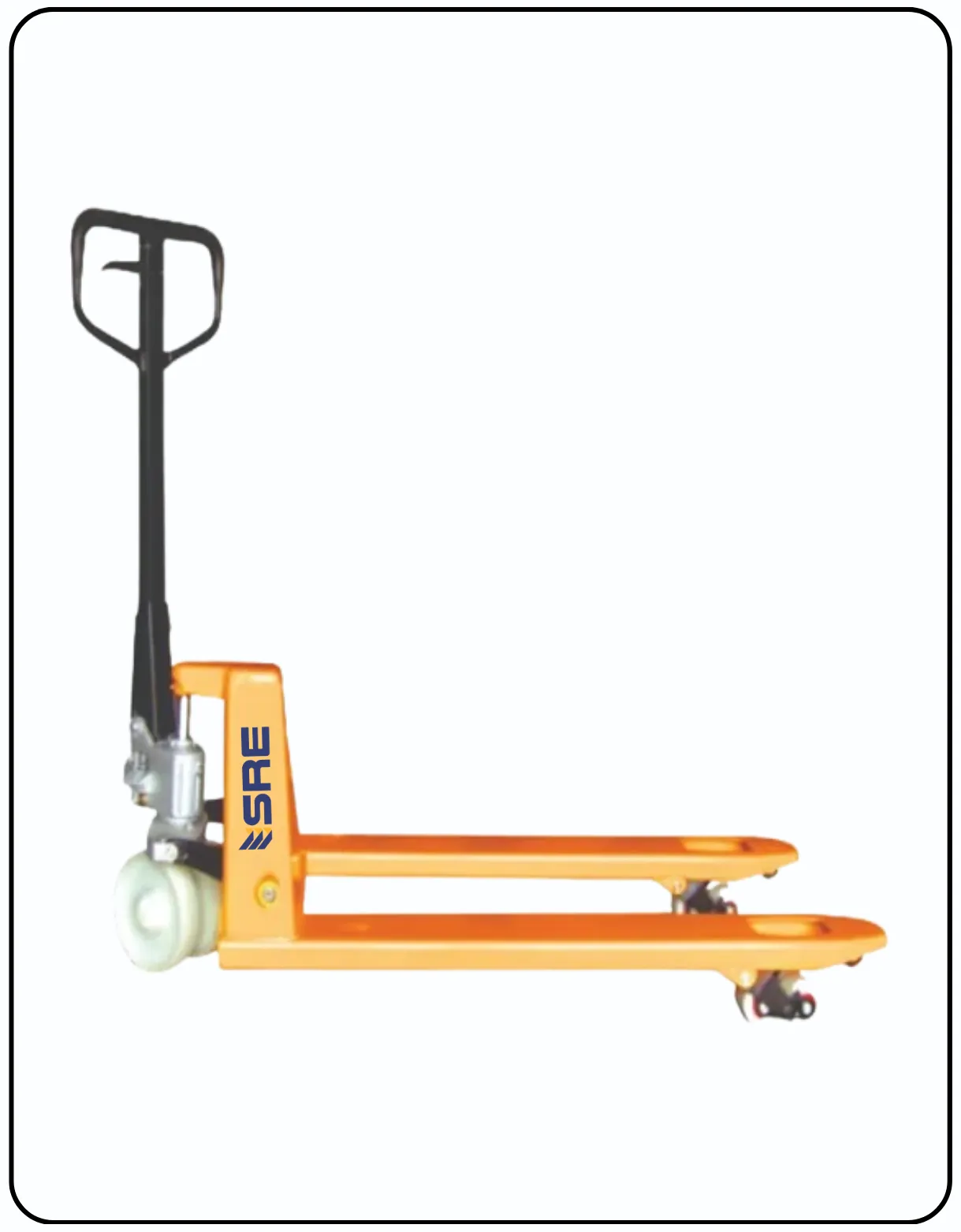
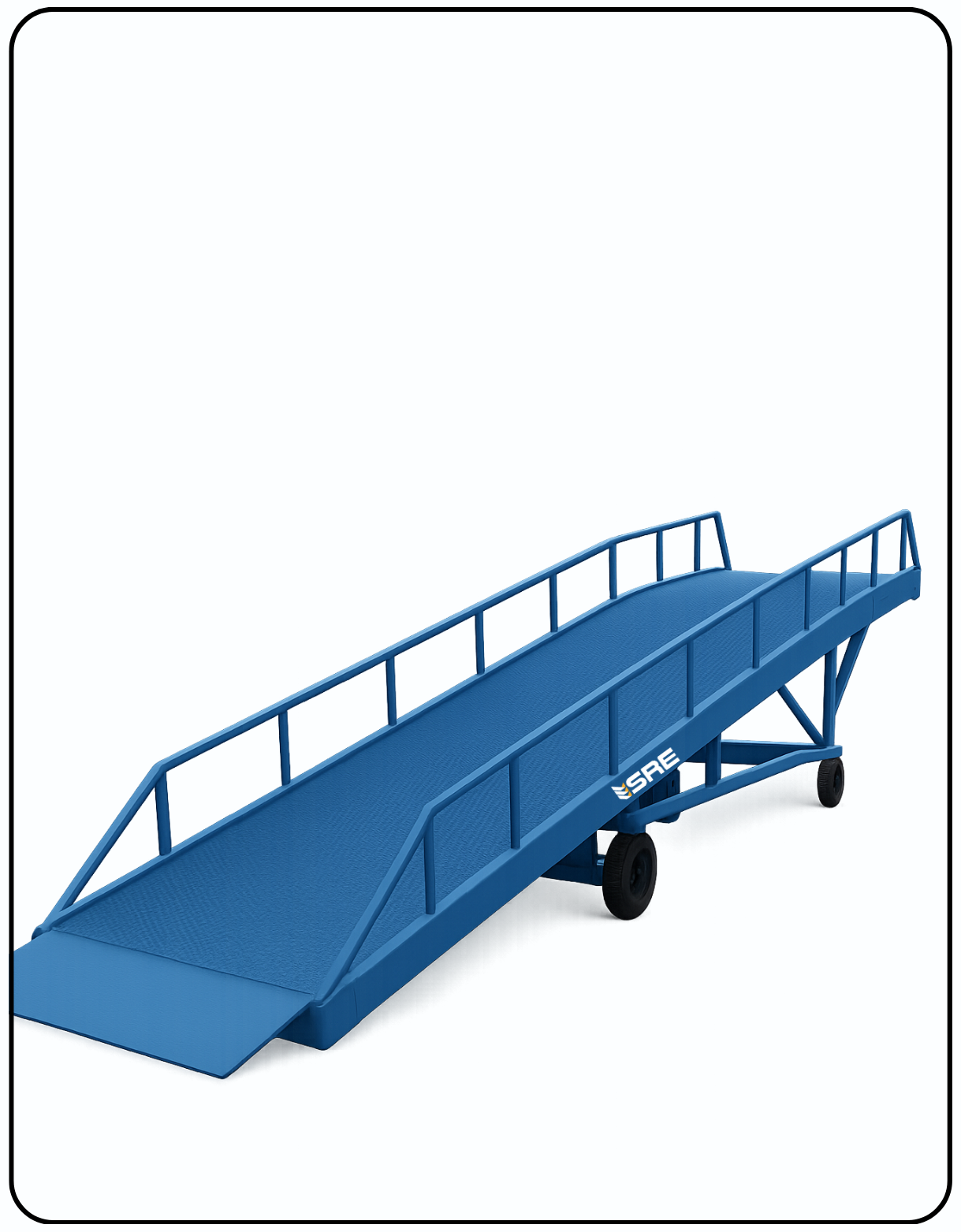
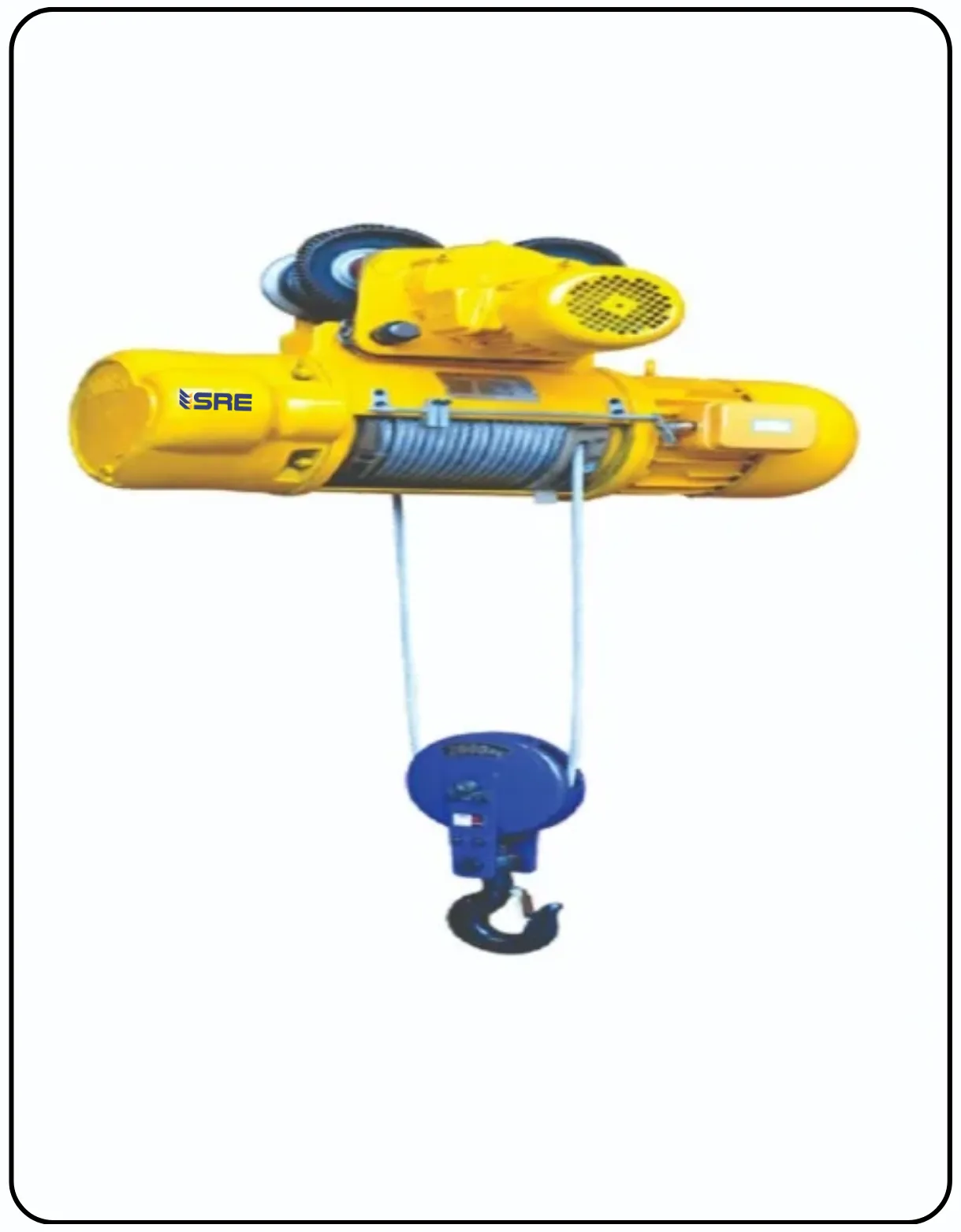
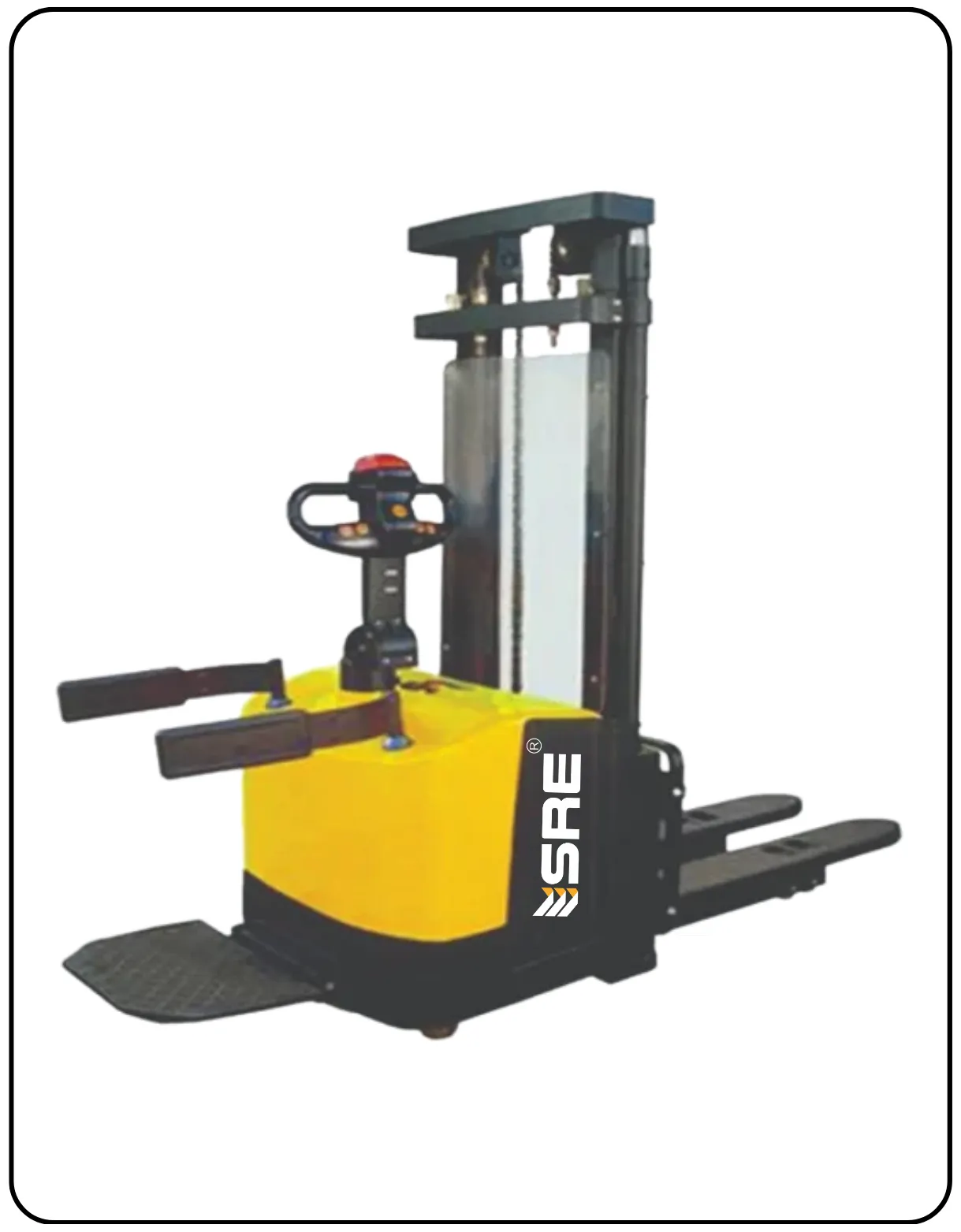
SRE Material Handling Equipment Pvt. Ltd.: Manufacturer, Supplier And Exporter Of Hydraulic Hand Pallet Truck in Gujarat.
SRE Material Handling Equipment Pvt. Ltd., Manufacturer And Supplier Of Hydraulic Hand Pallet Truck in Ahmedabad.
Our Manufacturing Unit is in Ahmedabad, Vadodara, and Rajkot, Gujarat, India.
Hydraulic Hand Pallet Truck in Ahmedabad: A Practical Guide for Industrial Decision‑Makers
Introduction
In daily warehouse operations across Ahmedabad and wider industrial India, the pressure to move more — faster, safer, and with fewer resources — is continuous. Evolving supply‑chain demands and higher throughput targets have sharpened focus on internal logistics, material handling, and workforce efficiency.
One such workhorse is the Hydraulic Hand Pallet Truck — a simple yet powerful tool that supports material movement across the plant floor, dock, and storage areas.
The Changing Needs of Modern Warehouses & Industrial Floors
Today’s warehouses are not what they were a decade ago. Rising e‑commerce volumes, tighter delivery windows, and lean staffing models have redefined expectations for internal material movement.
Warehouses and manufacturing facilities increasingly face:
- Higher throughput demands as customer expectations rise and inventory turns quicken.
- Greater emphasis on safety and ergonomics, driven by compliance standards and labor wellbeing.
- Intense labor pressure, where fatigue and repetitive tasks reduce consistency and morale.
- Narrow‑aisle storage systems demanding equipment that is compact but capable.
In many facilities, daily routines involve moving pallets multiple times per shift — from inbound docks to storage, production lines, and finally to outbound staging.
This is where Hydraulic Hand Pallet Trucks play a practical role.
What Is a Hydraulic Hand Pallet Truck?
In industry terms, a Hydraulic Hand Pallet Truck is a manually operated material‑handling device designed to lift and transport palletized goods short distances on the warehouse floor.
Unlike traditional push‑only methods or simple roll‑barrows, this truck uses a hydraulic pump that lifts pallets slightly off the ground when you pump the handle. Once raised, the pallet can be rolled smoothly on steel or polyurethane wheels to its destination.
Unlike powered forklifts or stackers, it doesn’t require electricity or extensive training, yet it delivers reliable, repeatable results across everyday tasks.
Why Hydraulic Hand Pallet Trucks Are Replacing Traditional Methods
Reducing Fatigue and Improving Consistency
In many warehouses, older methods like wooden skids dragged by labor or basic wheeled trolleys still exist. These approaches demand excessive physical exertion, risk misalignment or load slips, and vary widely in outcome from one operator to another.
By contrast, Hydraulic Hand Pallet Trucks provide:
- Smooth, mechanical lifting, reducing strain on back and legs.
- Predictable movement, irrespective of operator strength.
- Consistent handling across shifts, which supports stable operations in high‑volume workflows.
Operations managers will notice improved consistency in daily handling tasks and reduced reliance on ad‑hoc muscle power.
Productivity Gains in Daily Operations
In practice, productivity gains from a Hydraulic Hand Pallet Truck are straightforward and measurable:
- Faster load movements: Simple up‑and‑down hydraulic action replaces manual lifting and adjusting.
- Less time per task: Operators can cycle pallets more rapidly without waiting for powered equipment availability.
- Consistency across shifts: With minimal variability based on individual strength or skill, workflow rhythm improves.
In warehouses with multiple shifts, this consistency prevents bottlenecks and supports better throughput planning. A truck that starts reliably on the first pump of the day contributes to a smoother workflow from morning to evening.
Improved Workplace Safety
Safety is a cornerstone of operational efficiency. In daily warehouse operations, injuries from manual handling — including strains, sprains, and slips — are common and often preventable.
Hydraulic hand pallet trucks contribute to safer workplaces in several ways:
- Ergonomic lifting: Hydraulic assistance limits excessive force and awkward postures.
- Controlled movement: Wheels designed for load stability reduce the chance of tipping or runaway pallets.
- Reduced ground contact with loads: Minimizing manual intervention between feet and heavy loads lowers crush risks.
For safety managers, this translates into fewer lost‑time incidents, lower compensation costs, and a stronger compliance culture.
Handling Heavier Loads with Ease
Modern warehouses handle heavier, bulkier, and more diverse inventory than ever before. A Hydraulic Hand Pallet Truck is engineered to handle these loads within its rated capacities — often up to multiple tons — while keeping the operator in control.
Key advantages for heavy loads include:
- Stability under weight: Properly designed trucks distribute the load evenly, reducing chassis stress.
- Precise control: Hydraulic systems allow lifting just enough to clear uneven flooring or docks.
- Less risk of dropped pallets compared to makeshift rolling methods.
For production managers dealing with raw materials and finished goods alike, these advantages matter daily. They make routine tasks less hazardous and more predictable.
Technology & Operational Efficiency
A common misconception is that hydraulic hand trucks are outdated. In reality, advances in materials and design have made them more efficient and reliable.
Modern Hydraulic Hand Pallet Trucks often include:
- High‑efficiency seals and pumps that require minimal maintenance and deliver smooth action.
- Robust wheel materials (polyurethane, nylon) tailored for different floor types, reducing friction and wear.
- Ergonomic handles designed to minimize strain over repeated cycles.
These improvements support uptime — meaning less time is spent fixing equipment and more time moving materials.
Space Optimization & Maneuverability
Many warehouses today use high‑density storage and narrow aisles to maximize space utilization. In such layouts, large powered vehicles can be cumbersome or simply impractical.
Hand pallet trucks excel in:
- Compact design that fits narrow aisles
- Tight turning radius, even with loaded pallets
- Low overhead clearance requirement, unlike tall forklifts
For facilities focused on space optimization, this compactness is not a luxury — it’s a necessity. A truck that maneuvers confidently around racks and tight corners reduces damage risk and increases usable floor area.
Cost Efficiency Over Time
While the upfront cost of a Hydraulic Hand Pallet Truck is significantly lower than that of powered equipment, its true value becomes evident in long‑term operations.
Factors contributing to long‑term cost efficiency include:
- Minimal maintenance requirements: Hydraulic hand trucks have fewer moving parts than engines or batteries.
- Reduced labor strain costs: Better ergonomics lead to fewer injuries and less downtime.
- Dependable service life: Quality trucks can operate for years with routine checks.
This long‑term perspective matters to procurement teams and financial controllers — it shifts the conversation from purchase price to total cost of ownership (TCO).
Sustainability & Compliance
Sustainability isn’t just an environmental buzzword — it’s increasingly tied to compliance and operational reputation. Clean, energy‑efficient operations are priorities for modern industrial facilities.
Hydraulic hand pallet trucks support this mindset by:
- Operating without external power, eliminating emissions and battery waste.
- Requiring no fossil fuels, aligning with cleaner facility standards.
- Contributing to lean material flow, reducing unnecessary movements and waste.
For compliance officers and sustainability leads, integrating manual‑hydraulic solutions where suitable contributes to broader operational goals.
Integration with Warehouse / Factory Workflow
A common concern among operations leaders is how new equipment fits into established workflows. Fortunately, Hydraulic Hand Pallet Trucks integrate smoothly:
- Dock to floor workflows: Ideal for bridging gaps between inbound receiving and storage.
- Production line feed: Moves pallets to line‑side without blocking powered lifts.
- Cross‑dock staging: Efficiently shifts pallets between transportation vehicles and staging zones.
Unlike large forklifts that require designated zones and clearances, hand pallet trucks adapt naturally to the rhythm of work.
Training, Ease of Use & Maintenance
One of the most practical advantages of these trucks is their simplicity:
- Minimal training required: Operators typically learn operation in under an hour.
- Intuitive controls: Handles and pumps operate along familiar mechanical principles.
- Predictable maintenance: Routine checks focus on wheels, hydraulic fluid, and handle assembly.
For HR and training managers, this means lower onboarding costs and faster competence development.
Why Choosing a Reliable Manufacturer Matters
Not all Hydraulic Hand Pallet Trucks are created equal. Quality — from build materials to manufacturing tolerances — directly impacts performance, safety, and longevity.
When evaluating suppliers, look for:
- Proven industry experience and a track record in material‑handling solutions.
- After‑sales support including spare parts availability and technical guidance.
- Compliance with load ratings and safety standards relevant to industrial use.
A reliable manufacturer partner reduces risk and enhances operational confidence. For decision‑makers in Ahmedabad and beyond, this is a cornerstone of responsible procurement.
If you are evaluating options for durable, reliable pallet trucks, consider solutions from SRE MATERIAL HANDLING EQUIPMENT PRIVATE LIMITED. Their portfolio of pallet handling solutions reflects practical design and material handling expertise — more detail at https://www.sremhepvtltd.com/.
Conclusion
In a landscape where efficiency, safety, and cost control are perpetual priorities, a Hydraulic Hand Pallet Truck stands out as a practical tool for modern warehouses and industrial facilities. It blends simplicity with meaningful performance, reduces physical strain on operators, and integrates cleanly into daily workflows.
For industrial decision‑makers — from warehouse owners and factory managers to procurement and operations heads — choosing the right handling equipment is not just about moving goods. It’s about supporting your team, optimizing processes, and building sustainable operations for long‑term success.
Key Takeaways
- Productivity: Enhances material flow with consistent, repeatable performance.
- Safety: Reduces manual handling injuries and supports safer material movement.
- Load Handling: Handles heavier pallets with control and stability.
- Cost Efficiency: Offers strong total cost of ownership through low maintenance and long service life.
- Industry Trend: Aligns with modern warehouse demands for ergonomic, compact, and adaptable handling solutions.
Trending FAQs
Q: What load capacities do hydraulic hand pallet trucks typically support?
A: Most standard models handle between 2,000–3,000 kg, with specialized versions for heavier loads.
Q: Do these trucks require special flooring?
A: Smooth, level surfaces are ideal; wheel material selection (polyurethane vs. nylon) helps adapt to floor types.
Q: How often should maintenance be performed?
A: Regular weekly checks for wheels and hydraulic fluid, with deeper inspections monthly or quarterly depending on use.
Q: Can they replace forklifts entirely?
A: For short‑distance pallet movement and staging, yes — but forklifts remain necessary for high lifts and racking.
Reach out today for expert material handling solutions and personalized industrial support. Call +91 9316 208879 or email sremhepvtltd2025@gmail.com