
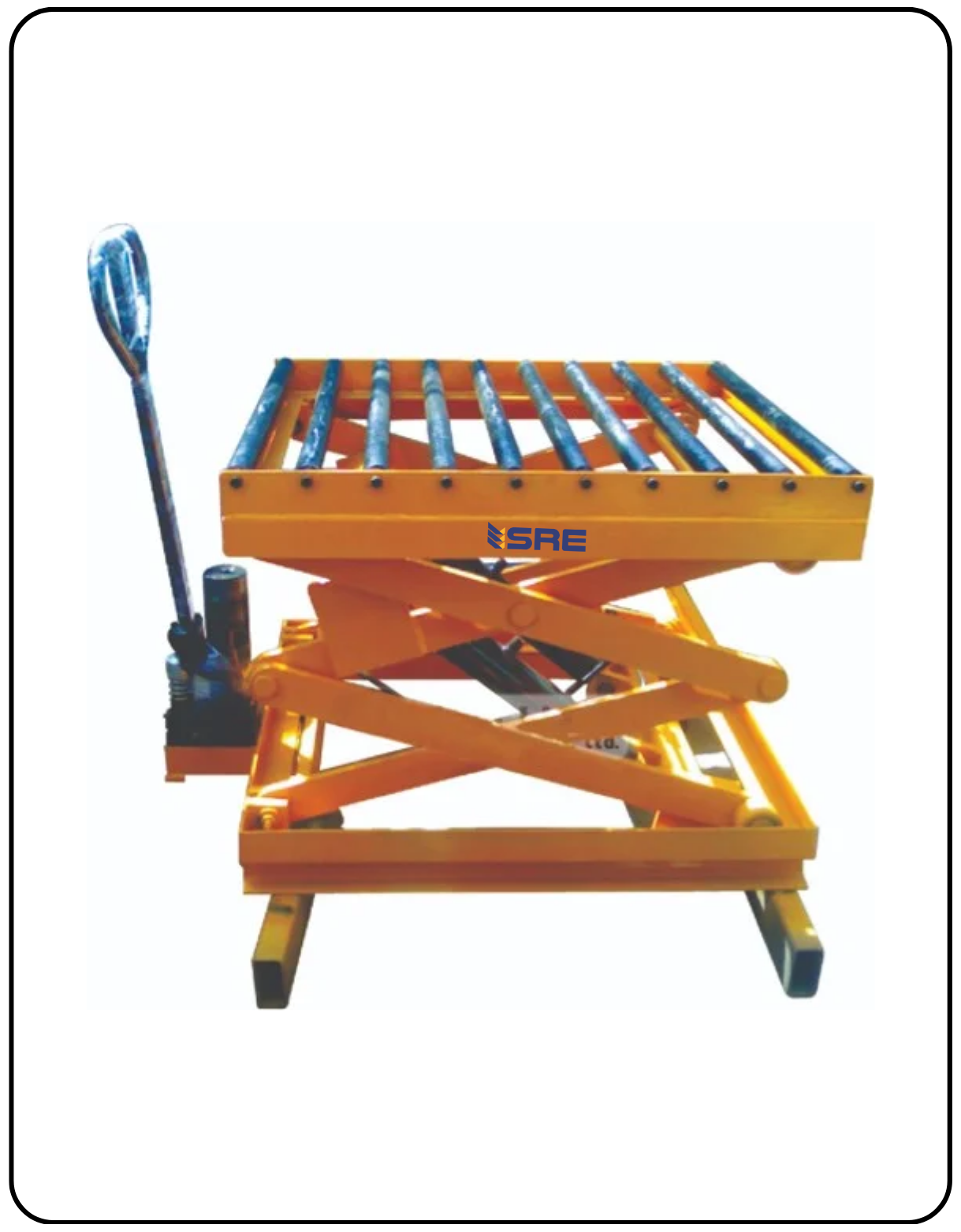
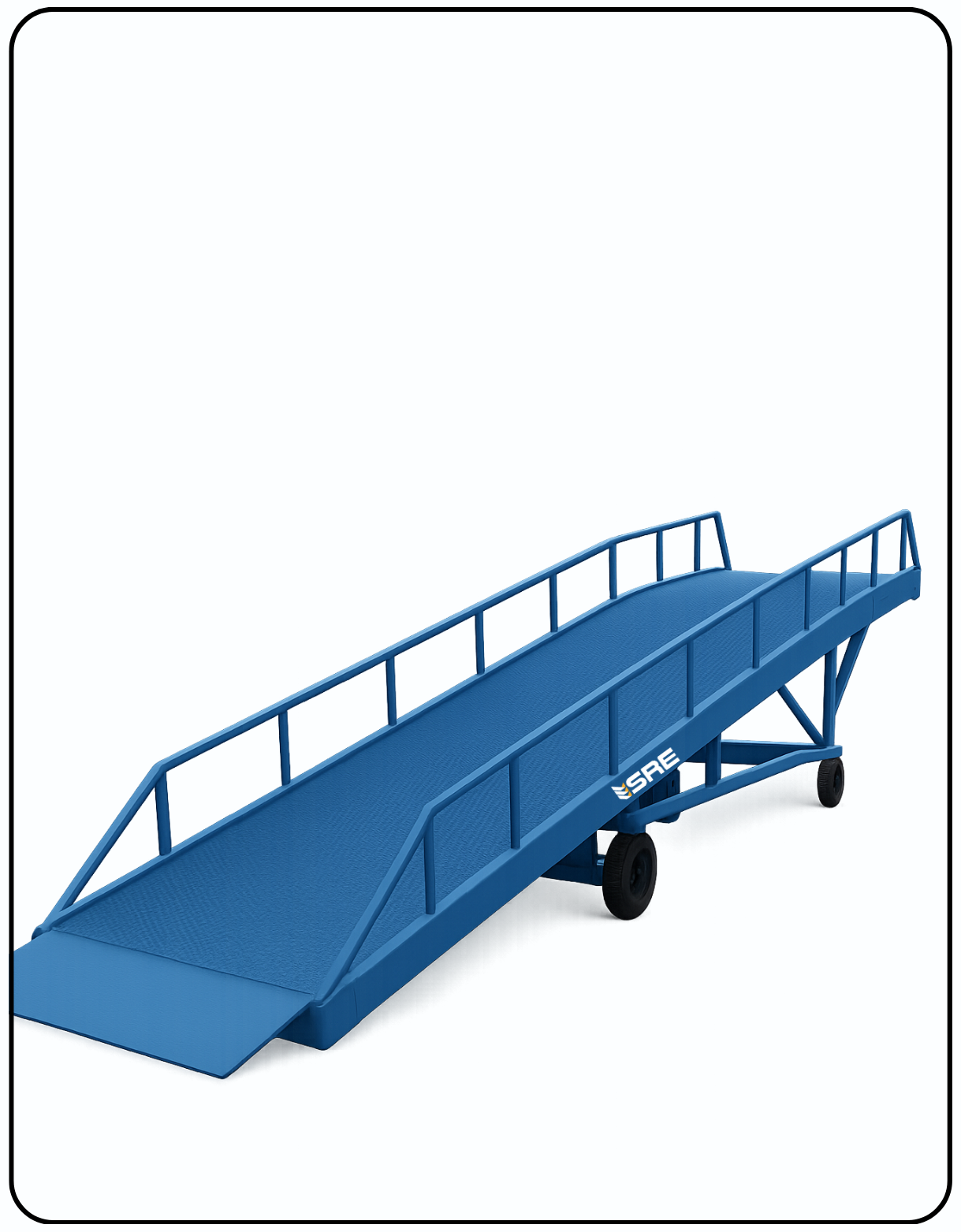
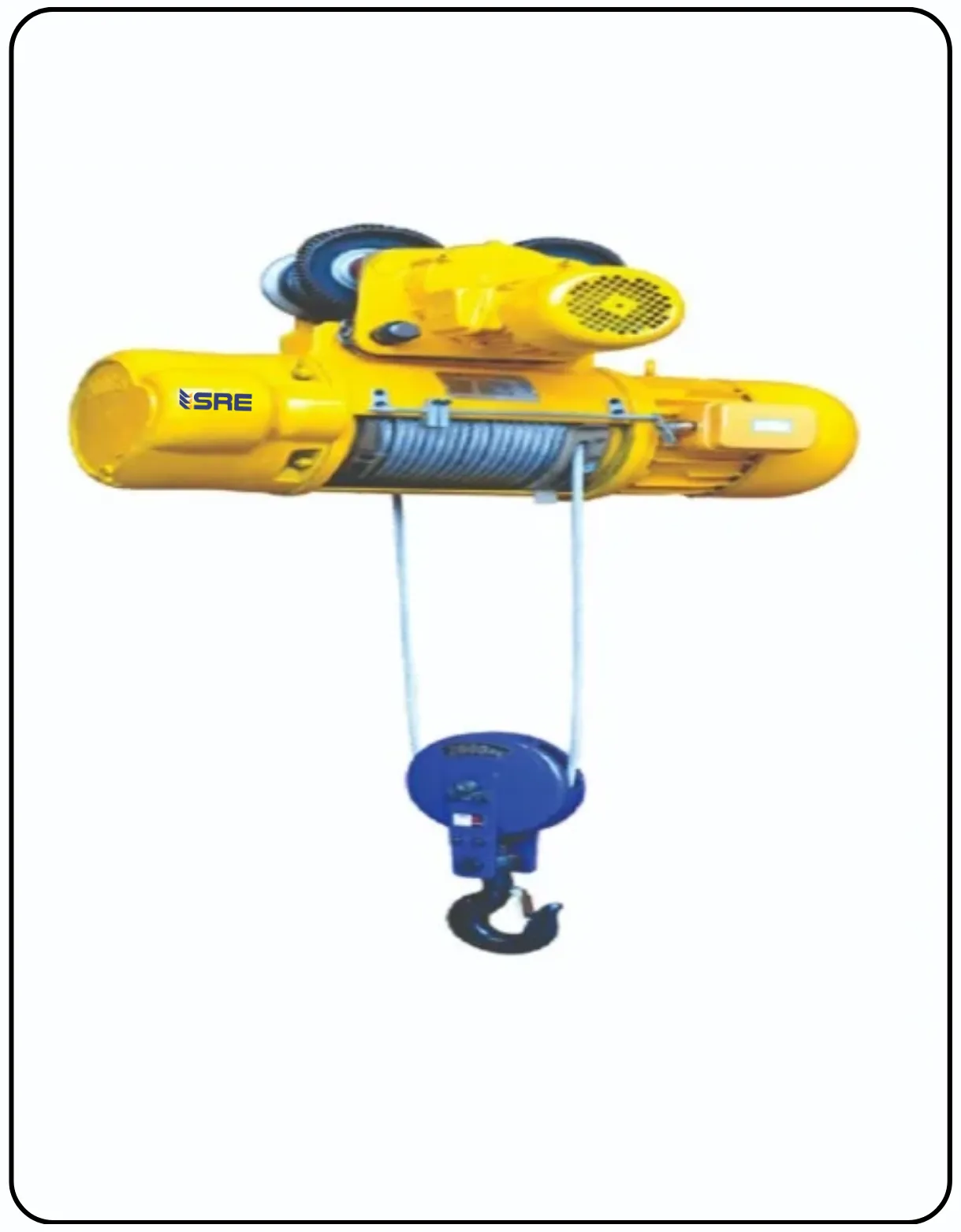
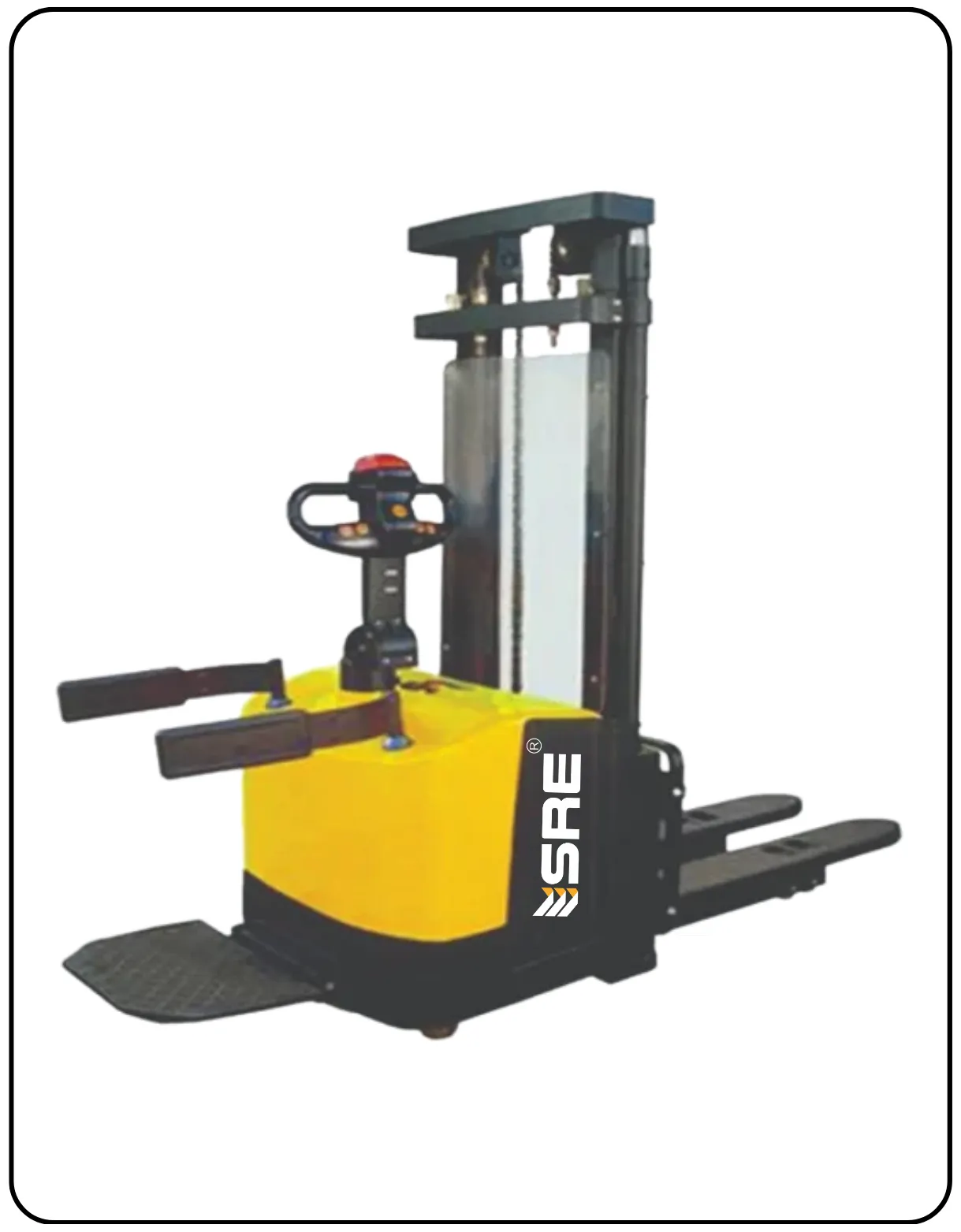
SRE Material Handling Equipment Pvt. Ltd.: Manufacturer, Supplier, And Exporter Of Dia Loader in India.
SRE Material Handling Equipment Pvt. Ltd., Manufacturer And Supplier Of Dia Loader in Rajkot.
Our Manufacturing Unit is in Ahmedabad, Vadodara, and Rajkot, Gujarat, India.
Dia Loader in Rajkot: A Practical Solution for Modern Warehouse Challenges
In today’s industrial and warehouse environments, the pace of operations has accelerated dramatically. Speed, volume, safety, and labour efficiency are no longer optional considerations — they define competitiveness and operational resilience. In daily warehouse operations across Rajkot and beyond, teams face rising throughput demands while trying to reduce physical strain on workers and maintain accuracy. Against this backdrop, equipment such as the Dia Loader has emerged as a practical solution to real-world internal logistics challenges.
This long-form blog is written for warehouse owners, factory managers, operations heads, supply chain leaders, and procurement teams seeking grounded insights into how equipment decisions translate into measurable operational outcomes.
The Changing Needs of Modern Warehouses and Industrial Facilities
In the past decade, warehouse operations have moved from low-volume, periodic handling to continuous, high-volume workflows. E‑commerce growth, just‑in‑time delivery expectations, and tighter turnaround timelines have stressed traditional material handling methods.
In daily industrial settings, teams are increasingly challenged by:
- High-throughput requirements: More SKUs, frequent pick/pack cycles, and rapid turnover.
- Tight delivery windows, Shipping deadlines that compress internal processing time.
- Labour fatigue and turnover. Repetitive manual handling increases injury risk and inconsistent performance.
Space constraints and Warehouses growing upward rather than outward necessitate agile, compact handling solutions.
Whether it’s moving heavy pallets from inbound docks, staging goods for outbound shipment, or reorganizing inventory in narrow aisles, these challenges call for tools that augment human effort without introducing complexity.
This is where the Dia Loader becomes relevant, not as a theoretical improvement but as an everyday workhorse that bridges manual labour and mechanized support in warehouse operations.
What Is a Dia Loader?
At its core, a Dia Loader is a material-handling device designed to assist with loading, unloading, and transporting heavy goods within a warehouse or industrial facility. You won’t find it defined in academic textbooks or hidden behind buzzwords. In real operational terms, it is equipment that helps workers move loads safely and efficiently from point A to point B without relying solely on physical strength.
Unlike a simple hand truck or a forklift — which require significant operator skill, space, or infrastructure adaptation — a Dia Loader is engineered for practical, repetitive tasks where control, consistency, and ease of use matter most.
In everyday use, a Dia Loader helps teams:
- Transfer goods between work zones
- Load or unload trucks and containers
- Position inventory in storage areas
- Handle non‑stackable, irregular, or bulky items
In extensive, fast‑paced facilities, this can mean the difference between meeting throughput goals or falling behind schedule.
Why Dia Loader Is Replacing Traditional and Manual Material Handling Methods
Many warehouses still rely heavily on manual handling, basic carts, or forklifts for moving goods. Each of these methods has limitations:
Manual Handling
Manual lifting and moving are common in small to mid‑sized facilities, but they come with clear downsides:
- Worker fatigue and injury risk from repeated lifting.
- Variability in performance due to worker strength differences.
- Slower cycle times, especially for heavier loads.
- Traditional Carts and Trolleys
These may reduce outright lifting, but they:
- Lack mechanisms for controlled loading/unloading.
- Require significant physical effort to maneuver heavy or awkward loads.
- Offer limited assistance with elevation changes or precise placement.
- Forklifts and Powered Industrial Trucks
While powerful, these are:
- Expensive to procure and maintain.
- Require certified operators.
- Unsuitable in tight aisles or near pedestrian workflows.
- Overkill for everyday loading/unloading tasks.
In contrast, a Dia Loader enables:
- Reduced physical strain, Operators guide loads without lifting or balancing heavy weights.
- Greater consistency. Each cycle is performed with controlled motion and stable support.
- Improved throughput: Teams can sustain productivity levels across shifts with less fatigue.
In practical operations, this translates into more consistent order fulfillment and fewer disruptions caused by operator fatigue or minor injuries.
Productivity Gains in Daily Operations
One of the most tangible benefits of integrating a Dia Loader in warehouse workflows is the boost in daily productivity.
Faster Load Cycles
When teams are no longer limited by how much weight they can lift or balance, load/unload cycles become smoother and quicker. Whether it’s moving pallets from the dock to storage or staging goods for outbound shipment, the Dia Loader allows workers to:
- Align loads with greater precision
- Move without stopping frequently to rest
- Maintain a steady workflow rhythm
In facilities with multiple shifts, this consistency matters. A machine‑assisted load cycle at 8 AM should feel the same at 4 PM — without cumulative physical stress dragging down performance.
Reduced Idle Time
Because operations with a Dia Loader require minimal setup and transition time, warehouses see less idle time between tasks. A worker doesn’t have to wait for a forklift, nor do they need to adjust awkward manual handling methods. The result is a smoother flow from inbound to staging to outbound processes.
These productivity improvements have a direct impact on key operational KPIs, including throughput per hour, order cycle time, and overtime labour costs.
Improved Workplace Safety
Daily warehouse operations are rife with potential safety issues. Slips and falls, back strains from lifting, and collisions in high‑traffic areas are common hazards.
Real Safety Benefits with the Dia Loader
In practice, the Dia Loader contributes to safety in ways that matter most to safety managers:
- Ergonomic design reduces the need for lifting and twisting, which can cause musculoskeletal injuries.
- Controlled movement. The design allows operators to guide loads with predictable motion, reducing the risk of slip or tip‑over.
- Clear operator visibility. Unlike larger powered vehicles, a Dia Loader keeps operators close to their path of movement, improving hazard recognition.
Over time, this emphasis on ergonomic handling and predictable performance helps reduce injury rates, medical leave occurrences, and workers’ compensation claims.
Handling Heavier Loads with Ease
Modern warehouses are dealing with larger, heavier SKU volumes than ever before. Manual handling can’t match the need to move these loads without risking worker strain or inefficiencies.
The Dia Loader is built for:
- Stability on the move, Robust wheels and frame design ensure that heavier items don’t wobble or shift unpredictably.
- Controlled placement Operators can position loads accurately without awkward adjustments.
- Load balance assistance. Even when items aren’t perfectly uniform, a Dia Loader helps maintain balance and alignment.
For operations that handle diverse load profiles from compressed goods to bulky packaging, having equipment that can adapt is a real operational advantage.
Technology and Operational Efficiency
While a Dia Loader may not have the high‑tech features of automated robotics, its mechanical and ergonomic design directly contributes to uptime and reliability.
Key Practical Technology Aspects
- Low-maintenance systems. Simple mechanical designs reduce the risk of frequent breakdowns.
- Reliable power or mechanical assistance. Whether battery‑assisted or manually tuned, the equipment delivers consistent functional performance.
- Ease of use reduces error. Precise ergonomic controls minimize training time and user error.
In warehouse operations where uptime and predictability are prized, this reliability supports consistent workflows and keeps maintenance burden low.
Space Optimization and Maneuverability
Modern warehouses are making more with less space. Narrow aisles, stacked pallets, and multi‑tier storage increase the need for agile equipment.
Unlike large powered industrial trucks that require wide turning radii, a Dia Loader is designed for:
- Compact maneuverability. It fits in tighter spaces without compromising stability.
- Efficient aisle navigation, Operators can move loads along narrow paths with confidence.
- Seamless integration into the rack and staging areas. Its dimensions and movement capabilities reduce workflow bottlenecks.
In facilities where space utilization is closely tied to throughput, this maneuverability translates into tangible operational benefit.
Cost Efficiency Over Time
When evaluating material handling equipment, many decision-makers focus on upfront acquisition costs. A more strategic view considers the total operational cost over time.
Here’s how a Dia Loader delivers on long‑term value:
- Lower injury‑related costs. With reduced physical strain and fewer accidents, worker health costs decline.
- Less downtime. Reliable operation means fewer workflow interruptions.
- Reduced labour stress. Operators remain more productive over longer shifts, reducing fatigue‑related inefficiencies.
- Lower maintenance burden than heavy trucks. A simple design and fewer moving parts make routine care straightforward and affordable.
In concrete terms, these savings often outweigh the upfront investment and deliver measurable ROI over the equipment’s operational life.
Sustainability and Compliance
Sustainability in warehousing goes beyond energy metrics — it encompasses cleaner operations, reduced waste, and compliance with safety norms.
A Dia Loader supports sustainability efforts by:
- Minimizing worker injuries and associated disruptions
- Reducing reliance on heavy fuel‑powered equipment
- Offering energy‑efficient alternatives where mechanically assisted options replace combustion engines
- Adhering to ergonomic and safety standards that align with compliance goals
In regulated industries or facilities with robust safety programs, this alignment with compliance standards is a practical benefit.
Integration with Warehouse / Factory Workflow
Introducing new equipment into a warehouse isn’t just about the device itself; it’s about how it fits within established processes.
In everyday workflows, a Dia Loader integrates smoothly because:
- It doesn’t require specialized infrastructure (rails, lifts, or designated aisles)
- Training time is minimal.
- It can be deployed across multiple zones
- It supports varied tasks from inbound handling to outbound staging
For operations teams, this means implementation doesn’t create new bottlenecks; it alleviates existing ones.
Training, Ease of Use & Maintenance
One of the most underrated aspects of equipment adoption is how quickly teams can start using it effectively and keep it operating reliably.
For a Dia Loader:
- Training is straightforward. Basic operational steps can be taught in short sessions.
- Predictable operations reduce errors. Workers quickly gain confidence and competence.
- Maintenance is scheduled, simple, and transparent. Standard parts and service routines keep the loader ready for daily use.
This ease of use means that operational teams spend less time managing equipment and more time improving workflow throughput.
Why Choosing a Reliable Manufacturer Matters
When evaluating Dia Loaders for your warehouse or industrial facility, the choice of manufacturer has real implications for quality, long‑term support, and compliance with safety standards.
A reliable manufacturer will demonstrate:
- Proven experience in material handling equipment design
- Responsive after‑sales support and service network
- Clear documentation and compliance adherence
- Availability of parts and maintenance support
Doing due diligence on the manufacturer helps ensure that the equipment performs as expected throughout its service life.
If you are considering solutions in this space, reputable providers like SRE MATERIAL HANDLING EQUIPMENT PRIVATE LIMITED offer practical insight and portfolio options that align with real warehouse challenges. Their detailed product information is available at a helpful reference point when assessing fit for specific operational needs.
Conclusion
In fast‑paced warehouse and industrial settings, equipment decisions matter. A Dia Loader isn’t a futuristic luxury — it’s a practical tool grounded in the realities of daily operations. By addressing core challenges such as labour fatigue, load handling, safety, space constraints, and cost efficiency, Dia Loaders help teams maintain consistent productivity and safer workflows.
For operations professionals evaluating material handling upgrades, the value of a Dia Loader lies in its everyday performance — measured not in marketing hype, but in cycle times, injury rates, and throughput consistency.
Key Takeaways
- Productivity: Dia Loaders streamline loading/unloading and reduce idle time.
- Safety: Ergonomic design and controlled movement reduce injury risk.
- Load Handling: Enables handling heavier and irregular loads without excessive strain.
- Space Efficiency: Compact design improves maneuverability in tight aisles.
- Cost Efficiency: Long‑term value through reduced injuries, downtime, and maintenance.
- Integration: Fits into existing workflows with minimal disruption.
Trending FAQs
What operational tasks benefit most from a Dia Loader?
Inbound/outbound handling, staging for shipping, inter‑zone transfers, and bulky item positioning all benefit from a Dia Loader’s controlled movement and ergonomic support.
Does a Dia Loader require specialized training?
No. Most teams become competent with minimal training, given its intuitive operational design.
How does a Dia Loader compare to forklifts for daily warehouse use?
While forklifts are powerful for heavy pallets and racking tasks, Dia Loaders are more agile, safer in tight spaces, and better suited for repetitive load cycles without the complexity of certified operator requirements.
Is a Dia Loader suitable for narrow‑aisle warehouses?
Yes, its compact footprint and maneuverability make it effective in constrained spaces.
Contact SRE MATERIAL HANDLING EQUIPMENT PRIVATE LIMITED today directly. Call +91 9316 208879 or sremhepvtltd2025@gmail.com for assistance now.
#DiaLoader #MaterialHandling #WarehouseEfficiency #IndustrialOperations #SupplyChainSolutions #SREMATERIALHANDLINGEQUIPMENTPRIVATELIMITED #RajkotIndustrySolutions #LogisticsOptimization