
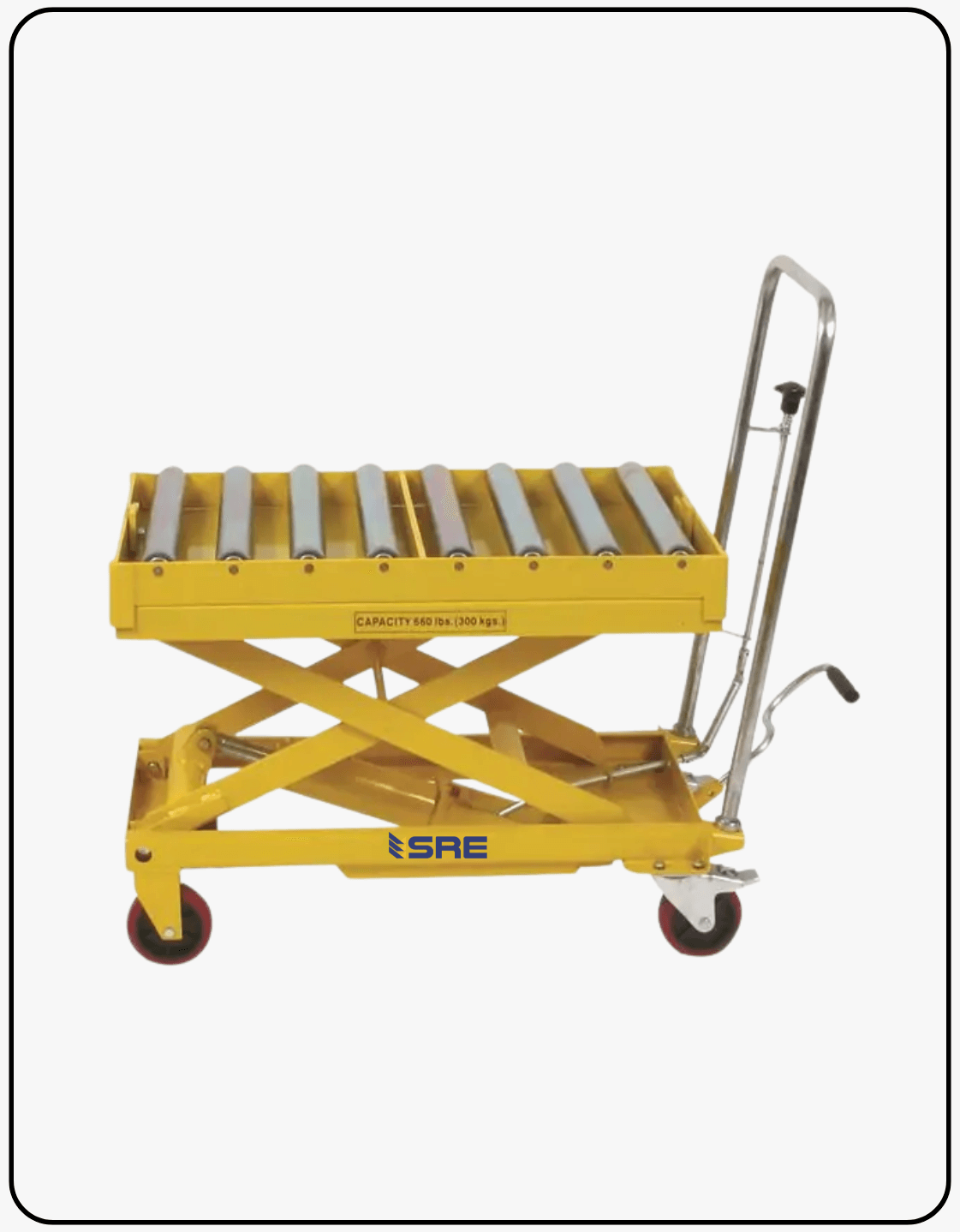
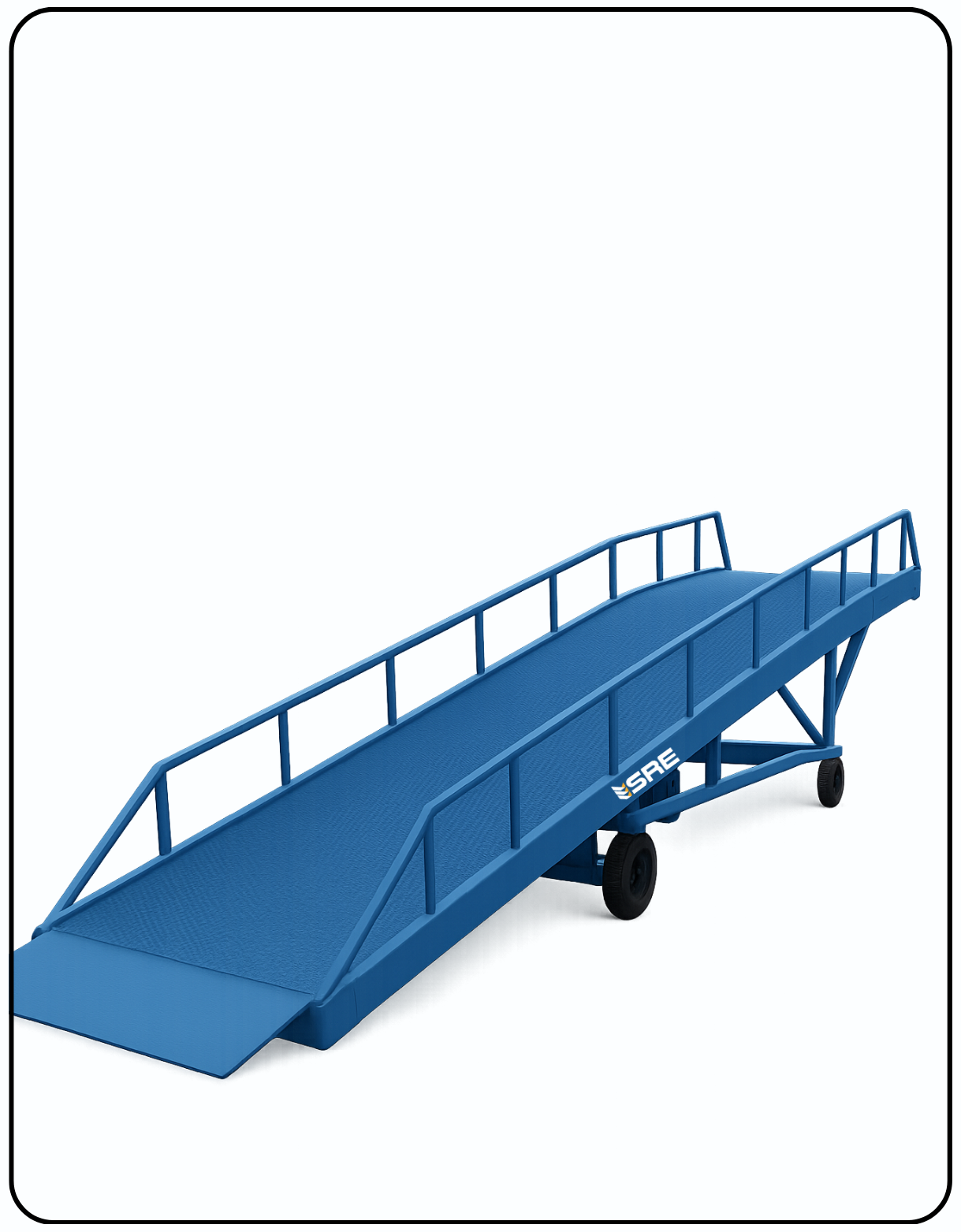
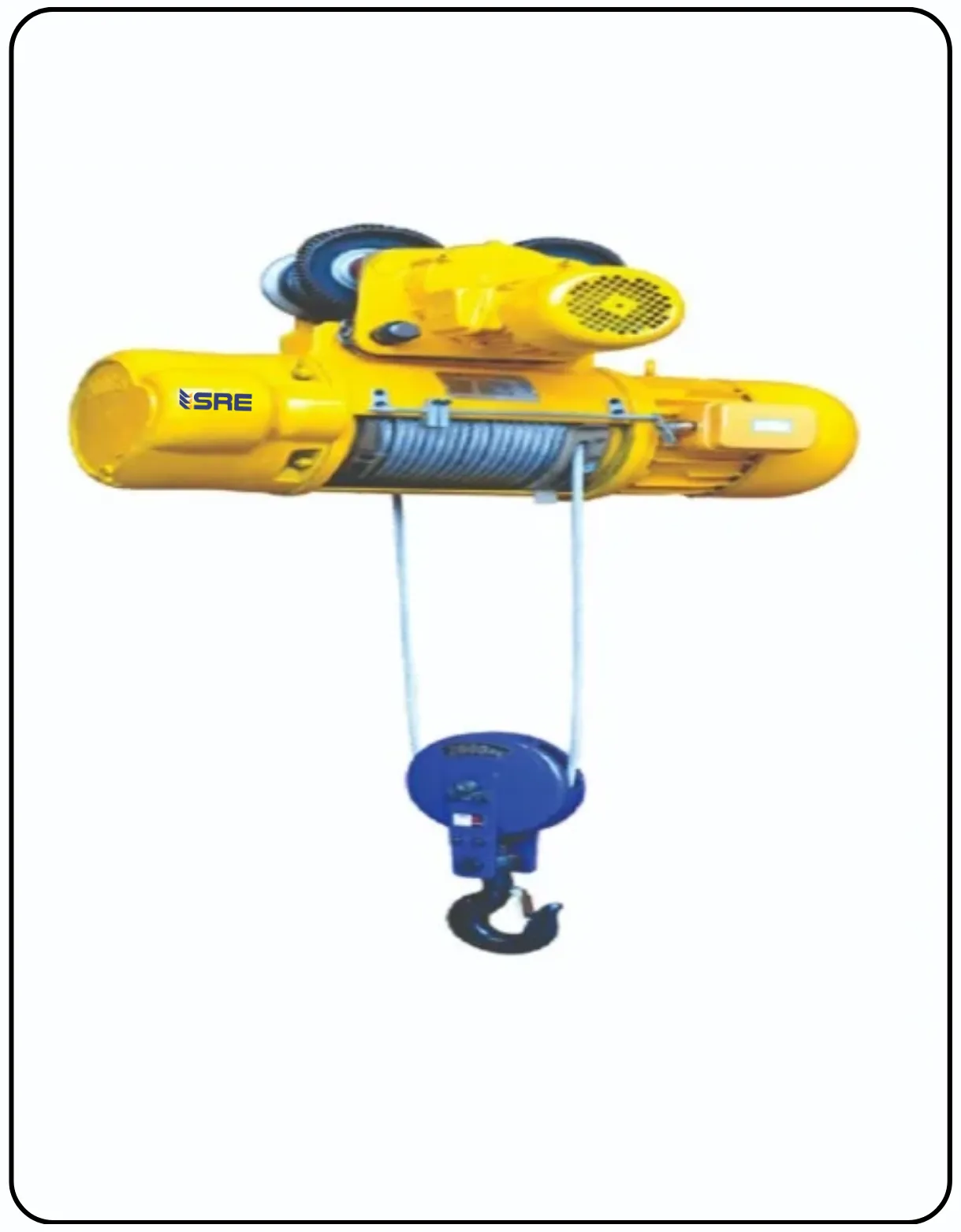
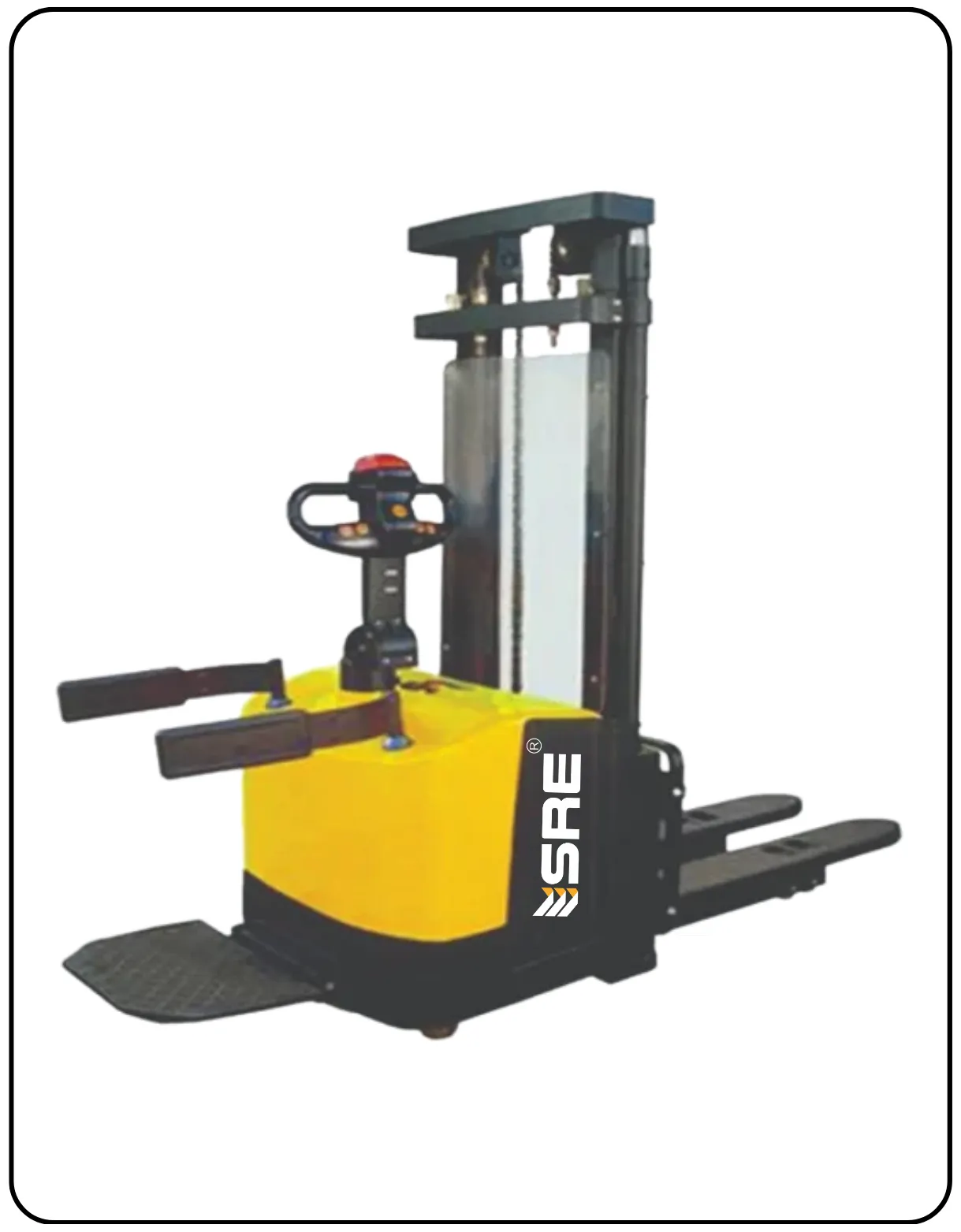
SRE Material Handling Equipment Pvt. Ltd.: Manufacturer, Supplier And Exporter Of Roller Scissor Lift Table in India.
SRE Material Handling Equipment Pvt. Ltd., Manufacturer And Supplier Of Roller Scissor Lift Table in Vadodara.
Our Manufacturing Unit is in Ahmedabad, Vadodara, and Rajkot, Gujarat, India.
Roller Scissor Lift Table in Vadodara: Practical Solutions for Modern Warehouse Operations
In daily warehouse and industrial operations, efficiency, safety, and reliability aren’t optional—they’re core performance metrics. As manufacturing volumes increase and supply chains tighten, many facilities in Vadodara and across India face real challenges: improving throughput without adding unnecessary labor fatigue, preventing injuries from repetitive lifting tasks, and streamlining internal logistics. Against this backdrop, the Roller Scissor Lift Table has emerged not as a futuristic gadget, but as a grounded, practical solution that real operations teams rely on for measurable improvements.
This blog explores why the Roller Scissor Lift Table is becoming a staple in warehouses and factories. It focuses on operational realities—speed, safety, consistency, and cost control—without hyperbole.
The Changing Needs of Modern Warehouses and Industrial Facilities
Warehouses today are not static storage spaces; they are dynamic hubs of activity. Orders are larger and more frequent. Turnaround times are shorter. Pressure to maintain accuracy while reducing costs is constant.
In a typical warehouse workflow, materials move from receiving docks to staging areas to storage zones and then to outbound loading. Each of these transitions can involve manual handling. In high-volume operations, manual lifting and positioning of heavy loads can become a bottleneck and a safety risk.
For example, moving heavy pallets from floor level to conveyor height repeatedly throughout a shift may seem simple, but over time this leads to fatigue, reduced productivity, and potential injuries. Warehouse owners, operations heads, and supply-chain managers increasingly recognize that traditional manual handling methods are no longer sufficient for sustained operational performance.
Enter the Roller Scissor Lift Table—a device designed for realistic workflow integration, bridging manual tasks and mechanized support.
What Is a Roller Scissor Lift Table?
In operational terms, a Roller Scissor Lift Table is a lift mechanism with an integrated roller deck. It allows teams to raise or lower goods to the desired height while facilitating smooth transfer onto conveyors or pallet jacks.
Unlike textbook definitions that list components in abstract terms, think of it this way: in daily operations this equipment functions as both a height-adjustable platform and a mini material transfer station. Rather than forcing workers to lift or slide heavy items manually, the Roller Scissor Lift Table elevates goods to ergonomic handling heights and uses the roller deck to roll items on or off with minimal effort.
This combination of vertical adjustment and horizontal transfer ability makes it especially effective in staging areas, production lines, packing stations, and conveyor interfaces.
Why Roller Scissor Lift Tables Are Replacing Traditional or Manual Equipment
In many traditional warehouses, teams rely on static tables, forklifts, or sheer manual muscle to move material between levels or into processing lines. These methods come with limitations:
- Manual lifting leads to fatigue and inconsistency.
- Static tables require additional equipment or awkward positioning.
- Forklifts in tight areas may be inefficient or unsafe.
By contrast, a Roller Scissor Lift Table addresses these challenges directly:
- Reduced Physical Strain: Operators no longer need to bend, lift, and twist repeatedly. Items can be positioned at waist height and easily rolled into place. This reduces the cumulative stress on workers across shifts.
- Consistent Handling: Unlike manual methods where work pace varies by individual, the Lift Table provides a consistent operational baseline across teams and shifts.
- Speed of Transfer: The integrated roller surface speeds up the horizontal movement of goods, particularly box-level or palletized loads, reducing idle time between tasks.
In environments where speed and safety are linked to bottom-line performance, these advantages are practical and measurable—not just theoretical.
Productivity Gains in Daily Operations
When considering new equipment, operations leaders always ask, “What difference will this make day-to-day?”
With a Roller Scissor Lift Table, productivity gains are immediate and practical:
- Faster Cycle Times: Adjusting load height and transferring materials via rollers speeds up repetitive tasks such as packing, assembly feeding, or conveyor interfacing.
- Consistent Output: Production lines can run at predictable speeds because materials are always presented at the correct height and orientation.
- Reduced Waiting Time: Operators spend less time maneuvering loads and more time on value-added work.
For example, in a packing station where cartons arrive at floor level but need to be sealed at bench height, a Roller Scissor Lift Table adjusts to the perfect ergonomic level. Workers roll cartons onto the next process station quickly, maintaining throughput without unnecessary delays.
Improved Workplace Safety
Safety is a non‑negotiable concern in industrial settings. Manual lifting and carrying are common causes of workplace injuries, especially in busy operations where fatigue accumulates over long shifts.
Here’s how a Roller Scissor Lift Table contributes to safer environments:
- Ergonomic Handling: Adjusting the working height to match operator comfort reduces strain on the back, shoulders, and knees.
- Controlled Movement: Integrated rollers facilitate smooth transfer, lowering the need for manual dragging or pushing that can cause slips or strains.
- Reduced Incident Risk: By minimizing awkward body mechanics, the likelihood of common warehouse injuries decreases over time.
Safety isn’t just about avoiding injuries; it’s about creating predictable, manageable workflows where risk is engineered out wherever possible.
Handling Heavier Loads with Ease
Modern warehouses deal with increasing variety and size of loads—from dense raw materials to bulky finished goods. Manual handling of such loads is not only inefficient but often unsafe.
Roller Scissor Lift Tables are designed with load stability and control in mind:
- Stable Platforms: The scissor mechanism provides a solid base that minimizes wobble or tilt during lifting or lowering.
- Higher Load Capacity: Compared to manual trolleys or low‑height tables, these units handle heavier weights without significant operator effort.
In operations where weight and weight distribution vary across products, having reliable load handling equipment pays dividends in operational stability.
Technology & Operational Efficiency
While the core principle of a Roller Scissor Lift Table is mechanical, the available technology choices affect operational uptime and reliability.
Key operational considerations include:
- Reliable Power Source: Whether hydraulic, electric, or battery‑assisted, the lift mechanism should match the operational cadence of the facility without frequent recharges or maintenance stoppages.
- Smooth Mechanisms: A well‑engineered scissor action combined with precision rollers reduces unexpected downtime due to jams or mechanical wear.
- Ease of Integration: Control panels and safety features (such as lockout systems or emergency stops) must be intuitive and compatible with existing operations.
Operations teams often find that equipment with straightforward, robust mechanisms outperforms more complex alternatives in environments where uptime is critical.
Space Optimization & Maneuverability
Not all warehouses have the luxury of expansive layouts. Narrow aisles, packed staging zones, and dynamic floor plans make space optimization essential.
Roller Scissor Lift Tables support these needs in several ways:
- Compact Footprint: Their vertical lift design maximizes usable floor space while adding functionality.
- Narrow‑Aisle Friendly: When selected appropriately, these units can be positioned in tighter spaces without impeding traffic flow.
- Flexible Positioning: Mobile or semi‑mobile configurations allow teams to reposition based on evolving workflow needs.
The ability to fit advanced material handling equipment into constrained spaces without disruption is a practical advantage many facilities appreciate.
Cost Efficiency Over Time
Industrial decision‑makers are rightly wary of upfront cost comparisons that ignore long‑term value. While Roller Scissor Lift Tables represent an investment, their total cost of ownership often justifies that investment over time, through:
- Reduced Labor Costs: Operators spend less time on low‑value, repetitive tasks.
- Lower Injury‑Related Expenses: Fewer ergonomic injuries reduce downtime, compensation claims, and turnover costs.
- Minimized Downtime: Reliable equipment means fewer interruptions to workflows.
Viewed over a standard equipment lifecycle (often five years or more), the lift table’s contribution to workflow stability and labor efficiency can result in measurable savings.
Sustainability and Compliance
In environments governed by safety and quality standards, compliance is a baseline requirement—not a competitive advantage.
A Roller Scissor Lift Table supports sustainability and compliance in practical terms:
- Cleaner Operations: Fewer injury incidents and smoother workflows reduce waste associated with rework or disruptions.
- Energy‑Efficient Options: Modern electric or battery‑assisted units are designed for low energy consumption in continuous use environments.
- Regulatory Alignment: Ergonomic improvements and safety features help facilities meet occupational health and safety mandates.
Sustainability in industrial operations isn’t just environmental; it’s also about creating safe, efficient, and compliant workflows.
Integration with Warehouse and Factory Workflow
For operations heads and logistics managers, integration is not a buzzword—it’s a necessity. Equipment must fit into existing systems, not disrupt them.
A Roller Scissor Lift Table fits naturally into common industrial workflows:
- Feeding Production Lines: Aligning material heights between receiving and processing.
- Buffer Stations: Acting as intermediate staging platforms between conveyors or workcells.
- Inbound/Outbound Interfaces: Helping load and unload materials from trucks or containers without excessive manual handling.
Integration often requires a thoughtful match of equipment specifications with workflow steps. In practice, this means discussing lift height ranges, roller specifications, load capacities, and control options with operations teams before procurement.
Training, Ease of Use, and Maintenance
Real equipment stays useful only if teams can operate and maintain it reliably. In daily operations, simplicity matters:
- Basic Training Requirements: Operators can be trained quickly on safe usage and height adjustment.
- Predictable Maintenance: Routine checks for hydraulic fluid levels, roller lubrication, or electrical connections help prolong service life.
- Standardized Controls: Familiar control panels and safety features reduce hesitation and misuse.
Operations teams consistently tell us that predictable, low‑complexity maintenance schedules fit better into real shift routines than equipment that demands specialized service staff.
Why Choosing a Reliable Manufacturer Matters
Not all Roller Scissor Lift Tables are created equal. For procurement teams and facility managers, manufacturer reliability is fundamental.
Here’s what to consider:
- Quality and Compliance Standards: Ensure equipment meets industry safety norms and material handling standards.
- After‑Sales Support: Access to maintenance support, spare parts, and technical consultation reduces lifecycle risk.
- Proven Track Record: Experience with real industrial deployments indicates a manufacturer understands practical challenges—not just theoretical designs.
Choosing a partner with solid field experience and genuine support capabilities saves time, reduces headaches, and leads to better long‑term outcomes.
Conclusion
In modern industrial environments, where speed, consistency, and safety define operational excellence, the Roller Scissor Lift Table stands out not as a luxury but as a sensible investment. It addresses real problems—ergonomic strain, workflow bottlenecks, inconsistent handling, and integration challenges—with practical engineering and unfussy reliability.
For warehouses and factories in Vadodara and beyond, adopting robust material handling solutions like the Roller Scissor Lift Table is about future‑proofing daily processes, improving team safety, and optimizing total cost of operations.
If you’re evaluating options for enhancing your facility’s productivity and safety standards, exploring robust solutions like the Roller Scissor Lift Table is a practical step forward.
For detailed inquiries, specification guidance, and professional consultation, visit SRE MATERIAL HANDLING EQUIPMENT PRIVATE LIMITED at: https://www.sremhepvtltd.com/
Key Takeaways
- Productivity: Roller Scissor Lift Tables speed up repetitive internal handling tasks and standardize workflow output across shifts.
- Safety: Ergonomic height adjustment and smooth transfer mechanisms reduce the risk of manual handling injuries.
- Load Handling: Designed to manage heavier and varied loads with stability and control.
- Cost Efficiency: Long‑term value through reduced labor strain, fewer accidents, and lower operational downtime.
- Industry Trend: As warehouses grow and expectations rise, integrated material handling solutions like Roller Scissor Lift Tables become fundamental to modern operations.
Trending FAQs
Q: How does a Roller Scissor Lift Table improve warehouse efficiency?
A: By combining vertical lifting with a roller deck for smooth material transfer, it reduces manual handling time and aligns load heights with process requirements.
Q: Is specialized training needed to operate these tables?
A: Basic operational training is sufficient. Controls are intuitive and maintenance requirements are predictable.
Q: Can smaller facilities benefit from this equipment?
A: Yes. Even in compact warehouses, roller lift tables improve safety and workflow without requiring excessive space.
Q: What industries benefit the most?
A: Manufacturing, logistics, packaging, distribution centers, automotive parts handling, and any facility with repetitive internal movements.
Get in touch with us for expert assistance today. Call +91 9316 208879 or sremhepvtltd2025@gmail.com for assistance now.
#RollerScissorLiftTable #WarehouseEfficiency #IndustrialSafety #MaterialHandlingSolutions #SREMaterialHandlingEquipmentPrivateLimited #FactoryOperations #VadodaraIndustry #SupplyChainSolutions