
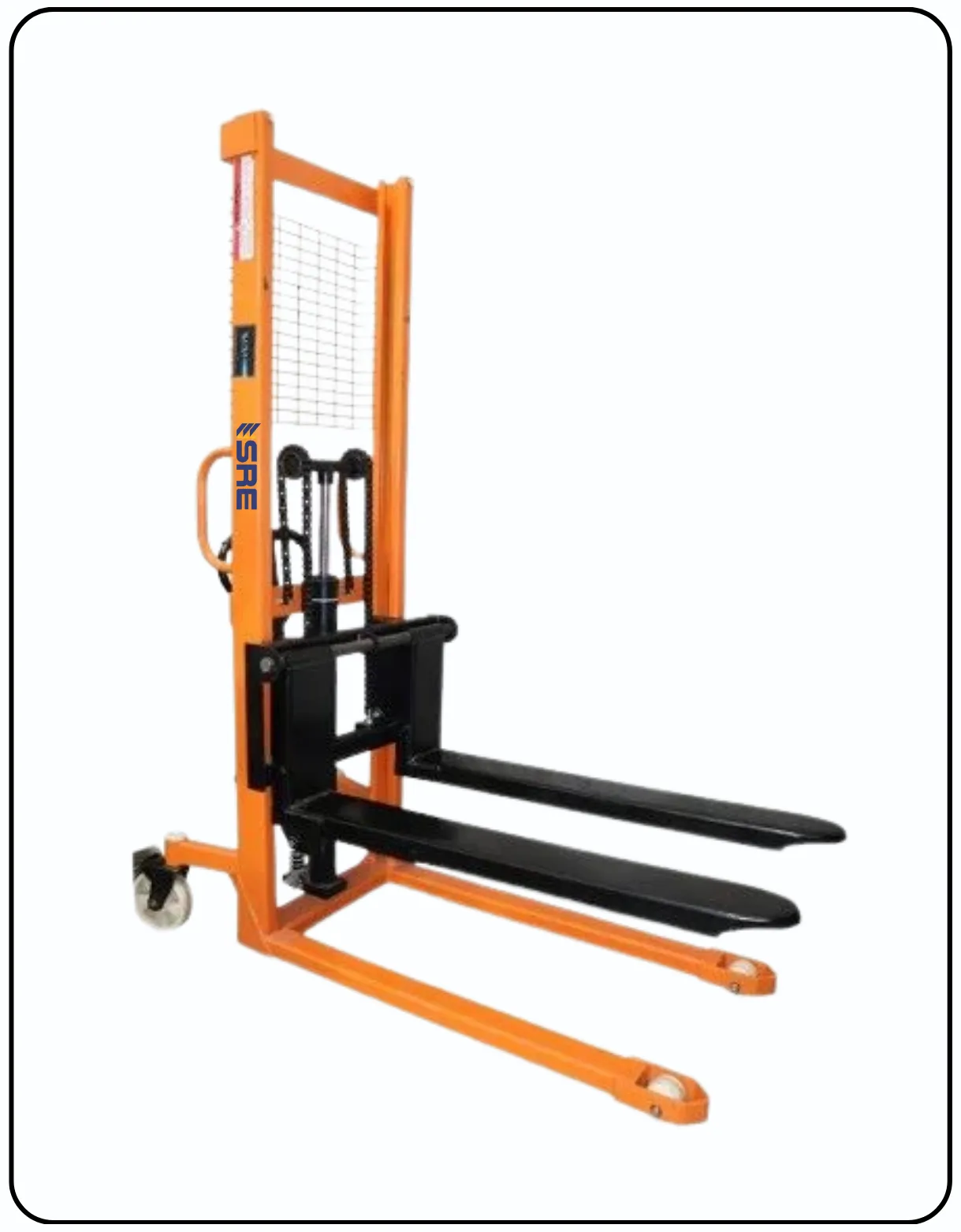
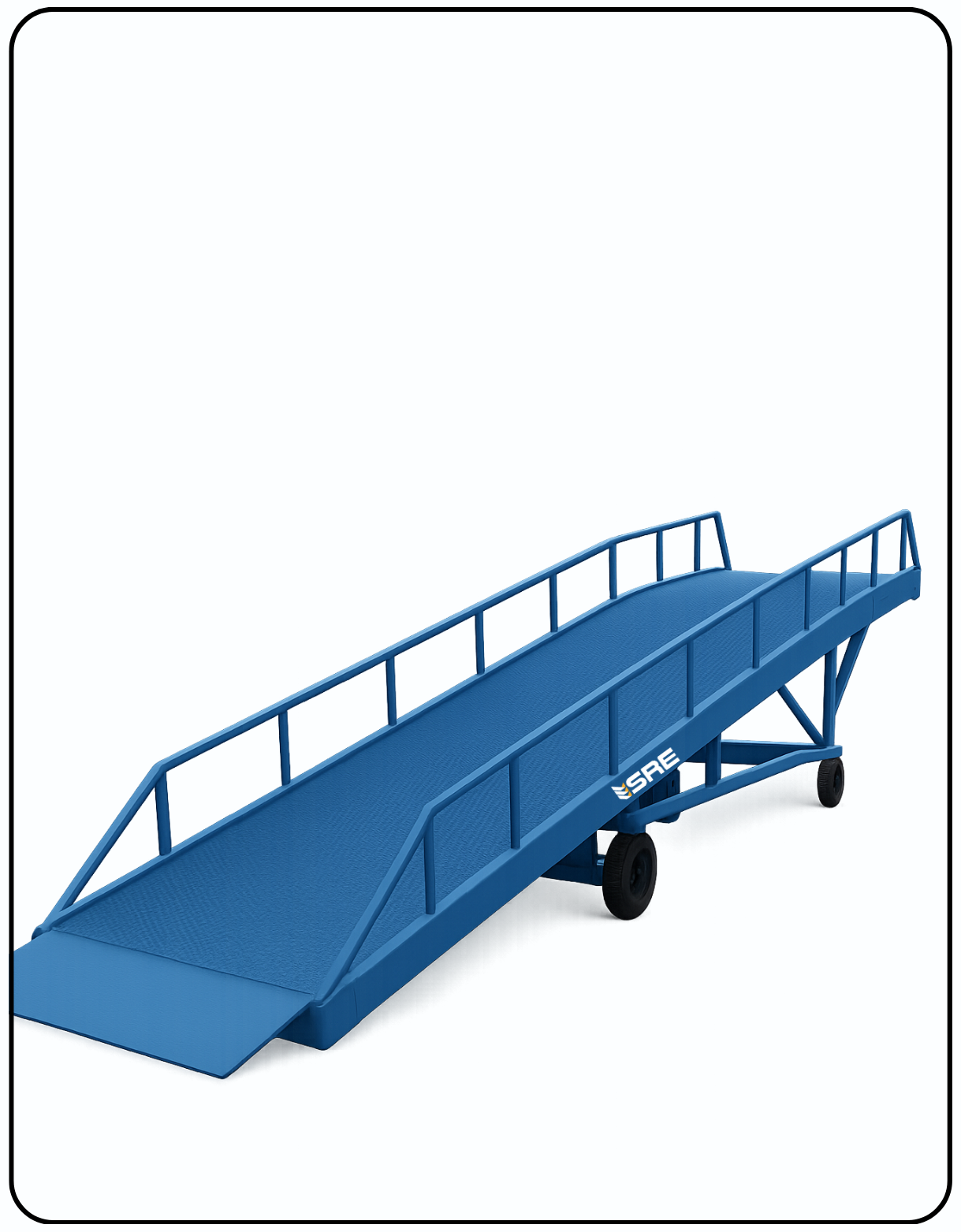
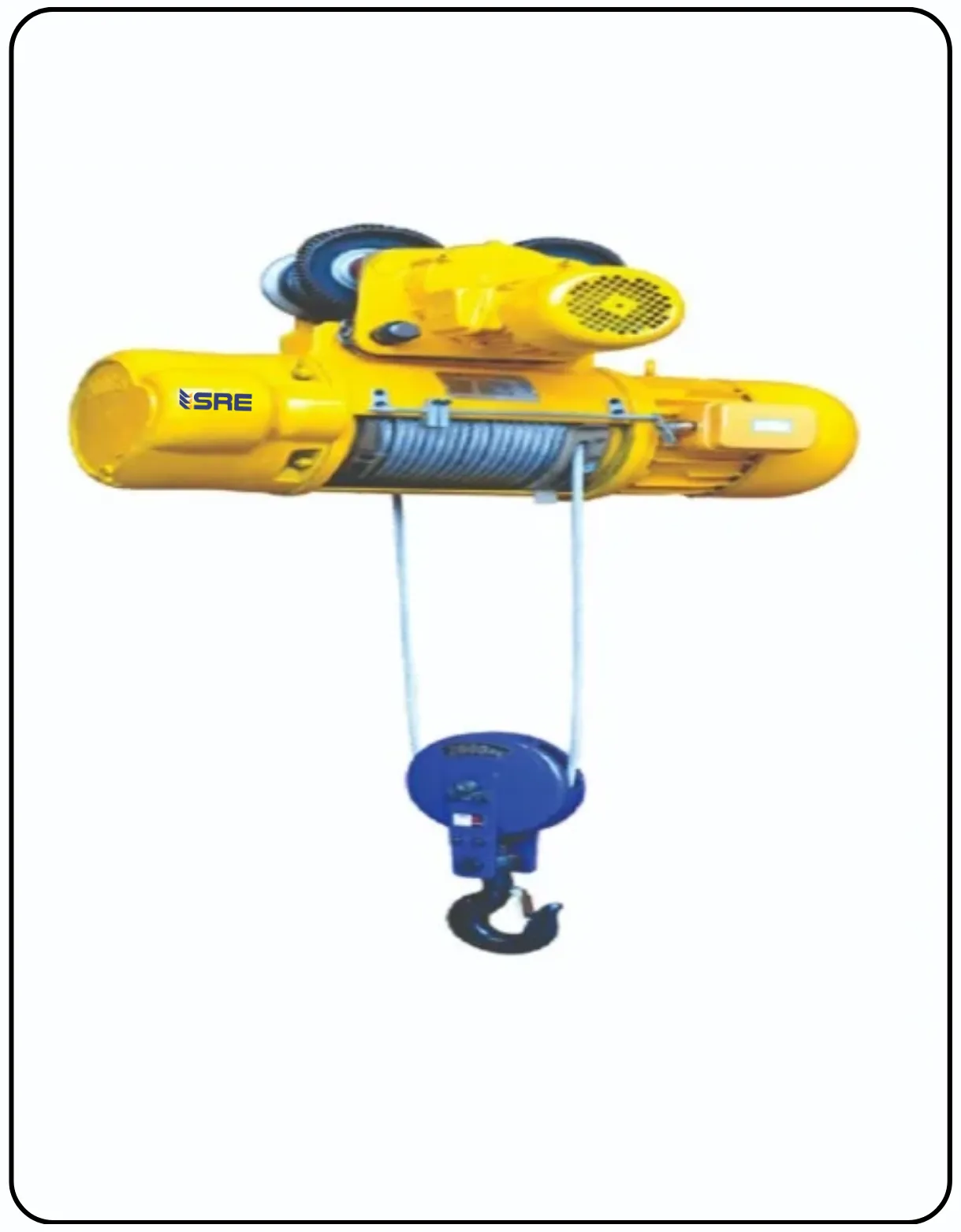
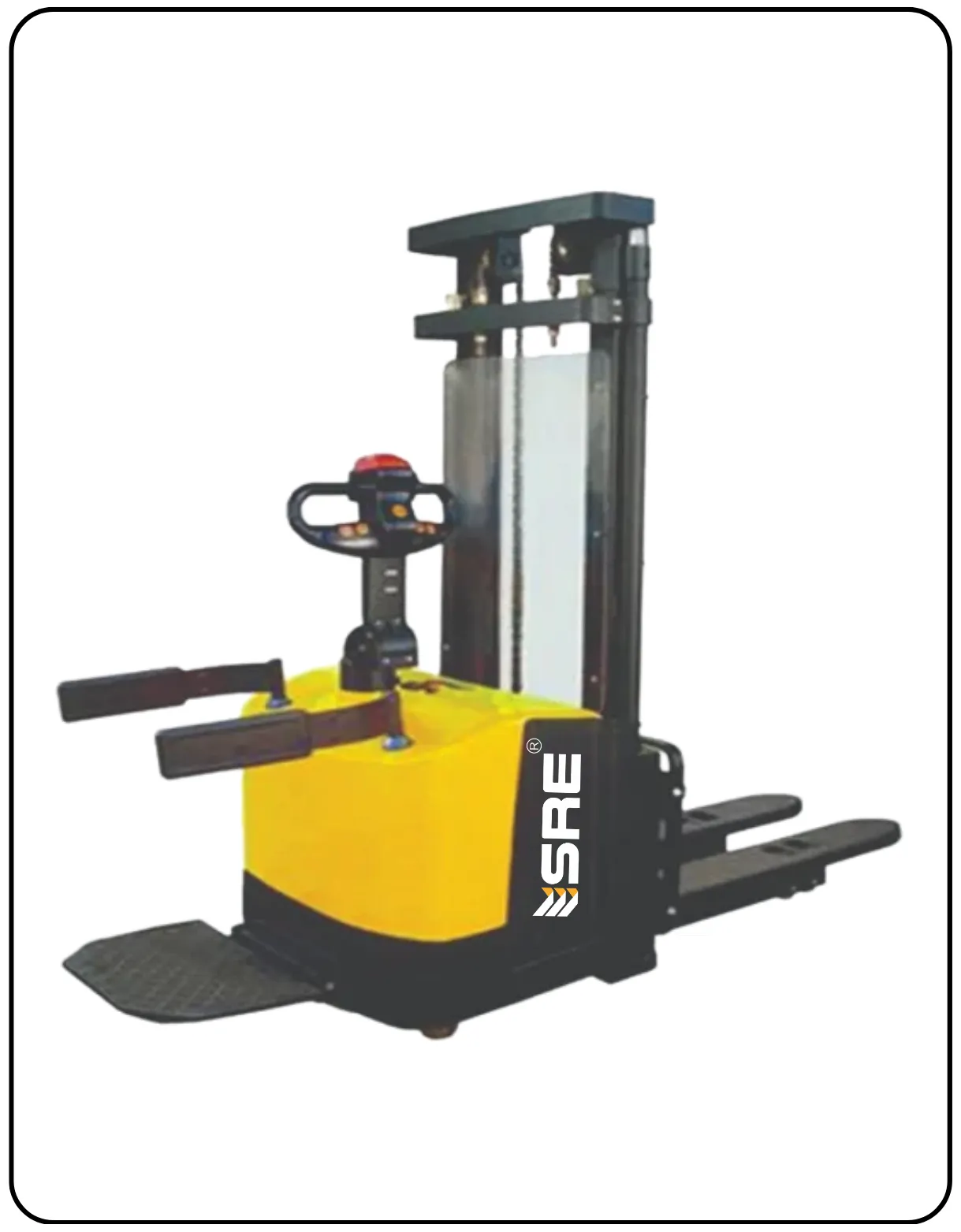
SRE Material Handling Equipment Pvt. Ltd.: Manufacturer, Supplier And Exporter Of Hydraulic Stacker in India.
SRE Material Handling Equipment Pvt. Ltd., Manufacturer And Supplier Of Hydraulic Stacker in Pune.
Our Manufacturing Unit is in Ahmedabad, Vadodara, and Rajkot, Gujarat, India.
Hydraulic Stacker in Pune: Enhancing Efficiency and Safety in Modern Warehouses
Introduction
Warehouse and industrial operations have seen tremendous evolution over the past decade. With increasing production volumes, tighter deadlines, and higher expectations for safety and operational efficiency, traditional manual handling methods often fall short. Warehouse managers, operations heads, and supply-chain decision-makers face daily challenges such as speeding up workflows, reducing labor fatigue, and maintaining safety standards.
In this landscape, the Hydraulic Stacker has emerged as a practical and reliable solution for managing heavy loads efficiently, safely, and consistently in Pune’s growing industrial ecosystem.
The Changing Needs of Modern Warehouses and Industries
Modern warehouses are under constant pressure to handle larger volumes in shorter timeframes. Daily operations involve moving pallets, stacking goods, and organizing materials across tight spaces. Workflow bottlenecks, delayed shipments, and employee fatigue are common pain points that directly impact productivity and cost-efficiency.
In real-life industrial setups, operators often struggle with repetitive lifting, navigating narrow aisles, and ensuring load stability. These challenges highlight the necessity for equipment that can maintain operational speed without compromising safety.
What Is a Hydraulic Stacker?
A Hydraulic Stacker is a mechanized lifting device designed for stacking, transporting, and positioning pallets and heavy materials. Unlike manual trolleys or forklifts, hydraulic stackers rely on hydraulic mechanisms to lift loads vertically, often with minimal human exertion.
In practical terms, it allows operators to move and stack goods precisely and efficiently, especially in spaces where conventional forklifts may not maneuver easily.
Why Hydraulic Stackers Are Replacing Traditional Equipment
Manual material handling has inherent limitations. Prolonged lifting and pushing can cause fatigue, reduce consistency, and increase the risk of accidents. Hydraulic stackers address these concerns:
- Fatigue Reduction: Operators can lift heavy loads with minimal physical effort.
- Consistent Handling: Each movement is controlled, reducing errors and damage.
- Efficiency: Tasks that previously required multiple workers can now be handled by one operator.
The transition to hydraulic stackers allows warehouses to maintain higher productivity levels while safeguarding worker well-being.
Productivity Gains in Daily Operations
In daily warehouse operations, time is critical. Hydraulic stackers streamline repetitive lifting and stacking, significantly reducing cycle times. For example:
- Loading/unloading pallets can be performed faster with smooth hydraulic lifts.
- Stacking at consistent heights ensures uniform storage, simplifying inventory management.
- Operations across multiple shifts remain consistent, supporting continuous workflow without bottlenecks.
These improvements translate into tangible operational gains, enabling warehouses to meet higher demand efficiently.
Improved Workplace Safety
Safety is paramount in industrial settings. Hydraulic stackers reduce the risk of injuries associated with manual lifting and heavy material handling.
Key safety benefits include:
- Ergonomic Handling: Operators avoid strenuous bending or lifting.
- Controlled Movement: Hydraulic systems ensure smooth and predictable load movement.
- Reduced Accidents: Stable lifting minimizes load tipping or accidental drops.
Practical safety reasoning demonstrates that stackers are not just convenience tools—they actively prevent workplace injuries and associated downtime.
Handling Heavier Loads with Ease
Modern warehouses increasingly manage heavier and bulkier items. Hydraulic stackers provide stability and precise control for lifting loads that would otherwise require multiple staff members or specialized forklifts.
- Load capacities typically range to meet medium to heavy warehouse needs.
- Adjustable forks and mast designs ensure stability during vertical lifts.
- Operators can maneuver loads in narrow aisles without compromising safety.
This makes hydraulic stackers a preferred choice for industries like manufacturing, logistics, and e-commerce fulfillment centers.
Technology and Operational Efficiency
Modern hydraulic stackers incorporate advanced mechanical and battery systems that enhance operational uptime. In Pune’s warehouses, where shifts often run continuously, these advantages are crucial:
- Battery-powered units: Provide extended operational periods with quick recharging.
- Reliable hydraulic systems: Reduce maintenance frequency and avoid unexpected downtime.
- Low-noise operation: Contributes to a safer, more comfortable warehouse environment.
These technological benefits ensure that hydraulic stackers remain practical and dependable assets in daily operations.
Space Optimization and Maneuverability
Warehouses often face spatial constraints. Hydraulic stackers are designed with compact frames and narrow aisle maneuverability, allowing operators to utilize available storage efficiently.
- Can navigate tight storage lanes.
- Facilitate high-density stacking without requiring extra floor space.
- Enhance overall warehouse layout efficiency.
Optimized space usage directly supports faster material retrieval and streamlined workflows.
Cost Efficiency Over Time
While the upfront investment in a hydraulic stacker may seem significant compared to manual equipment, long-term benefits justify the cost:
- Reduced labor stress and fatigue improve employee retention and reduce sick days.
- Minimizing workplace injuries decreases compensation claims and operational interruptions.
- Consistent performance lowers material damage costs.
Investing in reliable material handling equipment leads to measurable savings over time.
Sustainability and Compliance
Hydraulic stackers also contribute to cleaner, more sustainable operations. Battery-powered models reduce emissions compared to combustion-based forklifts, aligning with environmental compliance standards and corporate sustainability goals.
- Energy-efficient hydraulic systems minimize power consumption.
- Reduced reliance on manual labor supports ergonomic workplace compliance.
- Sustainability-conscious operations increasingly consider these factors as part of regulatory and corporate responsibility frameworks.
Integration with Warehouse and Factory Workflow
Hydraulic stackers integrate seamlessly into existing warehouse and factory workflows:
- Can work alongside conveyors, racking systems, and palletizing stations.
- Compatible with diverse storage layouts, from high racks to narrow-aisle shelves.
- Supports coordinated operations with minimal disruption.
This ensures that introducing stackers enhances productivity rather than creating workflow bottlenecks.
Training, Ease of Use, and Maintenance
A key advantage of hydraulic stackers is their simplicity:
- Operators require minimal training to handle units safely and efficiently.
- Basic maintenance routines ensure predictable longevity.
- Parts replacement and service support are straightforward, reducing downtime.
- Ease of use encourages adoption among warehouse staff and reduces operational errors.
Why Choosing a Reliable Manufacturer Matters
Selecting a trusted manufacturer is critical for consistent performance and support. In Pune, SRE MATERIAL HANDLING EQUIPMENT PRIVATE LIMITED offers experience-backed solutions:
- Compliant with industrial safety and quality standards.
- Provides ongoing service support for maintenance and operational guidance.
- Supplies equipment suited to real-world warehouse and industrial needs.
Choosing reliable equipment ensures operational stability and reduces long-term risks.
Conclusion
Hydraulic stackers are no longer optional in modern warehouses—they are essential tools for efficiency, safety, and productivity. From handling heavier loads to optimizing space, improving workplace safety, and reducing labor fatigue, these machines address real operational challenges faced daily in Pune’s warehouses and factories.
For industrial decision-makers seeking practical solutions, integrating hydraulic stackers can lead to measurable improvements in workflow efficiency and employee safety.
Explore reliable hydraulic stacker options at SRE MATERIAL HANDLING EQUIPMENT PRIVATE LIMITED to enhance your warehouse operations today.
Key Takeaways
- Productivity: Streamlines daily operations, reduces handling time.
- Safety: Reduces workplace injuries, promotes ergonomic handling.
- Load Handling: Supports heavier loads with stability and control.
- Cost Efficiency: Long-term savings through reduced downtime and labor stress.
- Industry Trend: Essential equipment for modern warehouse optimization.
Trending FAQ
Q1: What load capacities do hydraulic stackers typically handle? A1: Depending on the model, hydraulic stackers can lift anywhere from 1,000 kg to over 3,000 kg, suitable for medium to heavy warehouse applications.
Q2: How much training is required to operate a hydraulic stacker? A2: Most operators can become proficient with a few hours of practical training, as the equipment is designed for intuitive handling.
Q3: Can hydraulic stackers operate in narrow aisles? A3: Yes, their compact design and maneuverability allow safe operation in tight warehouse spaces.
Q4: Are battery-powered hydraulic stackers environmentally friendly? A4: Yes, battery-operated units reduce emissions and support energy-efficient warehouse operations.
Q5: How do hydraulic stackers improve workplace safety? A5: By reducing manual lifting, controlling load movement, and stabilizing heavy pallets, stackers significantly lower the risk of injuries.
Reach SRE MATERIAL HANDLING EQUIPMENT PRIVATE LIMITED for expert support. Call +91 9316 208879 or email sremhepvtltd2025@gmail.com
#HydraulicStacker #WarehouseEfficiency #IndustrialEquipment #SREMaterialHandling #PuneWarehouses #LoadHandling #WorkplaceSafety #OperationalExcellence #MaterialHandlingEquipment #WarehouseOptimization