
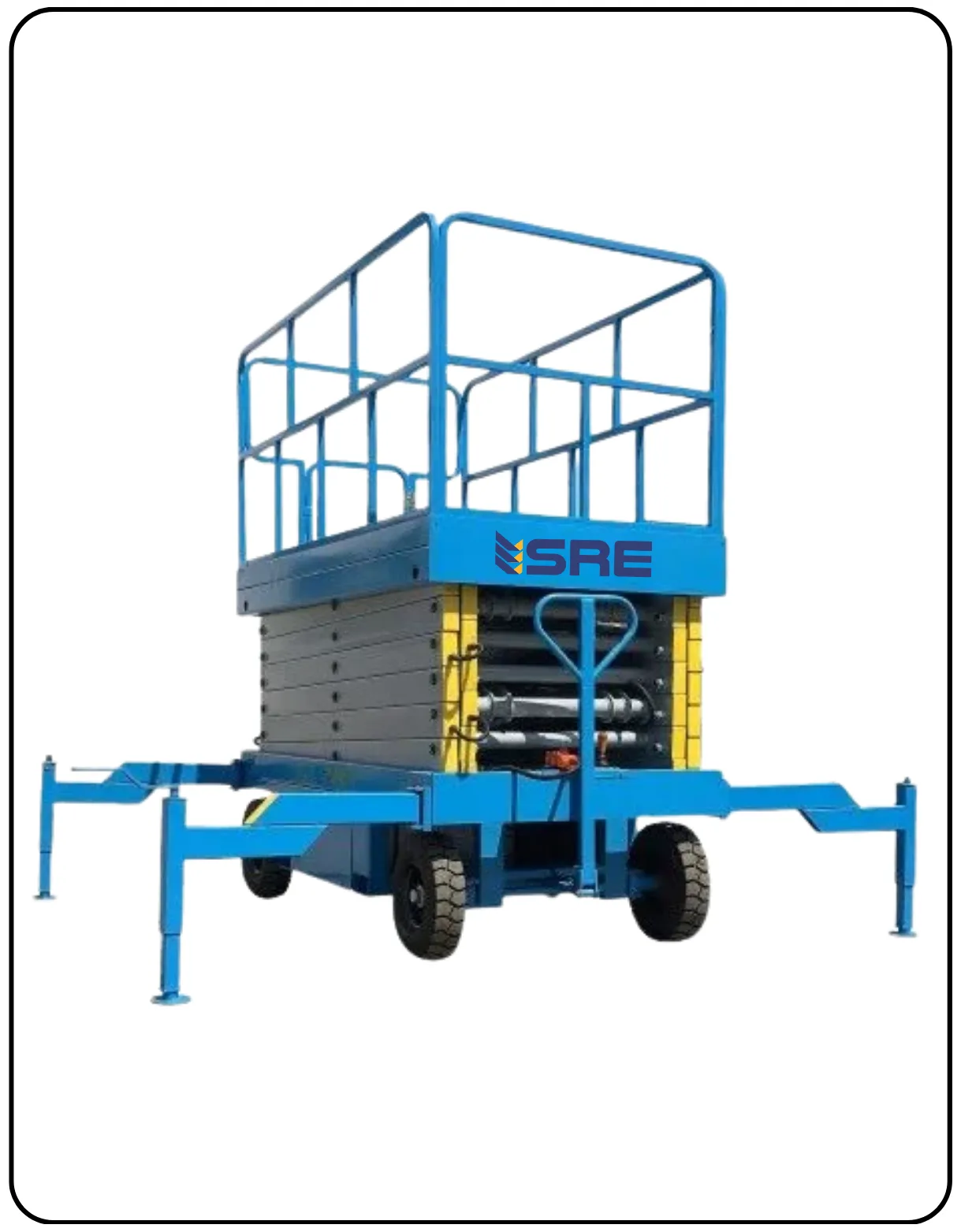
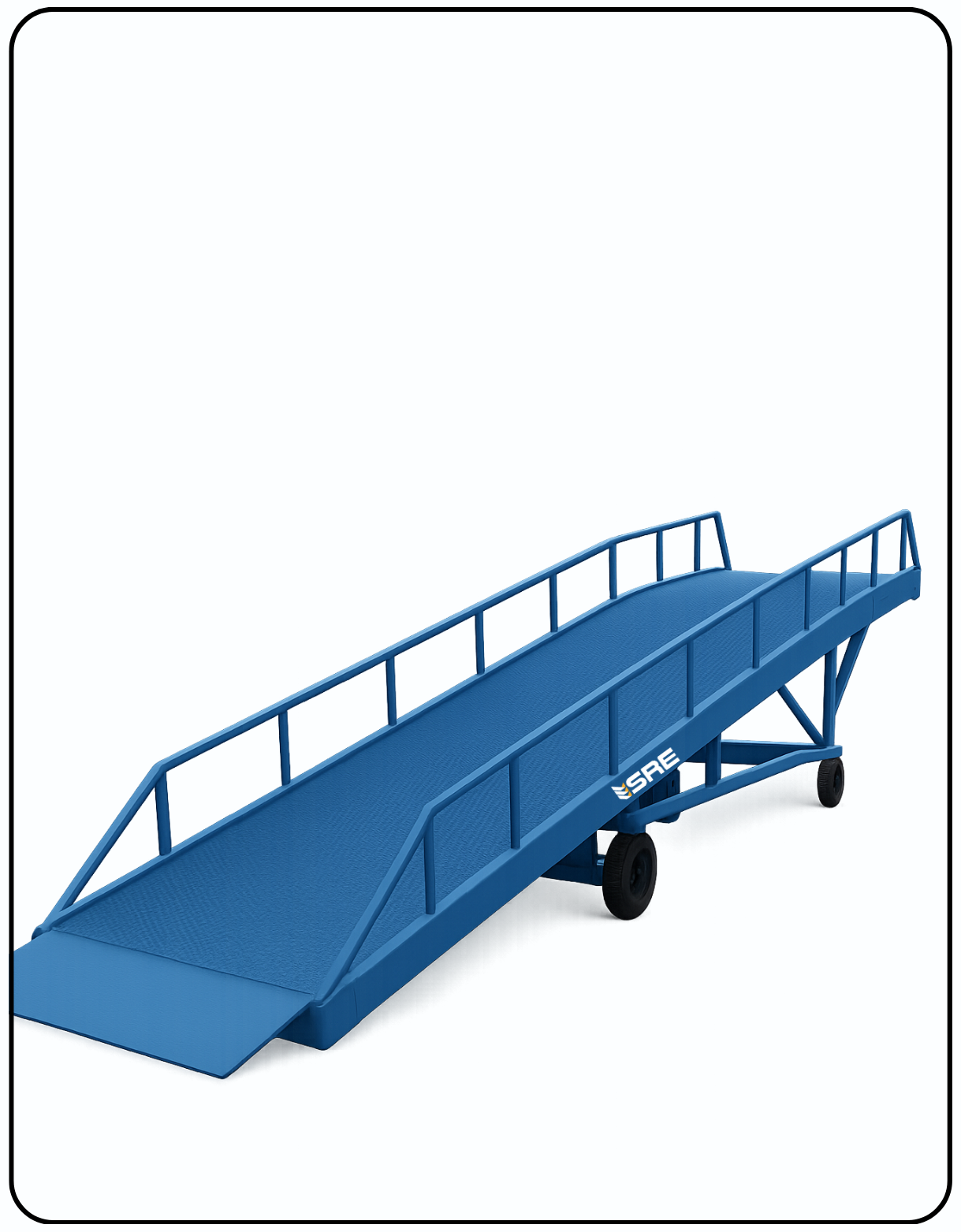
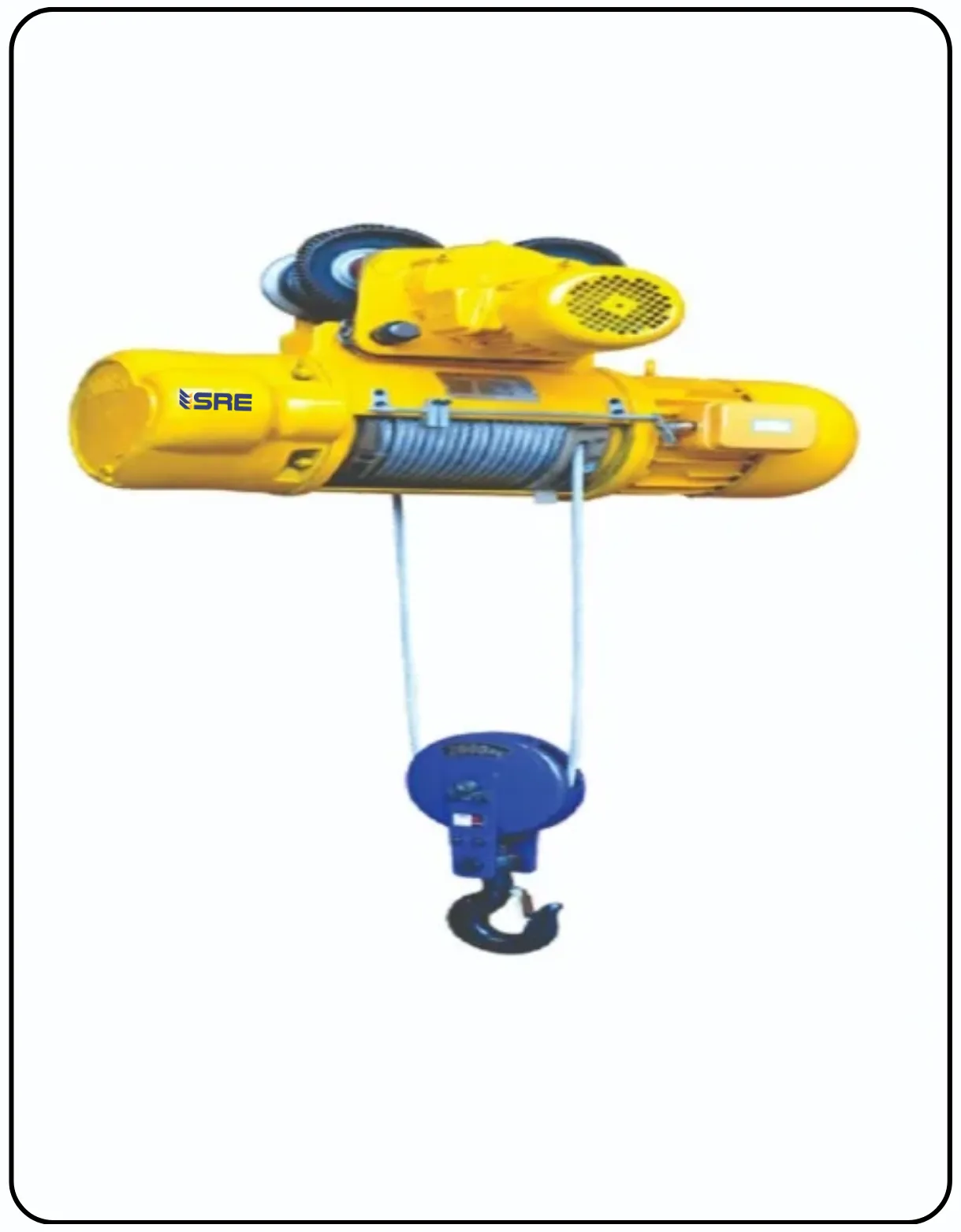
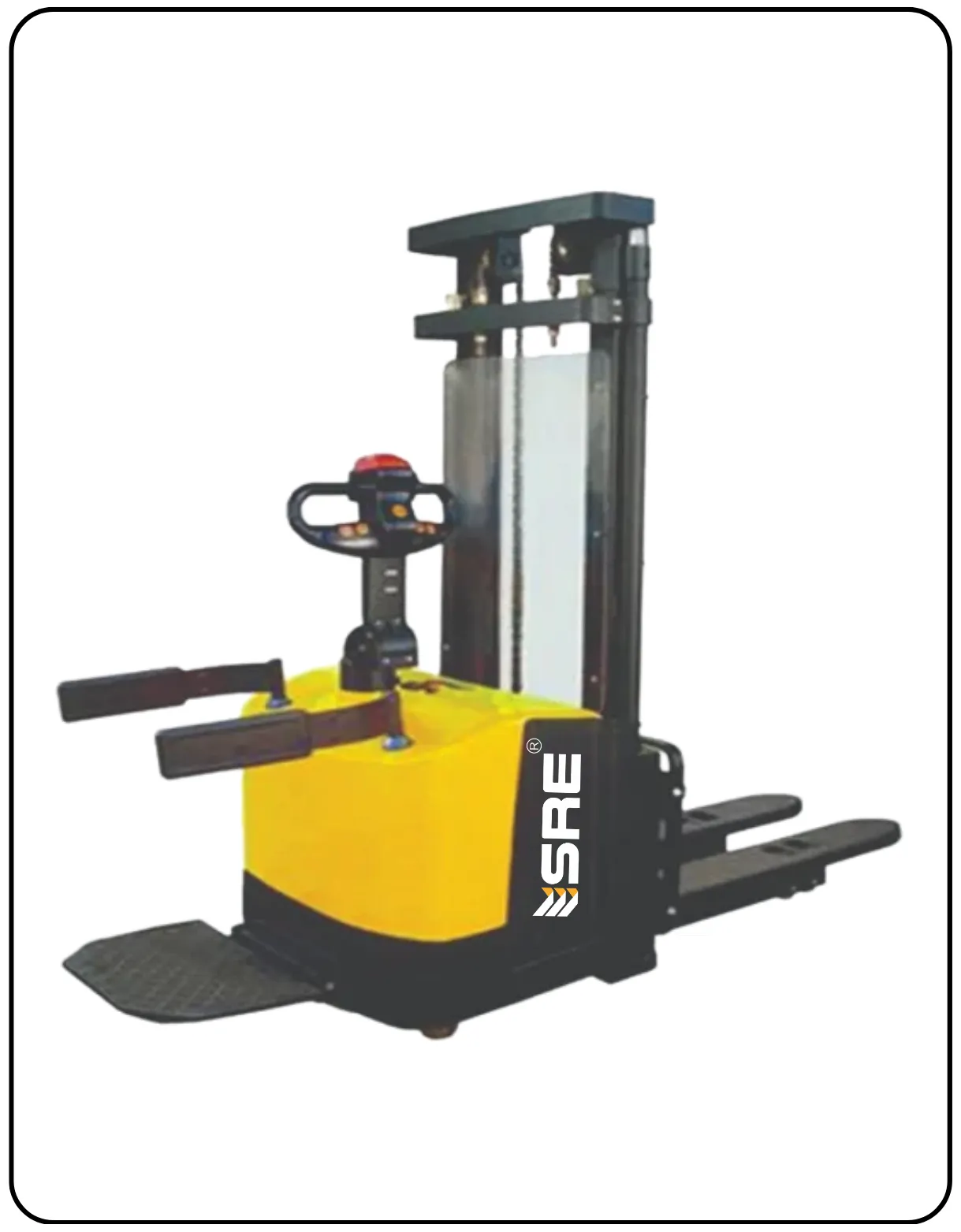
SRE Material Handling Equipment Pvt. Ltd.: Manufacturer, Supplier And Exporter Of Mobile Scissor Lift Table in Gujarat.
SRE Material Handling Equipment Pvt. Ltd., Manufacturer And Supplier Of Mobile Scissor Lift Table in Vadodara.
Our Manufacturing Unit is in Ahmedabad, Vadodara, and Rajkot, Gujarat, India.
Mobile Scissor Lift Table in Vadodara: A Practical Guide for Industrial Operations
In daily warehouse and factory operations, even small inefficiencies add up. With increasing throughput expectations and tighter delivery schedules, the pressure on teams to move, lift, and position materials quickly and safely is higher than ever. Traditional manual handling methods strain labor, increase cycle times, and open the door to costly injuries. This is where a Mobile Scissor Lift Table becomes more than just another piece of equipment—it becomes a practical tool for solving real-world challenges in internal logistics and material handling.
In this blog, we’ll explore how a Mobile Scissor Lift Table fits into the fabric of modern industrial operations, particularly in and around Vadodara, helping warehouse owners, factory managers, operations heads, and procurement teams make informed decisions grounded in experience and practicality.
The Changing Needs of Modern Warehouses and Industrial Environments
Warehouses and manufacturing units today are not the low-volume, manually paced operations of the past. Rapid e-commerce growth, lean manufacturing practices, and same-day delivery expectations have changed the rules of engagement.
Operational pain points commonly observed include:
- Rising throughput demands: Teams are expected to handle more pallets, crates, and components per shift.
- Cycle time pressure: Faster turnaround between receiving, staging, and dispatching materials.
- Labor fatigue: Repetitive bending, lifting, or positioning of heavy loads accelerates fatigue, reducing productivity and morale.
- Safety concerns: Manual lifts and awkward postures contribute to an increase in musculoskeletal injuries.
In this context, material handling solutions must not only increase efficiency but also improve workplace safety. The Mobile Scissor Lift Table directly addresses these pressures by streamlining load handling while reducing manual strain.
What Is a Mobile Scissor Lift Table?
Put simply, a Mobile Scissor Lift Table is a mobile platform that can be raised or lowered using a scissor mechanism. Unlike fixed lift tables, this model is designed to move with the load—making it ideal for dynamic warehouse environments.
In practical terms, operations teams use these tables to:
- Elevate heavy materials to ergonomic working heights
- Transfer loads between workstations with minimal manual handling
- Position goods for packing, sorting, or machine feeding
Every day use in factories and warehouses confirms that a Mobile Scissor Lift Table is not an abstract productivity booster—it is a tool that operators rely on to make workflows more predictable, reliable, and less physically taxing.
Why Mobile Scissor Lift Table Is Replacing Traditional and Manual Methods
Traditional approaches often involve forklifts, manual trolleys, or worker teams lifting and shifting. These methods work—until they don’t. Consider these real-world limitations:
- Manual lifting contributes to fatigue and injuries: Even with training, repeatedly lifting heavy boxes or materials increases the risk of strains and lost-time injuries.
- Forklifts and pallet jacks require dedicated operators: This adds to labor costs and coordination overhead, especially for short-distance vertical positioning.
- Inconsistent load heights waste time: Operators adjust manually, slowing down packing or staging operations.
By contrast, a Mobile Scissor Lift Table:
- Reduces the ergonomic burden by raising and lowering loads to the optimal working height
- Enables a single operator to move and position heavy items efficiently
- Improves consistency across shifts, reducing cycle time variability
In daily operations, these factors translate into measurable gains—not abstract promise.
Productivity Gains in Daily Operations
In busy warehouse aisles and production floors, productivity gains are not random; they emerge from repeatable, reliable processes. The Mobile Scissor Lift Table contributes by:
- Reducing Idle Time: Instead of waiting for a forklift or multiple workers to coordinate a lift, operators can position the lift table within seconds. Time savings over dozens of cycles per shift quickly add up.
- Smoothing Workflow: Workstations with inconsistent heights are common pain points. With a Mobile Scissor Lift Table, materials are brought to a consistent height, reducing operator motion and cycle time.
- Supporting Shift Consistency: Across shifts, variations in staff experience can lead to uneven performance. A dependable, easy-to-use lift table levels the playing field—helping newer operators keep pace with seasoned staff.
In practical terms, teams consistently report smoother material flow and less “downtime” between picking and handling tasks when a Mobile Scissor Lift Table is integrated into the workflow.
Improved Workplace Safety: Reducing Injuries and Fatigue
Safety is not a slogan—it’s a measurable outcome. In warehouses and factories, overexertion injuries from lifting, bending, and awkward postures are a persistent issue. A Mobile Scissor Lift Table helps on several fronts:
- Ergonomic Handling: By elevating loads to waist or chest height, operators avoid bending, twisting, or awkward reaches. This directly reduces low back strain and shoulder fatigue over long shifts.
- Controlled Movement: Unlike manual carts that require pushing and pulling, modern mobile lift tables offer smooth, controlled movement—especially when handling heavy goods.
- Fewer Touchpoints: With a lift table, a single operator can handle a load through fewer manual interactions, reducing opportunities for slips or dropped items.
Experienced supervisors consistently observe fewer ergonomic incidents after introducing a Mobile Scissor Lift Table into their handling processes—a sign that real safety improvements are achievable with thoughtful equipment choices.
Handling Heavier Loads with Ease
Modern warehouses are dealing with bigger, bulkier items than a decade ago. From large cartons to machine parts, the weight and awkward shape of loads can challenge even experienced teams.
A Mobile Scissor Lift Table:
- Handles heavier loads reliably thanks to robust construction
- Enables smoother vertical movement compared to manual lifts
- Offers stability when positioning loads near racking, conveyors, or machinery
This focus on stability and control is especially important when loads must be positioned precisely for downstream processes, such as packaging or machining.
Technology & Operational Efficiency
Today’s Mobile Scissor Lift Tables come with practical technology considerations that influence uptime and reliability:
Power Options
Depending on the model, lift tables may use:
- Battery operation for cordless flexibility
- Electric plug-in systems for consistent power
- Hydraulic or mechanical lifting mechanisms
Each has pros and cons: batteries offer mobility but require charging cycles; wired systems prioritize consistent power but limit range; hydraulics provide smooth lifting but may need routine maintenance.
Selecting the right configuration depends on operational context—but the key is uptime. A reliable lift table minimizes interruptions and requires predictable servicing, not constant troubleshooting.
Space Optimization & Maneuverability
Warehouses with narrow aisles and tight corners need equipment that doesn’t add complexity. Mobile Scissor Lift Tables:
- They are often compact enough for narrow aisle use
- Move easily without occupying large footprint areas
- Provide flexibility to serve multiple workstations without a dedicated space
In operations where every square meter counts, this kind of maneuverability supports smarter layout design and better material flow.
Cost Efficiency Over Time: The Practical Value
Procurement decisions should not focus solely on upfront cost. Instead, evaluate the total cost of ownership (TCO), which includes:
- Reduced injury-related costs
- Lower overtime due to faster handling
- Improved labor utilization
- Less wear and tear on manual equipment
Over time, the recurring benefits of lower injury claims, smoother workflows, and reduced downtime can exceed the initial investment in a Mobile Scissor Lift Table. This is especially true when lifecycle maintenance and training are factored into planning.
Sustainability & Compliance
Many industrial operations are now measured against sustainability and compliance standards. A Mobile Scissor Lift Table contributes by:
- Reducing energy usage compared to larger, heavier-powered machines for short lifts
- Supporting ergonomic compliance under occupational safety guidelines
- Enabling smoother, less wasteful handling of goods
Cleaner, safer workflows are not just compliance checkpoints—they are value drivers that influence employee retention and operational reputation.
Integration with Warehouse and Factory Workflows
The real value of equipment lies in how well it fits into existing systems. In practice:
- Mobile Scissor Lift Tables serve as flexible buffers between conveyor segments
- They support packing stations by reducing manual lift requirements
- They integrate with staging and sorting areas to improve throughput
Because they are mobile, lift tables can be redeployed as workflows change, supporting lean and adaptive operation strategies without structural overhaul.
Training, Ease of Use & Maintenance
Even the best equipment fails to deliver if it’s difficult to use or maintain:
- Ease of Use: Most Mobile Scissor Lift Tables are intuitive, with minimal controls. Operators become proficient in a short time.
- Training: A focused training session—typically a few hours—is usually enough to ensure safe operation and basic troubleshooting.
- Maintenance: Regular checks of lift mechanisms, battery condition (if applicable), and surface wear keep performance predictable.
Routine, straightforward maintenance ensures uptime and prolongs service life without specialized technical support on the floor.
Why Choosing a Reliable Manufacturer Matters
Not all lift tables are created equal. For long-term performance:
- Quality construction ensures reliability under daily loads.
- Service support minimizes downtime when issues arise.
- Experience and compliance in manufacturing safeguards adherence to industrial safety standards.
Choosing a supplier with a strong track record in material handling equipment means more than hardware—it means technical support and confidence that your investment will perform.
For trusted solutions and equipment expertise, explore offerings from companies like SRE MATERIAL HANDLING EQUIPMENT PRIVATE LIMITED. Their focus on practical, industrial-grade equipment tailored to real operations helps decision-makers select the right tools for their workflows. Visit https://www.sremhepvtltd.com/ for more details.
Conclusion
In modern warehouses and industrial settings, the Mobile Scissor Lift Table is not a luxury—it is a practical asset. It addresses real operational challenges, including labor fatigue, safety risks, throughput constraints, and workflow inconsistency.
By improving productivity, safety, and handling precision, this equipment supports better operational outcomes that matter in everyday work—not just in theory. For industrial decision makers aiming to optimize internal material handling without undue complexity, understanding the practical value of a Mobile Scissor Lift Table is a necessary step.
If your team is evaluating material handling upgrades, consider how a Mobile Scissor Lift Table would integrate with your processes and contribute measurable operational improvement.
Key Takeaways
- Productivity: Reduces downtime and smooths workflow.
- Safety: Lowers injury risk through ergonomic handling.
- Load Handling: Supports heavier and awkward loads with stability.
- Cost Efficiency: Delivers long-term value through reduced injuries and improved labor utilization.
- Industry Trend: Increasingly seen as a foundational tool for modern warehouses.
Trending FAQs
Q1: What load capacities are typical for Mobile Scissor Lift Tables?
Load capacities vary, but many industrial tables handle loads from 500 kg up to several tons. Choose based on your load profile, not just peak weight.
Q2: How mobile are these lift tables?
Mobility comes from built-in wheels or caster systems. Some models offer powered movement, while others require manual push, depending on facility needs.
Q3: Do they require special training?
No. Basic operational training (typically a few hours) covers safe use and routine maintenance.
Q4: How does maintenance impact uptime?
Routine checks of hydraulic systems, batteries (if used), and mechanical components prevent unexpected downtime.
Q5: Are they suitable for narrow aisles?
Yes—compact designs make them suitable for tighter spaces compared to larger lift vehicles.
Reach out today for personalized support and business solutions. Call +91 75728 19958 or email sremhepvtltd2025@gmail.com