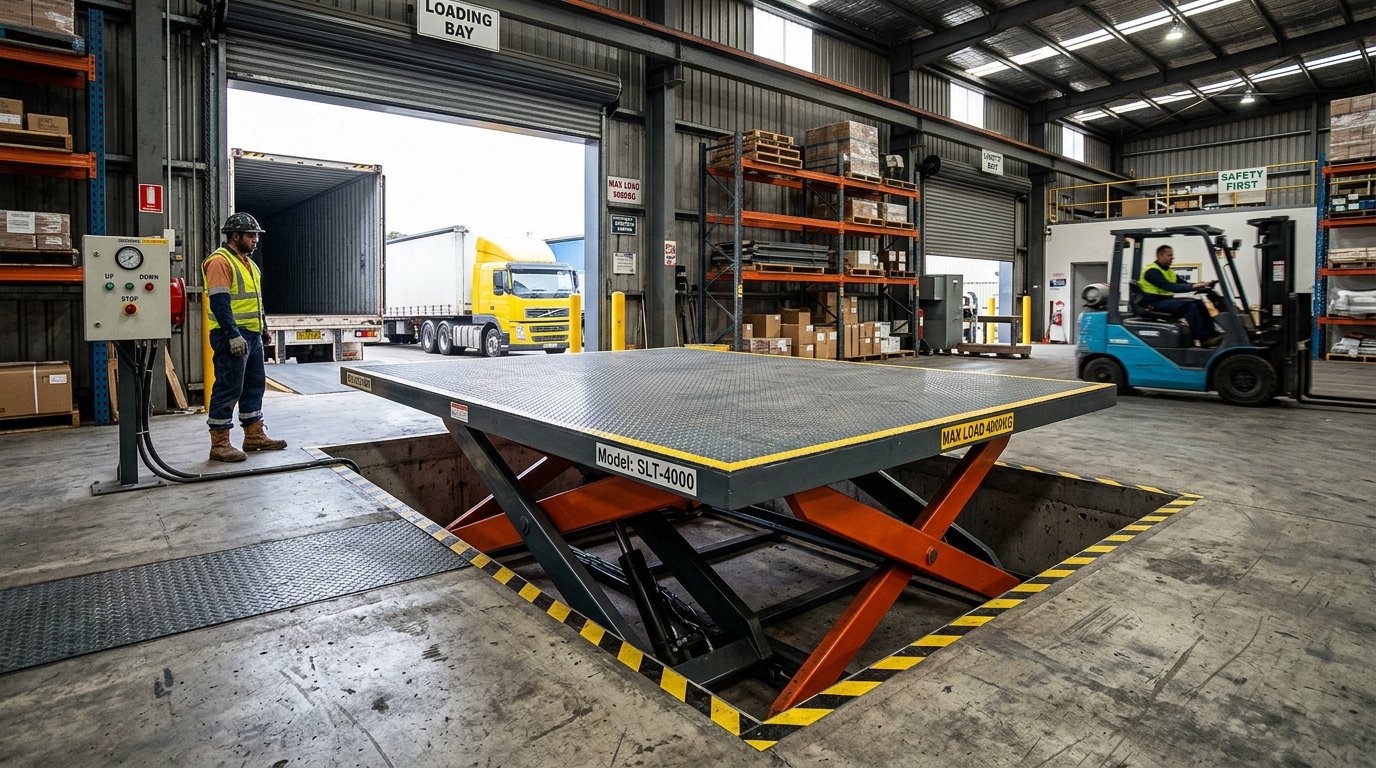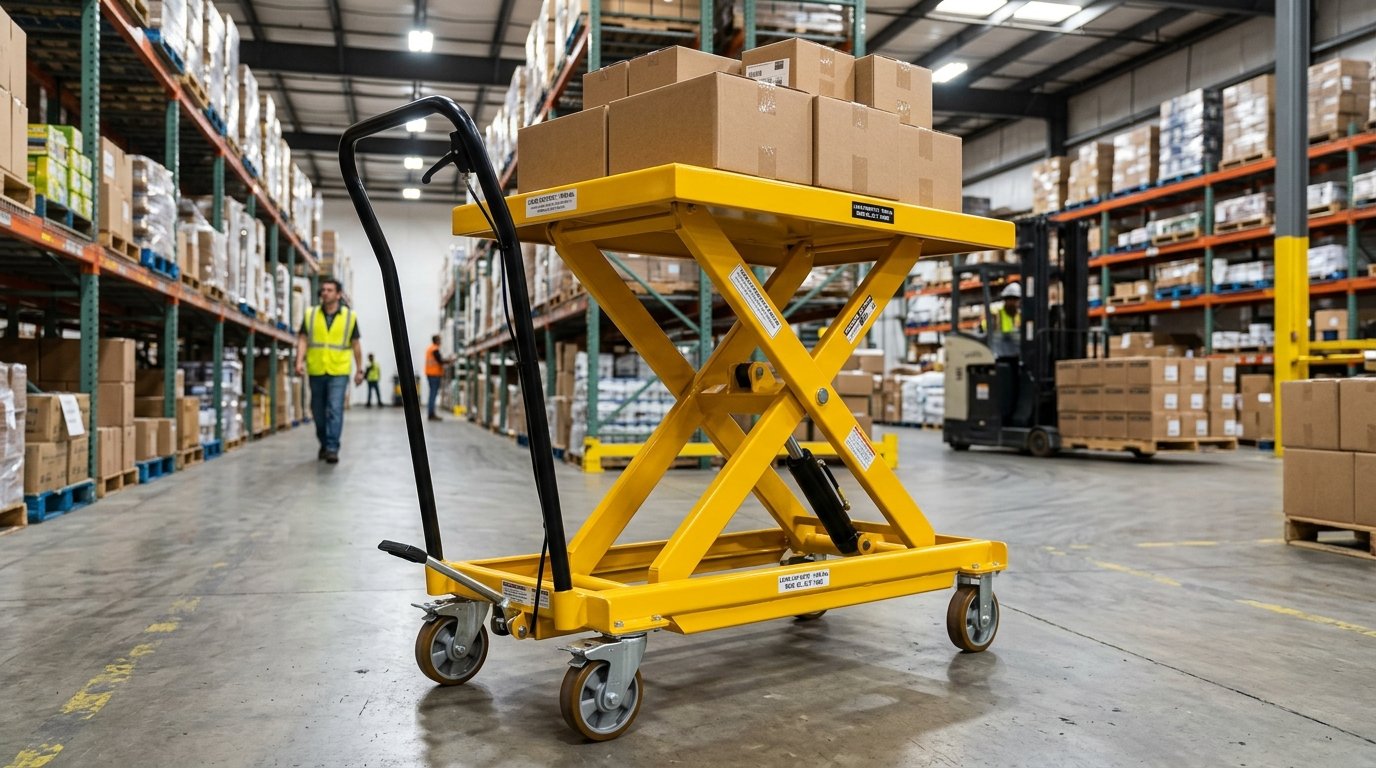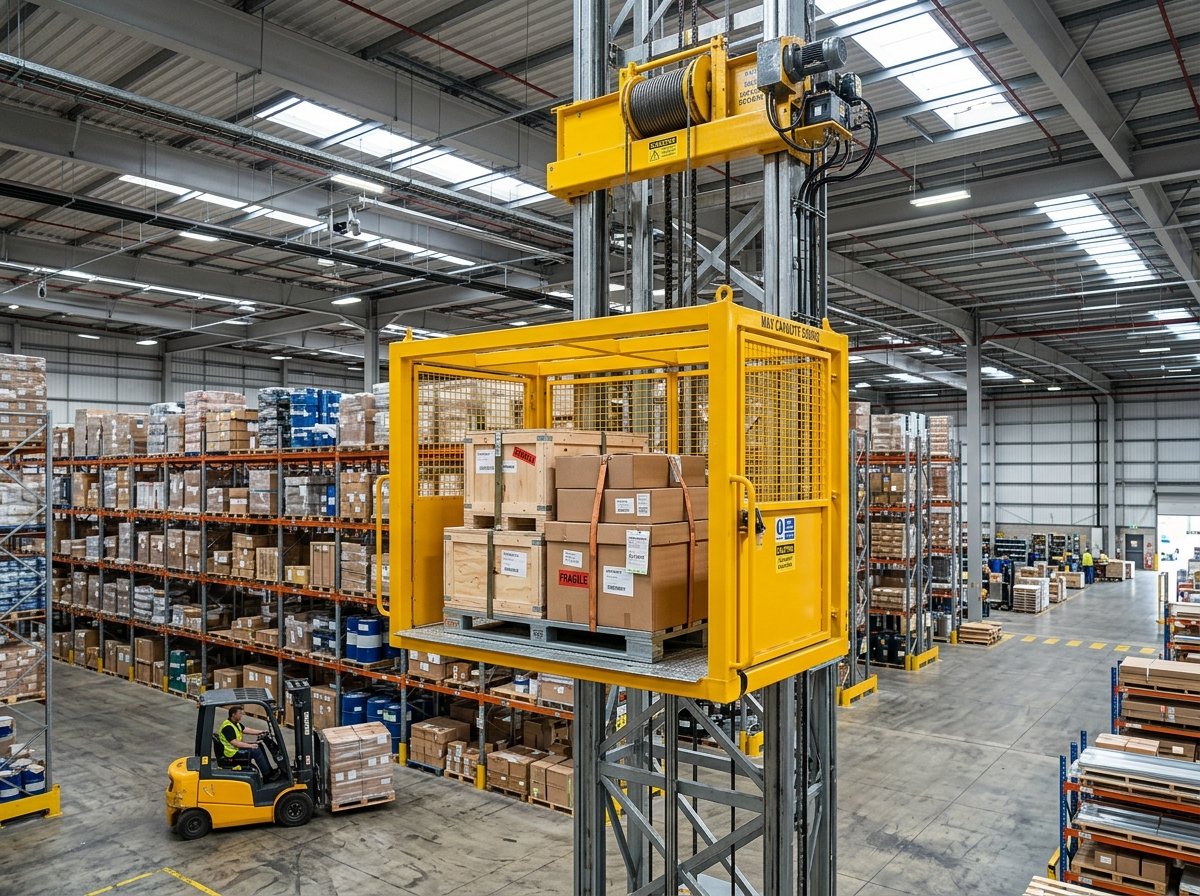
Material handling equipment is no longer just industrial hardware — it's the backbone of India's fast-growing warehousing and logistics ecosystem. Gone are the days when warehouses echoed with manual labor and backbreaking lifts. Today, material handling equipment plays an essential role in industrial operations, driven by demands for efficiency, safety, and sustainability across warehouses, construction sites, and manufacturing facilities.
Material Handling Equipment Market Size and Growth
According to the "Material Handling Equipment Market Outlook" report by Grand View Research, India's material handling equipment market reached $5.4 billion in 2023 and is projected to grow to $8.7 billion by 2030, at a CAGR of 7.2% between 2024 and 2030. This growth is fueled by rapid infrastructure development, smart city expansion, growing logistics parks, and rising e-commerce adoption — all of which are increasing demand for advanced warehousing and logistics solutions. You can read the full market report on Grand View Research's website for detailed market segmentation and forecasts.
Why Material Handling Equipment Adoption Is Rising
Faraz Alam, founder of Atmos Systems, notes that Indian industries are undergoing a dynamic operational shift. The growing adoption of advanced material handling equipment isn't just streamlining warehouse processes — it's strengthening the country's broader economic foundation. By embracing automation, businesses can handle larger volumes with greater safety and efficiency, supporting India's rapid pace of industrialization.
Increased usage of advanced material handling equipment — including cranes, lifting equipment, and automated racking systems — has transformed how freight is stored, transported, and retrieved. These aren't incremental gains; they represent a full-scale transformation in how quickly and safely goods move through the supply chain.
Industrial Growth Fuels Material Handling Equipment Demand
The material handling equipment sector's progress is closely tied to India's overall industrial development. Leading manufacturers in automotive, pharma, and FMCG are building larger facilities and seeking reliable equipment to manage bulk, high-volume production lines.
Rajan Luthra, CFO of Action Construction Equipment (ACE), highlights that the surge in demand for advanced material handling solutions reflects the nation's industrial growth and the need for greater efficiency and safety. Government initiatives like "Make in India," combined with a growing production landscape, have catalysed demand within the sector. ACE's Q4 FY25 results reflect this momentum: volumes in its cranes and material handling segment grew 14.75% YoY, with revenue rising 15.70% YoY.
Sustainability and the Future of Material Handling Equipment
Sustainability standards are shaping the future of material handling equipment operations more and more. Modern material handling equipment is shifting to use energy efficiently and to care for the environment. IoT tools and predictive maintenance make material handling equipment become self‑operational. They keep an eye on the equipment all the time and help with maintenance early which keeps the equipment running and extends its life.
Whats Next for Indias Material Handling Equipment Market
Research shows that India’s material handling equipment market will keep growing. It grows because of urbanization, industrialization and foreign direct investment in manufacturing and retail. As intelligence and machine learning become more common the next chapter of warehouse operations will bring even more autonomy and flexibility. For more on how automation's reshaping Indian industry check out our .
Warehouses are the backbone of a fast‑moving economy. New ideas in material handling equipment are key, to keeping India’s growth strong.
FAQs
1. How big is India's MHE market currently?
- It was valued at $5.4 billion in 2023 and is projected to reach $8.7 billion by 2030, growing at a 7.2% CAGR (2024–2030).
2. What factors are driving growth in the MHE market?
- Infrastructure development, smart city projects, expanding logistics parks, e-commerce growth, and rising manufacturing activity in automotive, pharma, and FMCG sectors are the key drivers.
3. How is technology like IoT and AI shaping this industry?
- IoT and predictive maintenance are turning equipment into self-monitoring systems that boost uptime and extend lifespan, while AI/ML is expected to push warehouses toward greater autonomy going forward.
4. Which industries are adopting MHE the most?
- Automotive, pharma, and FMCG — sectors with high-volume, bulk production needs — are among the biggest adopters of advanced material handling equipment.
5. Government schemes jaise "Make in India" ka is sector par kya impact hai?
- Government ke infrastructure push aur "Make in India" initiative ne demand ko kaafi boost diya hai — jaise ACE ne apni Q4 FY25 mein record revenue growth report ki, jo 15.70% YoY thi.
6. Sustainability is industry mein kitni important hai?
- Bahut important — companies ab energy-efficient aur eco-friendly equipment ko priority de rahi hain, kyunki safety regulations ke saath-saath sustainability standards bhi meet karne hain.