
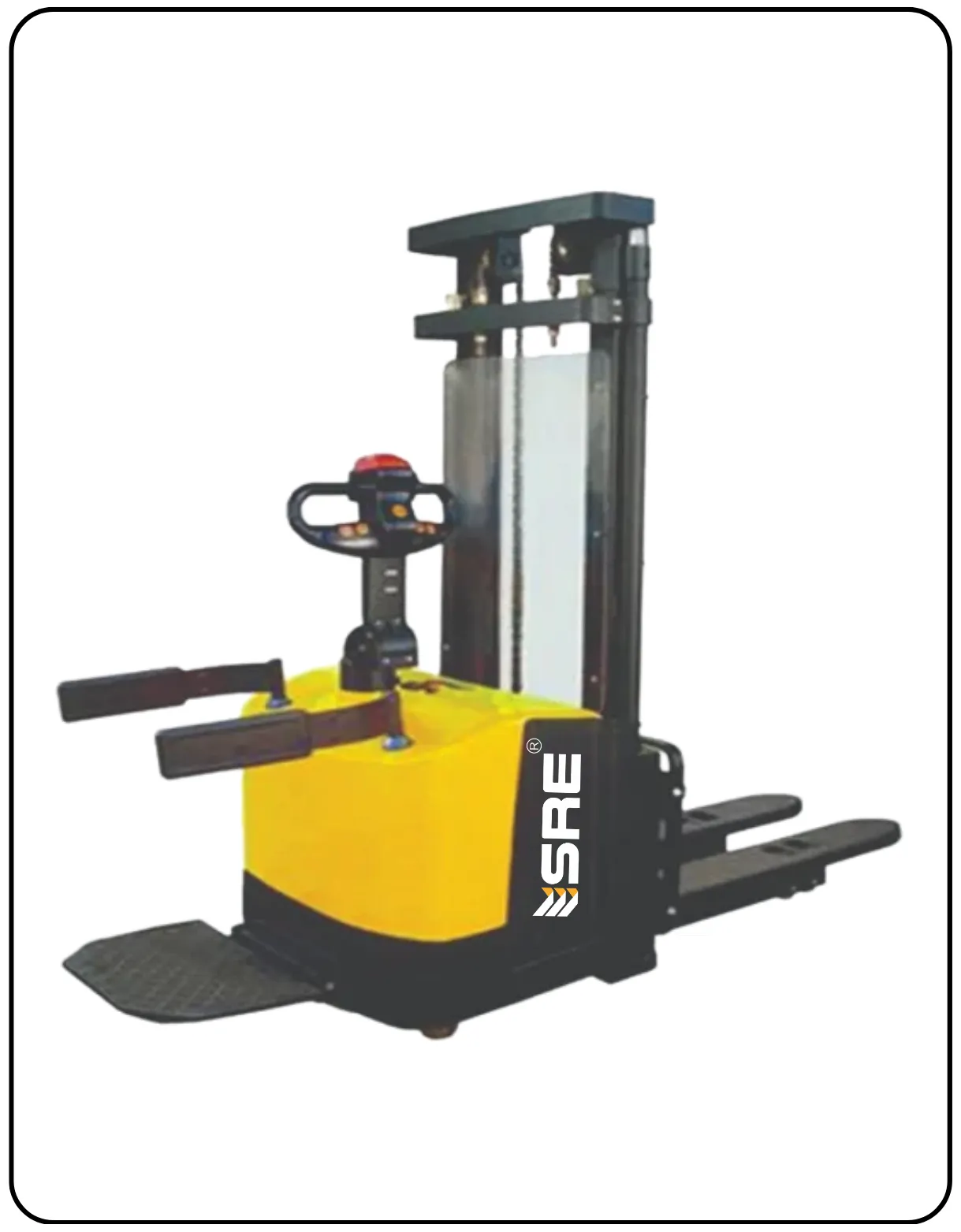
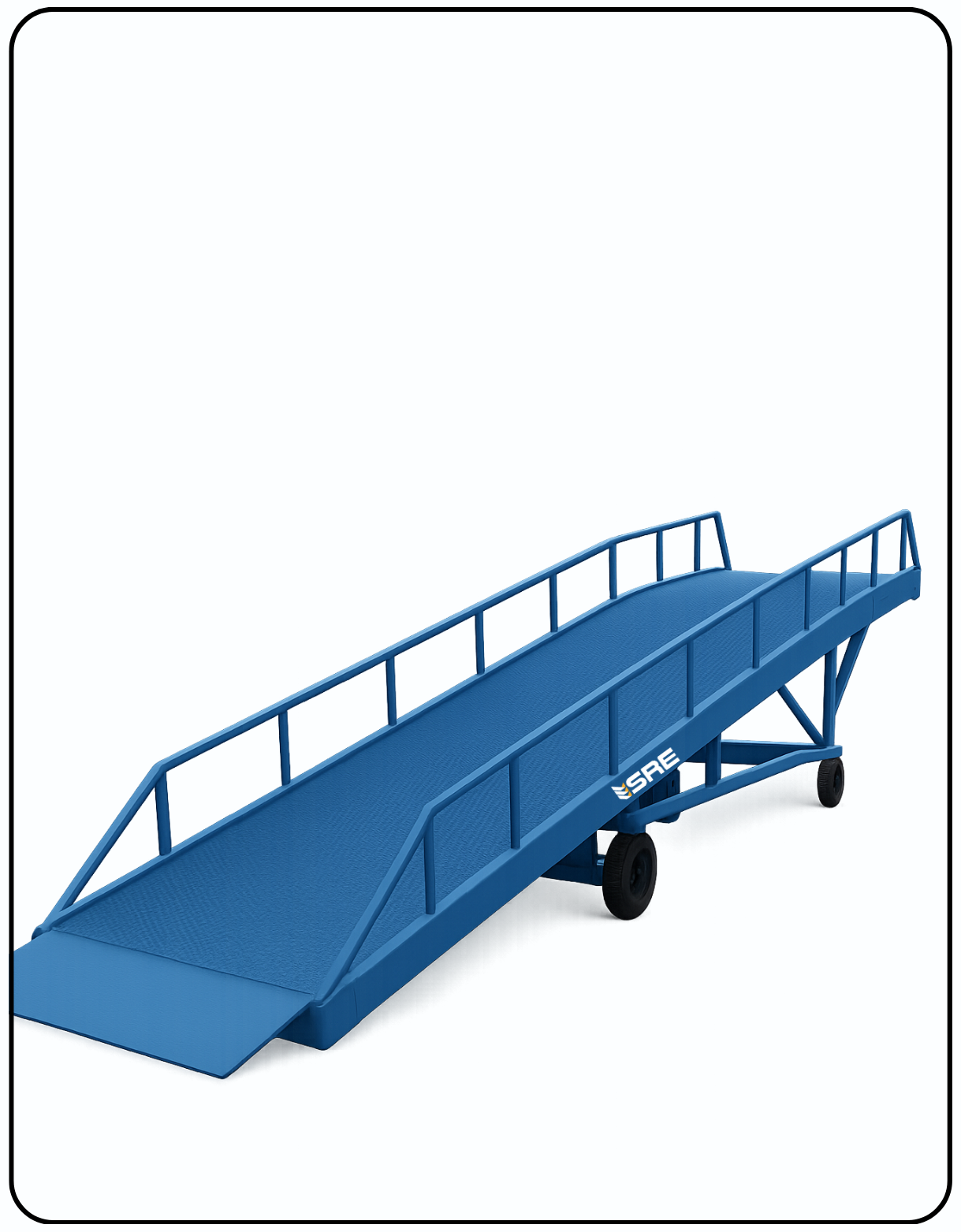
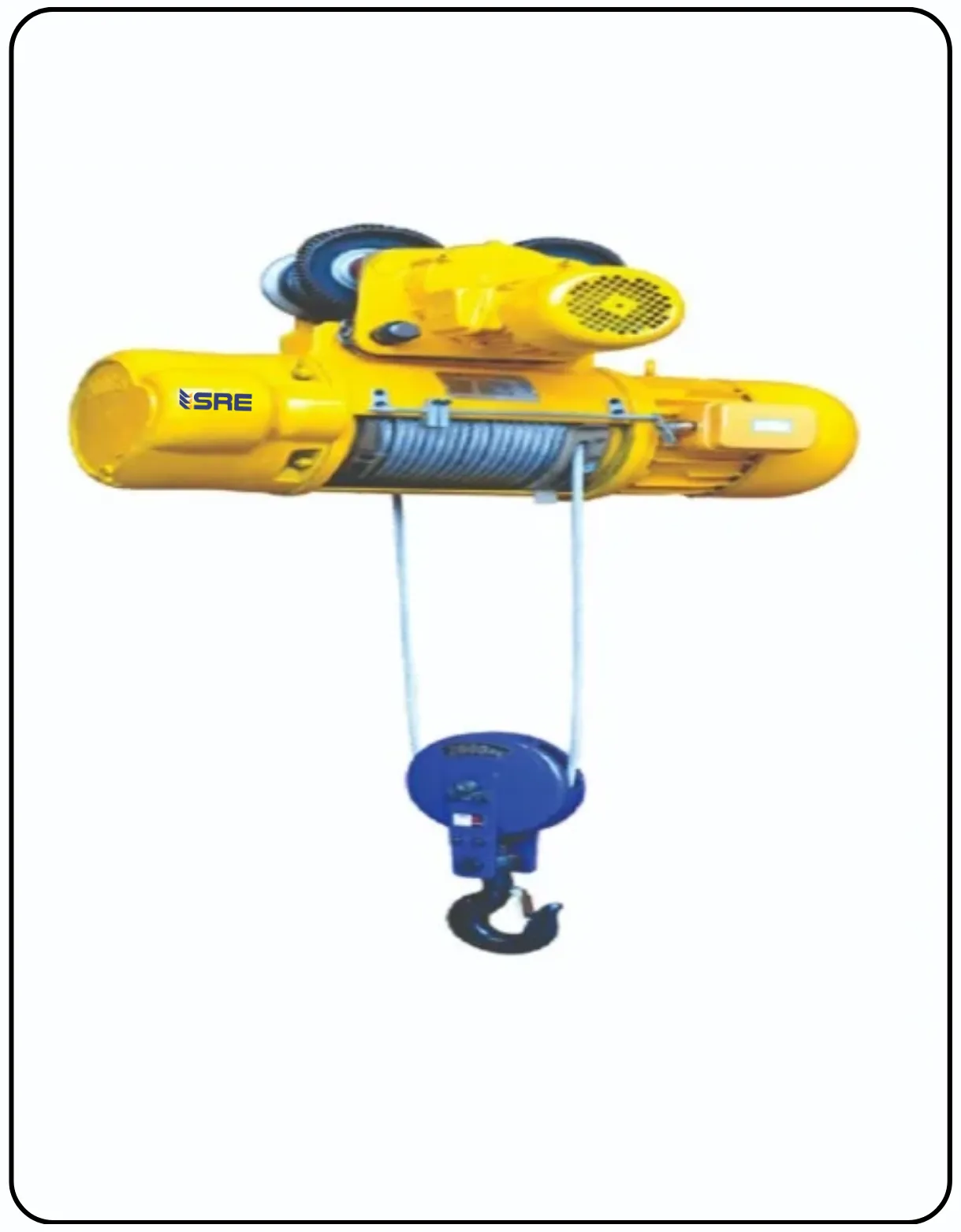
SRE Material Handling Equipment Pvt. Ltd.: Manufacturer, Supplier And Exporter Of Electric Stacker in Gujarat.
SRE Material Handling Equipment Pvt. Ltd., Manufacturer And Supplier Of Electric Stacker in Vadodara.
Our Manufacturing Unit is in Ahmedabad, Vadodara, and Rajkot, Gujarat, India.
Electric Stacker in Vadodara: A Practical Guide for Modern Warehouses and Factories
In daily warehouse and factory operations, the way materials are moved has changed dramatically over the last decade. Faster dispatch cycles, higher inventory turnover, stricter safety norms, and growing pressure on manpower have reshaped internal logistics. Manual handling methods that once worked reasonably well now struggle to keep up with today’s pace and volume.
This is where an Electric Stacker fits naturally into the picture. For warehouses and industrial facilities in and around Vadodara, electric stackers have become a practical, work-ready solution to common operational challenges—lifting, stacking, and transporting palletized loads efficiently while reducing physical strain and safety risks.
This blog is written for warehouse owners, factory managers, operations heads, supply-chain managers, and procurement teams who deal with these realities every day. It focuses on real-world challenges and how electric stackers address them—without hype, exaggeration, or sales talk.
The Changing Needs of Modern Warehouses and Industries
Warehousing and manufacturing operations are no longer static. Facilities in Vadodara now serve faster-moving supply chains, regional distribution hubs, export-oriented units, and just-in-time production lines.
Common pressures include:
- Increased daily dispatch volumes
- Tighter loading and unloading timelines
- Limited floor space due to higher inventory density
- Workforce fatigue and availability issues
In real operational settings, delays often occur not because of poor planning, but because material movement becomes a bottleneck. Repetitive lifting, slow stacking, and inconsistent handling across shifts reduce overall throughput.
Equipment that can move loads efficiently, safely, and consistently has become essential—not optional.
What Is an Electric Stacker?
An electric stacker is a powered material handling machine designed to lift, stack, and transport palletized goods over short to medium distances within warehouses and factories.
In practical terms:
- It replaces manual lifting and hand pallet stacking
- It allows controlled vertical lifting using electric power
- It is compact enough for indoor use and narrow aisles
Unlike forklifts, electric stackers are simpler to operate and better suited for light to medium-duty indoor applications. They are commonly used for rack stacking, loading pallets onto platforms, and internal material transfers.
Why Electric Stacker Is Replacing Traditional and Manual Equipment
For years, warehouses relied on manual pallet trucks, hand stackers, or labor-intensive lifting methods. While these tools still have their place, they struggle under modern operational demands.
Manual methods often lead to:
- Faster worker fatigue
- Inconsistent lifting speed and output
- Higher risk of musculoskeletal injuries
- Slower stacking at higher rack levels
An electric stacker reduces dependency on physical strength. Lifting and lowering are motor-driven, allowing operators to focus on positioning and control rather than exertion. Over a full shift, this translates into steadier productivity and fewer slowdowns.
Productivity Gains in Daily Operations
In real warehouse conditions, small efficiency gains add up quickly.
Electric stackers help by:
- Reducing time per lift and stack cycle
- Allowing faster pallet placement at height
- Maintaining consistent handling speed across shifts
Operators can complete repetitive tasks with less physical effort, leading to stable output even during long working hours. In multi-shift operations, this consistency becomes especially valuable, as performance does not depend heavily on individual physical endurance.
Improved Workplace Safety
Workplace injuries related to manual lifting and improper stacking are a common concern in industrial environments.
Electric stackers contribute to safer operations by:
- Minimizing manual load lifting
- Offering controlled, smooth vertical movement
- Reducing sudden jerks and unstable handling
From a practical standpoint, fewer injuries mean fewer work disruptions, lower absenteeism, and better morale among operators. Safety improvements are not just about compliance—they directly affect operational continuity.
Handling Heavier Loads with Ease
Modern warehouses often handle heavier and denser pallet loads than before. Manual equipment struggles with stability when lifting such loads, especially at height.
Electric stackers are designed with:
- Stable load handling mechanisms
- Controlled lift speeds
- Balanced weight distribution
This allows operators to stack heavier pallets confidently without compromising safety or control. Stability during lifting and lowering is especially critical when working near racks or tight storage areas.
Technology and Operational Efficiency
Electric stackers use battery-powered systems that are well-suited for indoor environments.
Operational advantages include:
- Quiet operation compared to fuel-based equipment
- Reliable power delivery throughout the shift
- Predictable performance with minimal downtime
Modern battery systems are designed for consistent output and ease of charging. For facilities planning daily workflows, this reliability simplifies scheduling and reduces unexpected interruptions.
Space Optimization and Maneuverability
One of the biggest challenges in Vadodara’s industrial facilities is space limitation. Expanding floor area is often not an option.
Electric stackers address this by:
- Operating efficiently in narrow aisles
- Requiring less turning radius than forklifts
- Supporting vertical storage strategies
By enabling safe stacking at height, facilities can increase storage capacity without expanding their footprint. This is a practical way to optimize existing infrastructure.
Cost Efficiency Over Time
While electric stackers involve an upfront investment, their long-term operational value is where they truly stand out.
Cost-related benefits include:
- Reduced labor fatigue and injury-related costs
- Lower maintenance compared to complex machinery
- Improved uptime and predictable performance
Over time, consistent productivity and reduced operational disruptions often outweigh the initial purchase cost. For procurement teams, this long-term perspective is critical when evaluating equipment value.
Sustainability and Compliance
Industrial operations today are increasingly evaluated on environmental responsibility and regulatory compliance.
Electric stackers support this shift by:
- Producing zero on-site emissions
- Reducing noise levels in indoor environments
- Supporting cleaner and safer working conditions
For facilities aiming to align with sustainability goals and compliance standards, electric-powered material handling equipment is a logical step forward.
Integration with Warehouse and Factory Workflow
An electric stacker does not operate in isolation. It becomes part of a larger workflow that includes receiving, storage, production feeding, and dispatch.
In practical settings, electric stackers integrate well with:
- Pallet racking systems
- Packing and sorting areas
- Production line material supply
Their flexibility allows them to adapt to changing layouts and process improvements without major operational disruption.
Training, Ease of Use, and Maintenance
From an operational perspective, ease of use matters as much as performance.
Electric stackers are generally:
- Simple to operate with basic training
- Designed with intuitive controls
- Supported by predictable maintenance schedules
This reduces dependency on highly specialized operators and simplifies workforce planning. Routine maintenance is usually straightforward, helping avoid extended downtime.
Why Choosing a Reliable Manufacturer Matters
The performance of an electric stacker over its lifespan depends heavily on build quality, component reliability, and service support.
A reliable manufacturer typically offers:
- Proven design and manufacturing experience
- Compliance with safety and quality standards
- Accessible service and spare parts support
Companies like SRE MATERIAL HANDLING EQUIPMENT PRIVATE LIMITED focus on providing dependable material handling solutions backed by practical industry experience. More information about their offerings can be found at their official website: https://www.sremhepvtltd.com/
For procurement teams, evaluating supplier reliability is just as important as evaluating equipment specifications.
Conclusion
For warehouses and factories in Vadodara, the shift toward electric stackers reflects a broader move toward safer, more efficient, and more sustainable operations. An Electric Stacker is not about replacing people—it is about supporting them with tools that reduce strain, improve consistency, and keep workflows moving smoothly.
When chosen thoughtfully and integrated properly, electric stackers become a long-term operational asset rather than just another piece of equipment. For decision-makers focused on reliability, safety, and efficiency, they offer a practical solution aligned with modern industrial realities.
If you are reviewing your current material handling setup, it may be the right time to assess whether electric stackers can improve daily operations without disrupting existing workflows.
Key Takeaways
- Productivity: Consistent output across shifts with reduced physical effort
- Safety: Lower risk of manual handling injuries
- Load Handling: Stable and controlled lifting of heavier pallets
- Cost Efficiency: Long-term value through reduced downtime and fatigue
- Industry Trend: Alignment with modern, cleaner, and compliant operations
Trending F&Q
Q1. Is an electric stacker suitable for small warehouses in Vadodara?
Yes. Electric stackers are commonly used in small to medium warehouses due to their compact size and maneuverability.
Q2. How does an electric stacker differ from a forklift?
Electric stackers are simpler, designed mainly for indoor pallet stacking and short-distance movement, while forklifts handle heavier loads and longer distances.
Q3. What kind of maintenance does an electric stacker require?
Routine battery care, periodic inspections, and basic mechanical checks are typically sufficient.
Q4. Can electric stackers be used in narrow aisles?
Yes. Their compact design makes them suitable for narrow aisle operations.
Q5. Are electric stackers energy efficient?
Compared to fuel-based equipment, electric stackers are energy efficient and suitable for clean indoor operations.
Looking to improve your material handling efficiency or need expert guidance? Call +91 75728 19958 or email sremhepvtltd2025@gmail.com