
SRE Material Handling Equipment Pvt. Ltd.: Manufacturer, Supplier And Exporter Of Hydraulic Stacker in Gujarat.
SRE Material Handling Equipment Pvt. Ltd., Manufacturer And Supplier Of Hydraulic Stacker in Vadodara.
Our Manufacturing Unit is in Ahmedabad, Vadodara, and Rajkot, Gujarat, India.
Hydraulic Stacker in Vadodara: A Practical Solution for Modern Warehouse Challenges
Introduction
Warehouse and factory operations in Vadodara have changed significantly over the last decade. Faster dispatch cycles, higher inventory volumes, and tighter delivery commitments are now part of everyday industrial life. Along with this growth comes pressure—pressure to move goods safely, reduce turnaround time, and protect the workforce from fatigue and injury.
In daily warehouse operations, many managers still face bottlenecks caused by manual handling or outdated lifting equipment. This is where a Hydraulic Stacker fits naturally into the workflow. It is not a flashy upgrade, but a practical, dependable solution that addresses real operational problems without overcomplicating processes.
The Changing Needs of Modern Warehouses / Industries
Warehouses today are no longer just storage spaces. They are active operational hubs.
Rising SKU counts, vertical storage systems, and just-in-time dispatch models demand faster internal movement of goods. Deadlines are tighter, and even small delays in pallet movement can disrupt the entire supply chain.
Managers frequently report challenges such as:
- Congestion in aisles during peak hours
- Overdependence on manual labor for lifting
- Inconsistent productivity across shifts
- Safety concerns related to repetitive lifting
These realities push operations to look for equipment that balances efficiency with control, rather than brute force or overautomation.
What Is a Hydraulic Stacker?
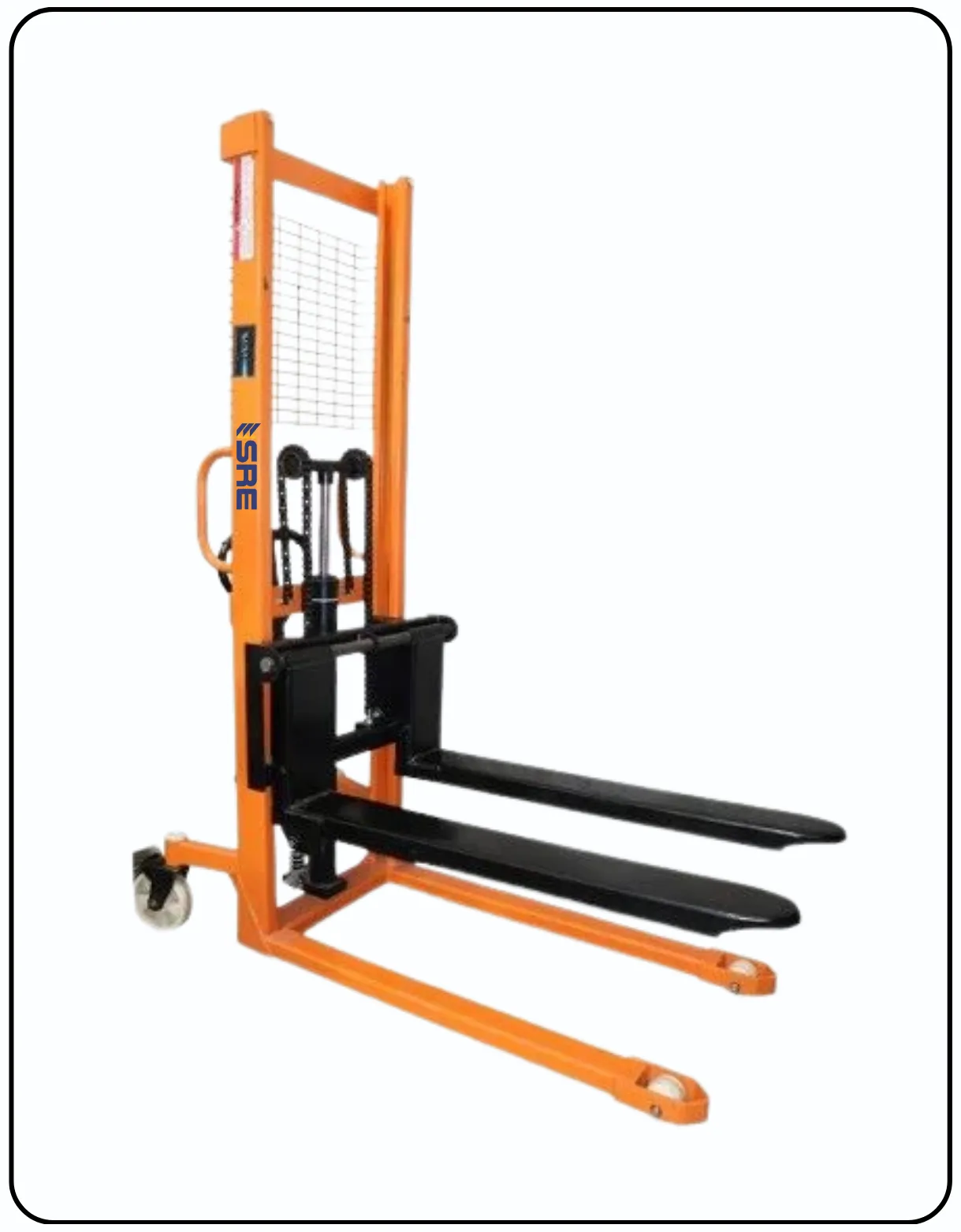
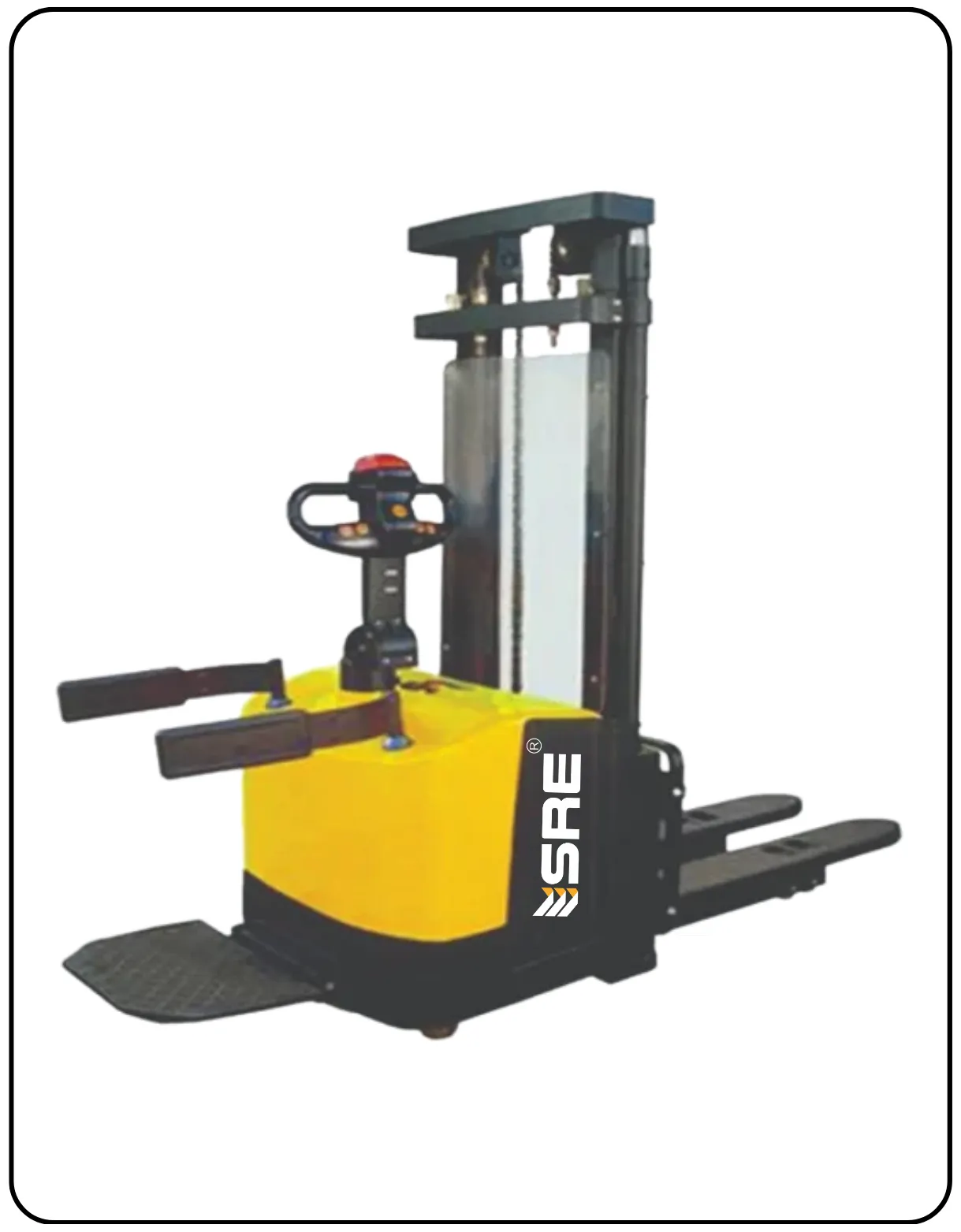
A Hydraulic Stacker is best understood as a controlled lifting and stacking tool designed for everyday industrial use.
In simple terms, it allows operators to lift, move, and place palletized or unitized loads at height using hydraulic force instead of physical strength. It sits between manual pallet handling and heavy forklifts—offering enough lifting capability for most indoor warehouse tasks without the complexity of large machinery.
It is commonly used for stacking goods onto racks, loading machines, or organizing materials within a defined workspace.
Why Hydraulic Stacker Is Replacing Traditional / Manual Equipment
Manual trolleys and hand-lifting methods rely heavily on human effort. Over time, this leads to fatigue, slower movement, and higher error rates.
In contrast, a Hydraulic Stacker reduces dependence on physical strength and introduces consistency into material handling. Operators can focus on positioning and accuracy rather than exertion.
From an operational perspective, this shift improves predictability. Tasks take roughly the same amount of time regardless of who is operating the equipment, which helps supervisors plan shifts and workloads more effectively.
Productivity Gains in Daily Operations
Small time savings add up quickly in a warehouse environment.
Using a hydraulic stacker:
- Loading and unloading cycles become shorter
- Repositioning materials requires fewer pauses
- Goods can be stacked vertically without delays
Across multiple shifts, this leads to more consistent output. Managers often notice fewer slowdowns during late shifts when physical fatigue usually sets in with manual methods.
Improved Workplace Safety
Safety is not only about compliance—it directly affects uptime.
Manual lifting increases the risk of back strain, slips, and sudden load shifts. A hydraulic stacker introduces controlled vertical and horizontal movement, reducing sudden stress on the operator’s body.
With better balance and predictable motion, incidents related to uneven loads or rushed handling are significantly minimized. Over time, this contributes to fewer lost workdays and smoother operations.
Handling Heavier Loads with Ease
Modern warehouses handle denser and heavier goods than before. Packaging has improved, but load weight has increased.
A hydraulic stacker is designed to manage these loads with stability. The wide base, guided lifting mechanism, and controlled descent ensure that heavier pallets can be handled without compromising safety or precision.
This is especially valuable in factories where raw materials or finished goods need frequent repositioning.
Technology & Operational Efficiency
While simple in concept, hydraulic stackers benefit from robust mechanical systems.
Hydraulic lifting mechanisms are known for reliability. They require minimal power input and deliver a steady lifting force. Fewer electronic components mean fewer unexpected failures.
From an operations standpoint, this translates into higher uptime and predictable performance—two things warehouse managers value more than advanced but fragile technology.
Space Optimization & Maneuverability
Space is always at a premium.
Hydraulic stackers are designed for compact operation. Their narrow turning radius allows movement in tight aisles and confined production areas. This makes them suitable for facilities where forklifts may be impractical or excessive.
By enabling vertical stacking, they also help utilize warehouse height more effectively, reducing the need for horizontal expansion.
Cost Efficiency Over Time
Cost efficiency is not just about purchase price.
Over the long term, hydraulic stackers help reduce:
- Injury-related costs
- Workforce fatigue and turnover
- Equipment downtime
They also minimize the need for multiple handling tools. When evaluated over years of use, the return comes from operational stability rather than short-term savings.
Sustainability & Compliance
Industrial buyers today are increasingly aware of sustainability and compliance.
Hydraulic stackers support cleaner operations by reducing excessive power consumption and emissions associated with larger machines. Their simple design aligns well with compliance-focused environments where predictable performance and documented safety practices matter.
They fit naturally into facilities aiming to meet internal audits and external regulatory expectations.
Integration with Warehouse / Factory Workflow
One of the strengths of a hydraulic stacker is how easily it integrates.
It works alongside conveyors, pallet racking systems, production lines, and dispatch areas without requiring workflow redesign. Operators can adopt it quickly, and managers do not need to restructure layouts.
This flexibility is particularly useful in growing facilities where layouts evolve.
Training, Ease of Use & Maintenance
From a training perspective, hydraulic stackers are straightforward.
Operators usually require only basic instruction to handle lifting, lowering, and maneuvering safely. Maintenance is equally predictable—routine checks, hydraulic fluid inspection, and mechanical wear monitoring.
This simplicity reduces dependence on specialized technicians and keeps maintenance planning manageable.
Why Choosing a Reliable Manufacturer Matters
Not all material handling equipment is built with the same operational understanding.
A reliable manufacturer brings experience, tested designs, and service support that goes beyond the sale. Factors such as build quality, safety compliance, spare availability, and after-sales assistance directly affect long-term usability.
Companies like SRE MATERIAL HANDLING EQUIPMENT PRIVATE LIMITED focus on supplying equipment that aligns with real industrial conditions rather than ideal scenarios. For more details, you can explore their offerings at https://www.sremhepvtltd.com/
Conclusion
In practical terms, a Hydraulic Stacker is not about modernization for its own sake. It is about solving everyday handling challenges safely and efficiently.
For warehouses and factories in Vadodara dealing with rising volumes and operational pressure, this equipment offers a balanced approach—improving productivity without adding unnecessary complexity. The right stacker, chosen from a reliable source, becomes a long-term operational asset rather than just another machine.
Key Takeaways
- Productivity: Faster, more consistent material movement across shifts
- Safety: Reduced injury risk through controlled lifting and handling
- Load Handling: Stable and efficient movement of heavier goods
- Cost Efficiency: Long-term operational savings beyond upfront cost
- Industry Trend: Shift from manual effort to controlled, reliable handling solutions
Trending FAQs
Q1. Where is a hydraulic stacker most commonly used?
In warehouses, factories, and assembly units for stacking, loading, and internal material movement.
Q2. Is a hydraulic stacker suitable for small warehouses?
Yes. Its compact design makes it ideal for limited spaces and narrow aisles.
Q3. How does it improve worker safety?
By reducing manual lifting and providing controlled load movement.
Q4. What should buyers check before purchasing?
Load capacity, build quality, service support, and compliance standards.
Q5. How often does a hydraulic stacker need maintenance?
Routine inspections and basic servicing are usually sufficient for reliable operation.
Have questions about our Hydraulic Stackers or other material handling solutions? Call +91 75728 19958 or email sremhepvtltd2025@gmail.com