
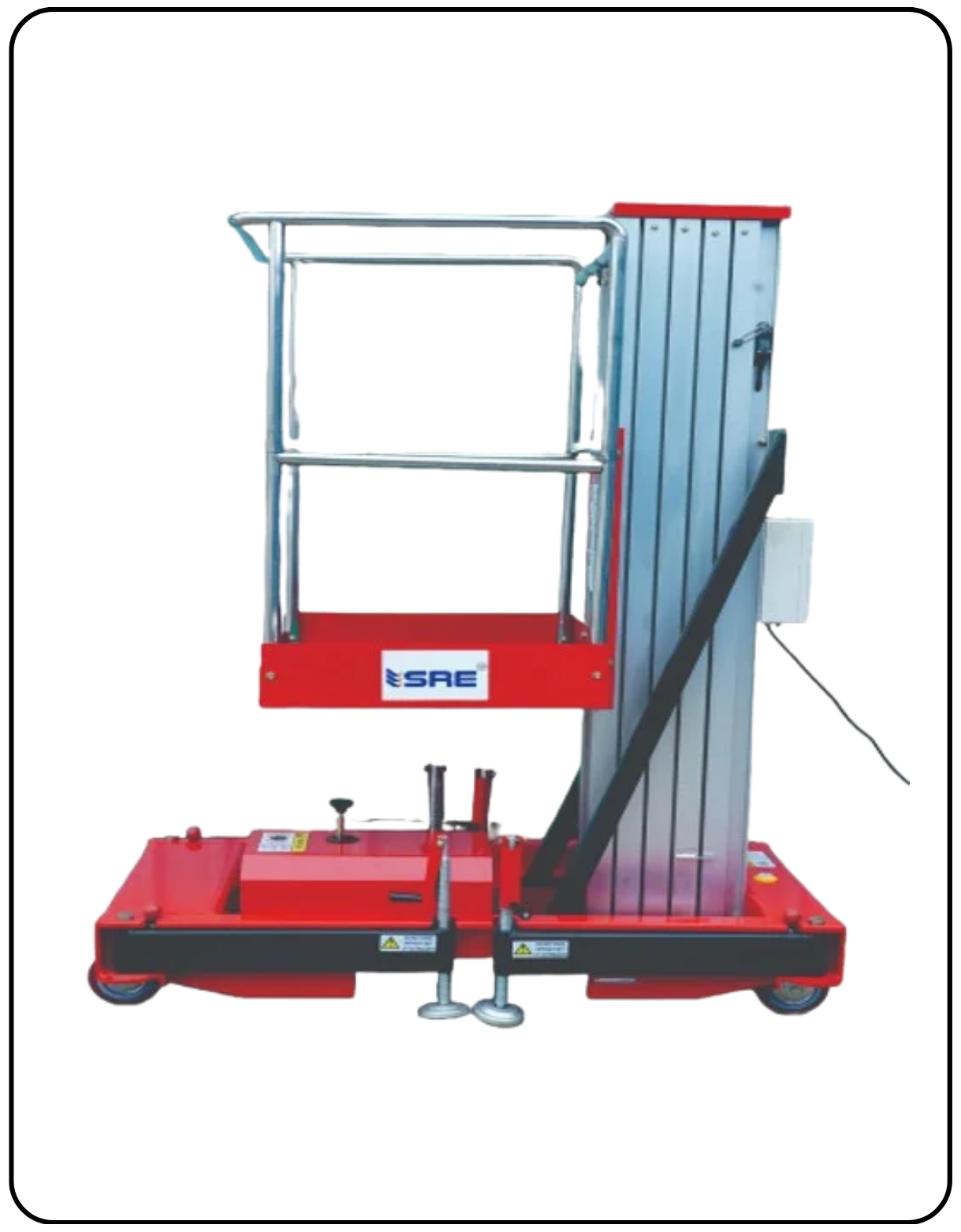
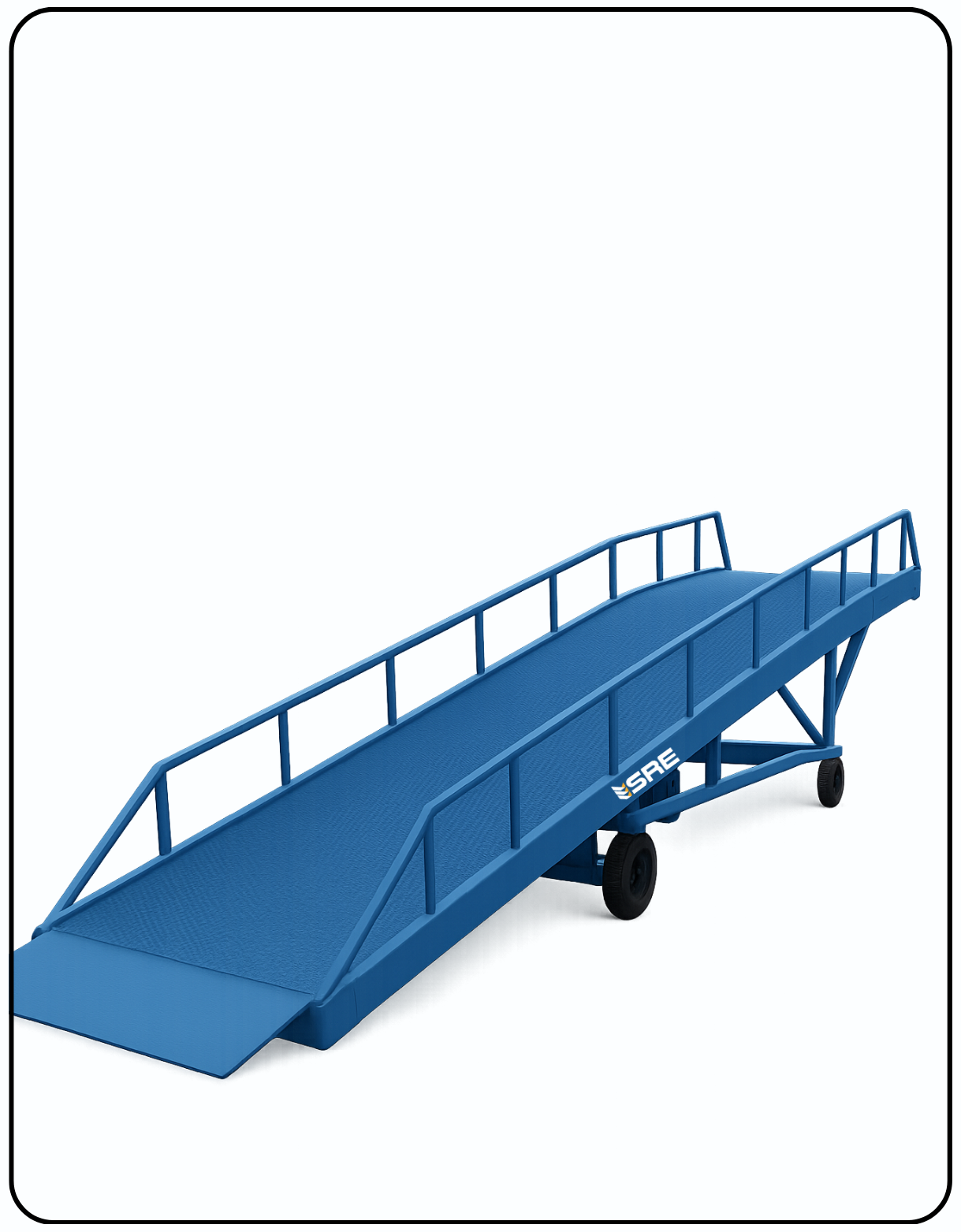
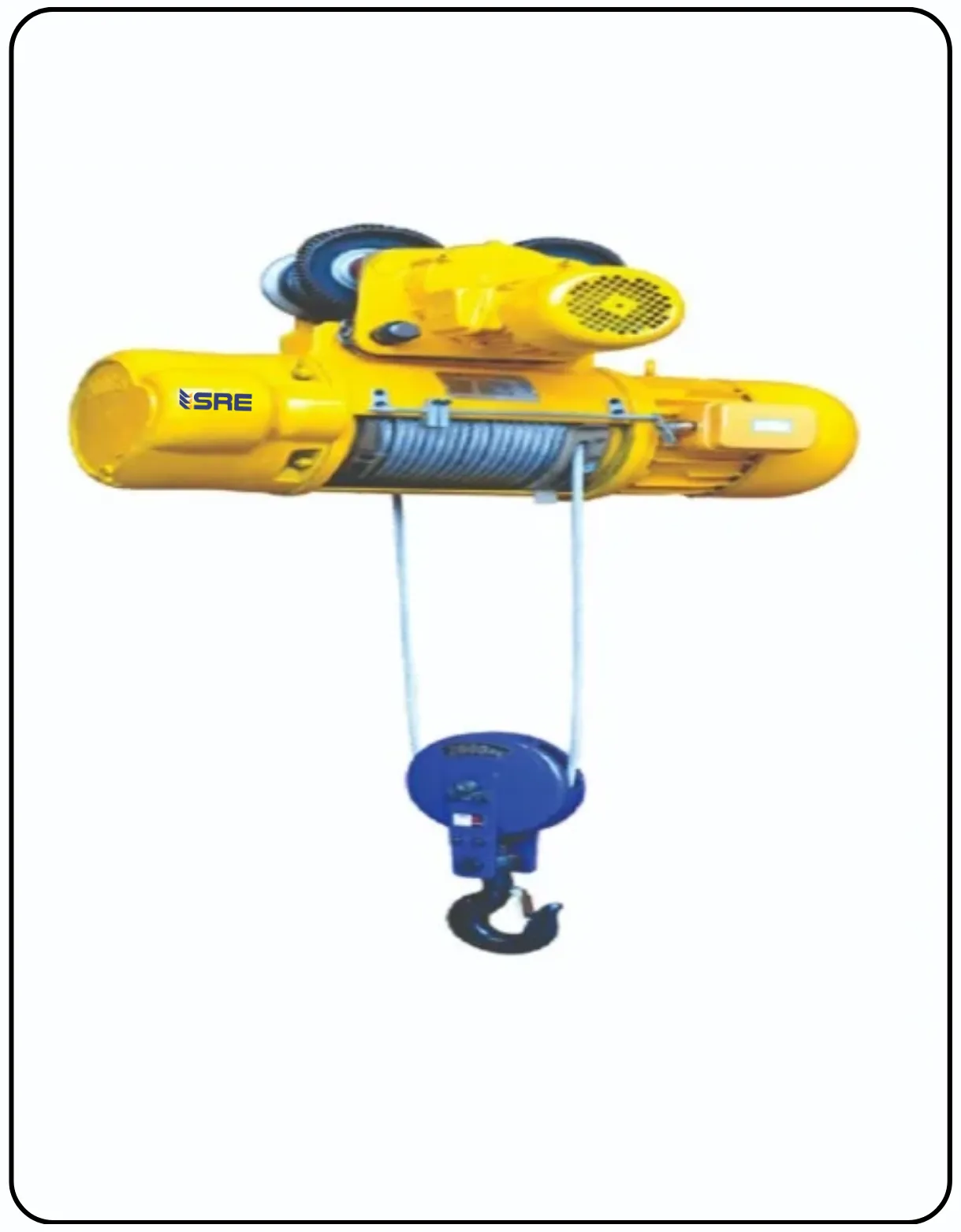
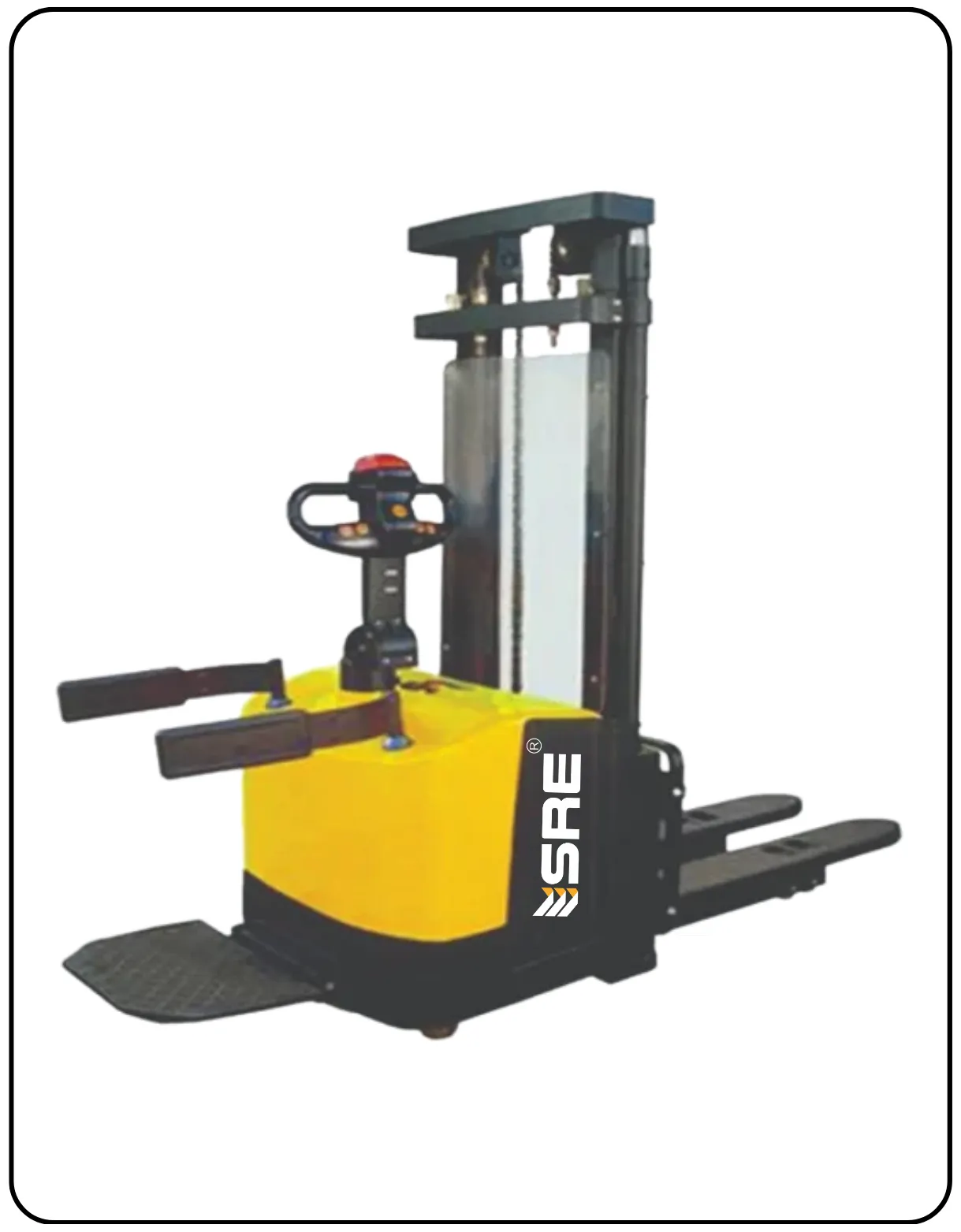
SRE Material Handling Equipment Pvt. Ltd.: Manufacturer, Supplier And Exporter Of Aerial Work Platform in Gujarat.
SRE Material Handling Equipment Pvt. Ltd., Manufacturer And Supplier Of Aerial Work Platform in Ahmedabad.
Our Manufacturing Unit is in Ahmedabad, Vadodara, and Rajkot, Gujarat, India.
Aerial Work Platform in Ahmedabad: Practical Access Solutions for Modern Industrial Operations
In today’s industrial and warehouse environments, work at height is no longer an occasional task. In daily warehouse operations, teams are required to inspect lighting, maintain racking systems, install signage, service machinery, manage inventory at elevated levels, and carry out repairs—all while meeting tight timelines and safety expectations.
As operations scale and facilities grow vertically, traditional methods like ladders, scaffolding, or makeshift platforms are proving inefficient, unsafe, and inconsistent. This is where an Aerial Work Platform becomes a practical and reliable solution for industries across Ahmedabad and surrounding industrial zones.
Rather than being a luxury machine, an Aerial Work Platform has become a necessity for warehouses, factories, logistics hubs, and infrastructure facilities aiming to balance speed, safety, and operational control.
The Changing Needs of Modern Warehouses and Industries
Industrial facilities in Ahmedabad are evolving rapidly. Warehouses are becoming taller to maximize storage within limited land availability. Factories are integrating complex machinery, overhead utilities, and automated systems.
With these changes come real operational challenges:
- Higher working heights daily
- Pressure to reduce downtime during maintenance
- Limited skilled labour availability
- Increasing focus on worker safety and compliance
- Tight delivery schedules and productivity targets
In real-life workflows, managers often struggle with coordinating manual access equipment, pausing operations, and ensuring worker safety at height. These challenges have pushed decision-makers to adopt smarter, mechanized access solutions that fit seamlessly into ongoing operations.
What Is an Aerial Work Platform?
An Aerial Work Platform is a powered access machine designed to lift personnel, tools, and sometimes light materials safely to elevated work areas.
Unlike ladders or scaffolding, it offers a stable, controlled working surface with guardrails, precise height adjustment, and smooth movement. In practical terms, it allows technicians, electricians, and maintenance staff to reach elevated zones efficiently without assembling temporary structures or compromising safety.
It is not about height alone—it is about controlled access, repeatability, and operational confidence.
Why Aerial Work Platform Is Replacing Traditional and Manual Equipment
Manual access methods have limitations that become more visible as operations scale:
- Ladders increase fatigue and risk during repeated use
- Scaffolding requires time, manpower, and floor space
- Temporary platforms disrupt workflow and increase downtime
An Aerial Work Platform addresses these issues directly. Operators can position the platform precisely, work comfortably for longer durations, and move between tasks without dismantling equipment.
From an operations perspective, this consistency reduces dependency on individual worker strength and minimizes variation in task completion time across shifts.
Productivity Gains in Daily Operations
In high-throughput environments, small delays add up quickly. An Aerial Work Platform helps improve productivity in several practical ways:
- Faster access to elevated areas
- Reduced setup and dismantling time
- Smooth vertical and horizontal movement
- Ability to complete multiple tasks in a single shift
In facilities running multiple shifts, consistent output matters more than peak performance. Mechanized platforms ensure similar productivity levels regardless of operator fatigue, making planning and scheduling more predictable.
Improved Workplace Safety
Work at height remains one of the leading causes of industrial injuries. Safety improvements are not just about compliance—they directly impact uptime, morale, and cost control.
An Aerial Work Platform improves safety through:
- Guarded work platforms with a stable footing
- Controlled ascent and descent
- Reduced manual climbing and balancing
- Better posture and ergonomic working positions
In practical terms, fewer slips, strains, and falls mean fewer interruptions, less paperwork, and a safer working environment that workers trust.
Handling Heavier Loads with Ease
Modern warehouses and factories are not just lifting people—they are lifting tools, components, and service equipment. Manual access methods struggle to support this consistently.
An Aerial Work Platform offers:
- Stable load-bearing platforms
- Controlled movement under load
- Better balance compared to ladders or makeshift solutions
This stability allows technicians to focus on the task rather than worrying about footing or balance, improving both efficiency and work quality.
Technology and Operational Efficiency
Today’s platforms are designed with industrial uptime in mind. Battery-powered and electrically driven systems offer:
- Quiet operation for indoor use
- Zero on-site emissions
- Reliable power delivery across shifts
From an operations head’s viewpoint, predictable performance and low failure rates matter more than advanced features. Modern Aerial Work Platforms are built to operate consistently in demanding environments with minimal interruptions.
Space Optimization and Maneuverability
Industrial space is expensive, especially in dense zones around Ahmedabad. Equipment that consumes excessive floor area quickly becomes a bottleneck.
Most Aerial Work Platforms are designed for:
- Compact footprints
- Narrow aisle navigation
- Easy positioning in confined spaces
This makes them suitable for warehouses with tight layouts, production lines with limited clearance, and facilities where operations cannot stop for access-related activities.
Cost Efficiency Over Time
While the initial investment may seem higher than manual tools, the long-term cost picture tells a different story.
Over time, an Aerial Work Platform helps reduce:
- Injury-related expenses
- Labour fatigue and turnover
- Downtime during maintenance
- Repeated setup costs
For procurement teams, the value lies in predictable operating costs and reduced hidden expenses rather than the upfront price alone.
Sustainability and Compliance
Industrial buyers are increasingly aligning equipment decisions with sustainability goals and regulatory expectations.
Electric and battery-operated Aerial Work Platforms support:
- Cleaner indoor operations
- Lower noise pollution
- Reduced dependence on fossil fuels
They also help facilities demonstrate a proactive safety and compliance mindset, which is becoming important for audits, certifications, and client expectations.
Integration with Warehouse and Factory Workflows
An Aerial Work Platform does not operate in isolation. Its real value comes from how easily it integrates into existing systems.
In practice, it fits into:
- Preventive maintenance schedules
- Inventory inspection routines
- Facility management workflows
- Shutdown and turnaround planning
Because the equipment is mobile and quick to deploy, it supports continuous operations rather than disrupting them.
Training, Ease of Use, and Maintenance
Ease of adoption is critical. Most modern platforms are designed for intuitive operation with basic training.
Key operational benefits include:
- Simple control layouts
- Short learning curves for operators
- Predictable maintenance intervals
- Easy access to service points
This reduces dependency on specialized operators and simplifies workforce planning.
Why Choosing a Reliable Manufacturer Matters
Not all equipment performs equally in real industrial conditions. Beyond specifications, reliability, service support, and compliance play a major role.
A dependable manufacturer focuses on:
- Consistent build quality
- Availability of spare parts
- After-sales service responsiveness
- Adherence to safety and performance standards
Companies like SRE MATERIAL HANDLING EQUIPMENT PRIVATE LIMITED work closely with industrial clients to understand actual usage conditions and provide access solutions that perform reliably over time. More details can be explored at their official website: https://www.sremhepvtltd.com/
Conclusion
An Aerial Work Platform in Ahmedabad is no longer just a convenience—it is a strategic tool for safer, more efficient industrial operations. As warehouses and factories grow taller, faster, and more complex, controlled access at height becomes critical.
For decision-makers, the focus should be on long-term operational value: safety, consistency, reduced downtime, and ease of integration. Choosing the right platform and a reliable manufacturing partner can significantly improve how work at height is managed across facilities.
If your operations involve frequent elevated tasks, reviewing your current access methods may be the first step toward safer and more productive workflows.
Key Takeaways
- Productivity: Faster access and consistent output across shifts
- Safety: Reduced risk of injuries and safer working conditions
- Load Handling: Stable platforms for personnel and tools
- Cost Efficiency: Lower long-term operational and downtime costs
- Industry Trend: Shift toward mechanized, compliant access solutions
Trending FAQs
Q1. Is an Aerial Work Platform suitable for indoor warehouse use?
Yes. Electric and battery-operated platforms are commonly used indoors due to low noise and zero emissions.
Q2. How much training is required to operate an Aerial Work Platform?
Basic operational training is usually sufficient. Most platforms are designed for ease of use with standard safety protocols.
Q3. Can it be used in narrow aisles?
Many models are specifically designed for compact spaces and narrow aisle operations.
Q4. What maintenance does an Aerial Work Platform require?
Routine inspections, battery checks, and scheduled servicing ensure reliable long-term performance.
Q5. How does it improve safety compared to ladders?
It provides a stable, guarded working surface with controlled movement, reducing fall risks and operator fatigue.
Contact SRE MATERIAL HANDLING for safe, efficient Aerial Work Platform solutions today. Call +91 75728 19958 or email sremhepvtltd2025@gmail.com